Understanding the Conflict Between Gender Ideology and Gender-Critical Views
In recent years, Australia has witnessed a growing number of complaints, tribunal proceedings, workplace disputes, regulatory actions, and court cases involving conflict between gender ideology and gender-critical beliefs.
These disputes are not simply disagreements about personal identity. They raise broader questions about how society defines sex, balances competing rights, protects vulnerable groups, and accommodates differing beliefs in a democratic society.
What is Gender Ideology?
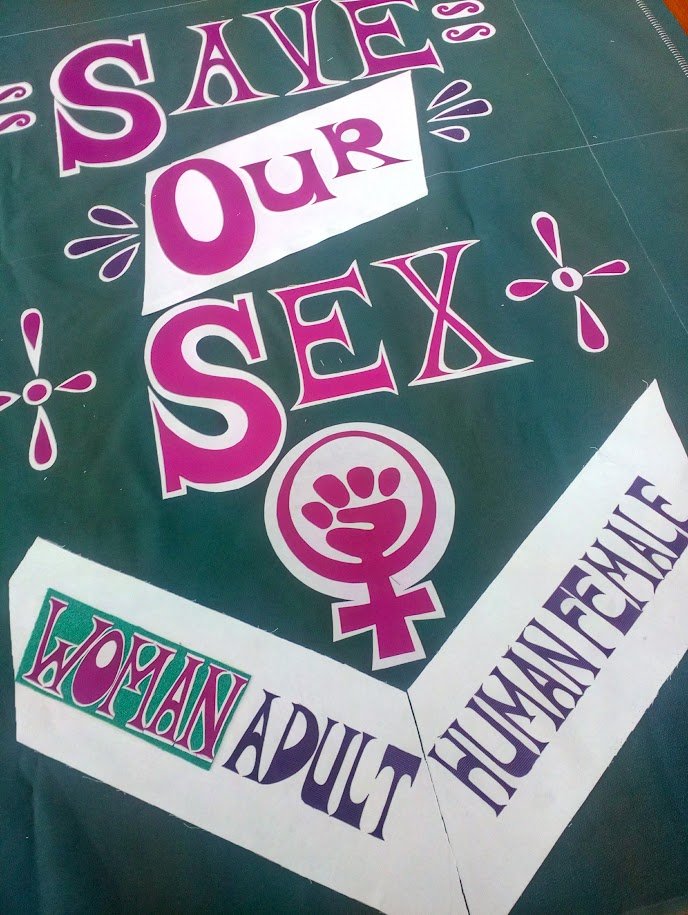
Gender ideology is a term commonly used by gender-critical campaigners to describe a belief system that places gender identity — a person’s internal sense of being male, female, both, neither, or another identity — above biological sex in law, policy, and social organisation.
Key ideas commonly associated with gender identity-based approaches include:
- Gender identity is innate and may differ from biological sex.
- Self-identification should influence access to legal recognition, language, and social participation.
- Institutions should affirm a person’s stated gender identity.
- Policies and services should accommodate gender identity across areas such as education, employment, sport, healthcare, and public administration.
- Medical transition — including social transition, puberty blockers, cross-sex hormones, and surgery — may be offered as treatment for gender dysphoria.
Supporters argue these approaches promote dignity, inclusion, and improved outcomes for transgender-identifying individuals while critics argue these approaches can conflict with sex-based rights, child safeguarding, medical caution, freedom of belief, and freedom of association.
What are Gender-Critical Views?
Gender-critical beliefs hold that:
- Biological sex is real, binary, and cannot be changed.
- Sex remains an important legal and social category in areas such as women’s safety, fairness in sport, medicine, and same-sex attraction.
- Gender identity is a subjective internal belief and should not automatically override sex-based rights.
- Children experiencing gender distress should be approached with caution and evidence-based care.
- Individuals should not be compelled by law or policy to affirm beliefs they do not hold.
Supporters describe these views as protecting material reality, safeguarding, and civil liberties while critics argue some gender-critical positions can contribute to exclusion or stigma toward transgender-identifying people.

The Core Conflict
When gender ideology receives strong legal protection through anti-discrimination laws, expressing gender-critical views — or attempting to uphold single-sex spaces and sex-based policies — can result in formal complaints, investigations, workplace discipline, suspensions, or legal action.
Many argue this has created a chilling effect on free speech, freedom of association, political beliefs, philosophical beliefs, and religious beliefs. Critics contend that these laws are often applied in a one-sided manner.
This blog examines some of the most prominent Australian cases where individuals and groups faced consequences for holding or acting on gender-critical beliefs.
1. Lesbian Rights & Freedom of Association
Questions around sex, sexual orientation, and freedom of association have become one of the earliest and most persistent areas of conflict between gender identity protections and gender-critical views.
O’Keefe v Sappho’s Party Inc (South Australia, 2005–2009)
Sappho’s Party was a lesbian social group in South Australia that organised private events for biological females. Tracie O’Keefe, a trans-identified male, was refused entry to one of the events and lodged a discrimination complaint.
In 2009, the South Australian Equal Opportunity Tribunal ruled in favour of Sappho’s Party in a split decision. The majority found that the event fell outside the anti-discrimination provisions relied upon in the complaint because of its private character.
Although the group succeeded, it reportedly received no costs and incurred substantial legal expense.
see- O’KEEFE v SAPPHO’S PARTY INC [2009] SAEOT 50 (24 April 2009)
Jessica Hoyle Case (Tasmania, 2021–2022)
Launceston lesbian Jessica Hoyle sought an exemption under Tasmania’s anti-discrimination framework to hold lesbian-only events for same-sex attracted biological females.
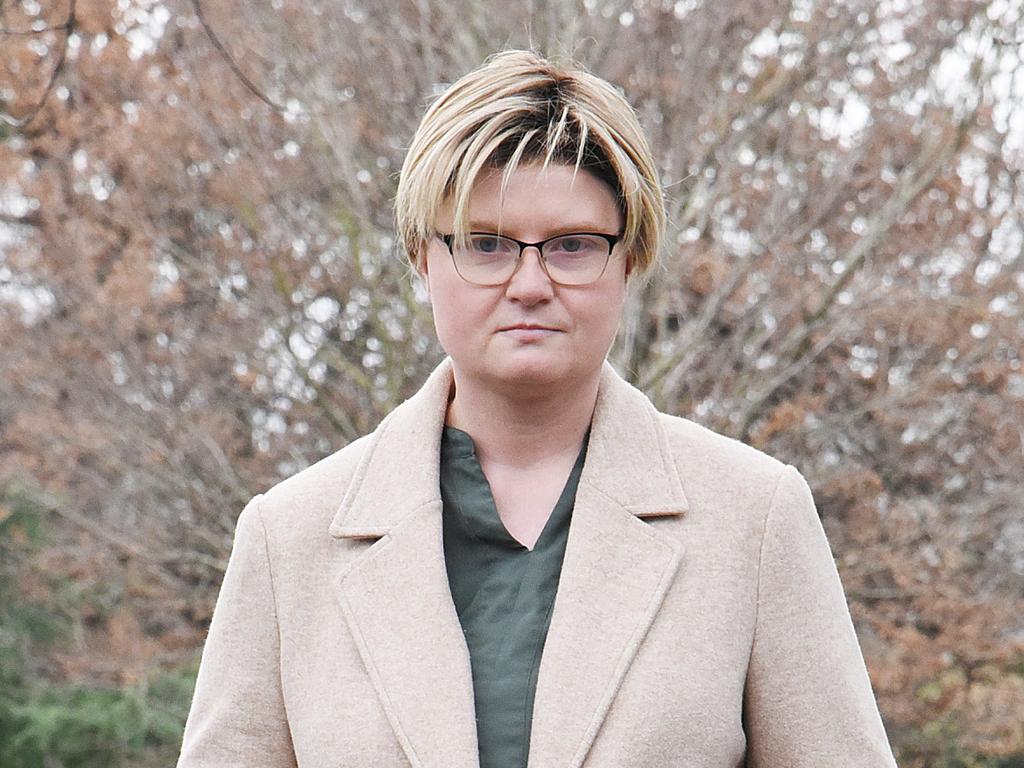
The application was considered by Tasmania’s anti-discrimination system and was ultimately refused. The decision concluded that restricting participation on the basis proposed would not satisfy the exemption requirements.
see- Tasmanian Tribunal Refuses Exemption for Lesbian-Only Events
Lesbian Action Group (Federal, 2023–ongoing)
The Victorian-based Lesbian Action Group sought an exemption under the federal Sex Discrimination Act to permit female-only lesbian events restricted to biological females.
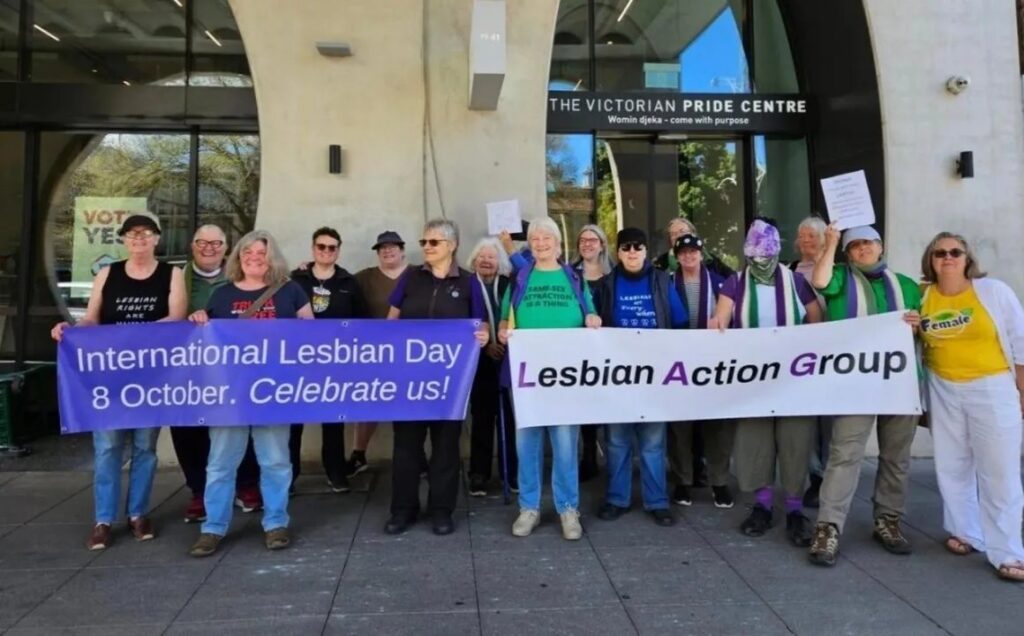
The application became a significant test of how federal law approaches sex-based association and lesbian organising. After earlier decisions refusing the exemption, the Federal Court in 2026 set aside the tribunal outcome and returned the matter for reconsideration.
The Court did not finally determine whether the exemption should be granted but reopened consideration of the question.
see- Lesbian Action Group Inc v Australian Human Rights Commission [2026] FCA 432
2. Women’s Single-Sex Spaces
Debates over women’s single-sex spaces have become one of the most visible areas of conflict between gender identity protections and gender-critical views in Australia.
These disputes raise broader questions about whether sex-based exclusions remain lawful and, if so, under what circumstances exemptions may apply.
Tickle v Giggle (Federal, 2022–ongoing)
Giggle for Girls was created by Sall Grover as a female-only social networking platform intended to connect women. Roxanne Tickle, a trans-identified male, was excluded from access to the platform and brought proceedings under the Sex Discrimination Act.

In 2024, the Federal Court found that the exclusion constituted unlawful discrimination. In May 2026, the Full Federal Court upheld the decision and increased damages to $20,000. Grover has indicated she intends to seek special leave to appeal to the High Court.
Following the decision, public discussion emerged around whether amendments to federal law may be needed to better define the relationship between sex and gender identity protections.
see- Giggle for Girls Pty Ltd v Tickle [2026] FCAFC 64
3. Political Punishment, Employment & Institutional Consequences
Beyond formal court proceedings and anti-discrimination complaints, debates over gender identity and sex-based rights have increasingly produced political consequences.
Across Australia, elected representatives, political activists, and public figures have faced suspensions, disciplinary action, complaints, reputational damage, and internal party conflict after expressing gender-critical views.
Moira Deeming (Victoria, 2023–2024)
Victorian Liberal MP Moira Deeming spoke at a Let Women Speak rally in Melbourne in 2023.

Following controversy surrounding the event, including public attention after the appearance of neo-Nazis at the rally, Deeming was suspended and later expelled from the parliamentary Liberal Party. Deeming denied wrongdoing and argued she had been unfairly associated with individuals she did not support.
In December 2024, she succeeded in a defamation action against John Pesutto and was awarded damages. She was later restored to the parliamentary Liberal Party.
see- Deeming v Pesutto (No 3) [2024] FCA 1430
Drew Hutton (Queensland, 2023–2025)
Drew Hutton, co-founder of the Australian Greens and a long-time environmental campaigner, became involved in internal party conflict after publicly defending open debate on gender issues.

He criticised the party’s handling of internal discussion on transgender policy and refused requests to remove comments from his private social media account that were considered transphobic by party processes.
In 2025, Queensland Greens members voted to expel him. Later that year, the party acknowledged problems with aspects of the process and restored his life membership status.
see- From Founder to Dissenter: The Drew Hutton Greens Controversy
Louise Elliot (Tasmania, ongoing)
Hobart City Councillor Louise Elliot has faced ongoing complaints, suspensions, and public controversy connected to her gender-critical views and public advocacy.

In 2024, Hobart City Council apologised and paid compensation following a dispute after a venue booking associated with her beliefs was blocked.
Despite that outcome, Cr Elliot has continued to face multiple Code of Conduct complaints brought by fellow councillors, including the Lord Mayor and Cr Ryan Posselt. These complaints have related to her social media activity, public statements, and criticism of council decisions.
see- Lawfare Against Cr Louise Elliot Enabled by Bureaucrats
Trent Aitken (Tasmania, ongoing)
Trent Aitken was elected to Burnie City Council in 2022 and later became the subject of public controversy after posting gender-critical views on social media.

In 2025, comments relating to transgender identity and youth gender issues attracted significant criticism, petitions calling for resignation, and numerous formal complaints.
In early 2026, a Code of Conduct process resulted in a temporary suspension after findings that some posts breached expected standards.
see- A Witch Hunt in Burnie? The Campaign to Remove Trent Aitken
Declan Mansfield (Western Australia, 2024–ongoing)
Declan Mansfield, a long-serving library employee with the City of Armadale in Western Australia, commenced legal proceedings after leaving his position following disputes over workplace diversity and inclusion policies, including training relating to gender identity and broader DEI initiatives.
Mansfield alleges he experienced discrimination connected to his political and religious beliefs and argues that public institutions should remain politically and philosophically neutral. His proceedings before Western Australia’s State Administrative Tribunal remain ongoing.
4. Medical Professionals & Regulatory Action
One of the most contentious areas of conflict over gender identity in Australia has emerged in medicine.
Questions around youth gender medicine, evidence standards, professional obligations, and public advocacy have increasingly become matters not only of clinical disagreement but also of regulatory oversight and employment consequences.
Jillian Spencer (Queensland, 2023–ongoing)
Child and adolescent psychiatrist Dr Jillian Spencer became a prominent public critic of aspects of youth gender medicine, including concerns about evidence quality, puberty blockers, and the affirmation model for minors.

In 2023, she was stood down from clinical duties at Queensland Children’s Hospital following concerns raised about her approach and public commentary. Subsequent regulatory and employment disputes continued, including investigations and legal proceedings relating to her professional conduct and public advocacy.
In May 2026, Dr Spencer attracted national attention after being removed from the Royal Australian and New Zealand College of Psychiatrists conference while conducting a silent protest in support of psychiatrist Andrew Amos.
see- Challenges Doctors Face When Challenging Gender-Affirming Care
see- Dragged Out for Asking “Why?” – RANZCP’s Brutal Silencing of Dissent
Dr Proper v Medical Board of Australia (Victoria, 2024)
Dr Proper, a registered medical practitioner, became the subject of disciplinary proceedings arising from social media commentary concerning gender medicine and public statements relating to children and gender identity.
In 2024, VCAT made findings against him and imposed regulatory consequences affecting his registration and professional practice.
see- Medical Board of Australia v Proper (Review and Regulation) [2024] VCAT 219
Andrew Amos (2026–ongoing)
Psychiatrist Dr Andrew Amos became the subject of regulatory action following public commentary and criticism of youth gender medicine.
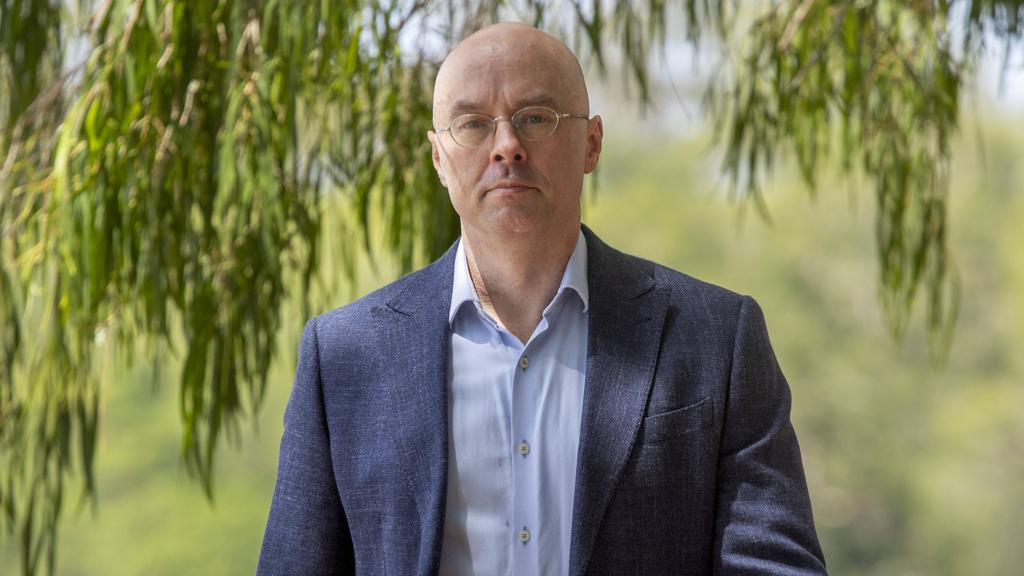
In 2026, emergency regulatory action imposed significant conditions affecting his clinical practice and public commentary while proceedings continued.
The matter generated significant debate within psychiatry and prompted public discussion about the role of professional regulators in managing disagreement over contested areas of healthcare.
see- Excommunicated by the Regulators: Dr Andrew Amos and the New Scientific Inquisition
5. Vilification, Complaints & Online Censorship
Another area of growing conflict has involved the use of anti-vilification laws, complaints processes, venue restrictions, and online regulation.
Supporters of these measures argue they protect vulnerable groups from harassment, exclusion, and harmful conduct while critics argue these mechanisms can sometimes extend beyond preventing abuse and begin to restrict lawful political disagreement, commentary, or advocacy.
Bridget Clinch v Beth Rep (ACT, 2018–2021)
Beth Rep, a Canberra radio newsreader, became the subject of proceedings after publishing Facebook posts critical of the inclusion of transgender-identifying males in women-only spaces and events.

Bridget Clinch, a trans-identified male and former Australian Army captain, lodged a complaint under the Discrimination Act 1991 (ACT) after Beth Rep published Facebook posts critical of the inclusion of trans-identified males in women-only spaces. An initial conciliation resulted in Rep publishing an apology and paying $700.
In 2020, the ACT Civil and Administrative Tribunal found that aspects of Rep’s posts and interactions with comments on her page amounted to unlawful vilification. Rep was ordered to pay $10,000 compensation and remove content. An appeal in 2021 narrowed some findings but largely upheld the outcome.
see- CLINCH v REP (No. 2) (Discrimination) [2020] ACAT 68
see- REP v CLINCH (Appeal) [2021] ACAT 106
Lyle Shelton Drag Queen Story Time Case (Queensland, 2020–ongoing)
In 2020, Lyle Shelton, then associated with the Australian Christian Lobby and later Family First, published blog posts criticising a Drag Queen Story Time event held at a Brisbane City Council library. The event featured performers Johnny Valkyrie (stage name “Queeny”) and Dwayne Hill (stage name “Diamond Rim”). Shelton described the performers as inappropriate role models for children and expressed concerns about exposing young children to drag culture and gender identity concepts.

The two performers commenced proceedings under Queensland’s Anti-Discrimination Act 1991 alleging that Shelton’s comments amounted to vilification on the grounds of sexuality and gender identity.
In August 2023, the Queensland Civil and Administrative Tribunal (QCAT) dismissed the complaint. However, in March 2026 an appeal tribunal overturned that decision, finding errors in the original ruling on multiple grounds, and the matter was sent back for further consideration. Shelton is pursuing further review, including an application for judicial review.
see- Valkyrie and Hill v Shelton [2023] QCAT 302
see- Drag queen case set back: why this fight for free speech continues
Moleta v Rancie (Federal Court, settled 2019)
Marijke Rancie, known online as “Political Posting Mumma”, became the subject of defamation proceedings after publishing Facebook posts and comments raising concerns about LGBTIQ+ youth programs and events.
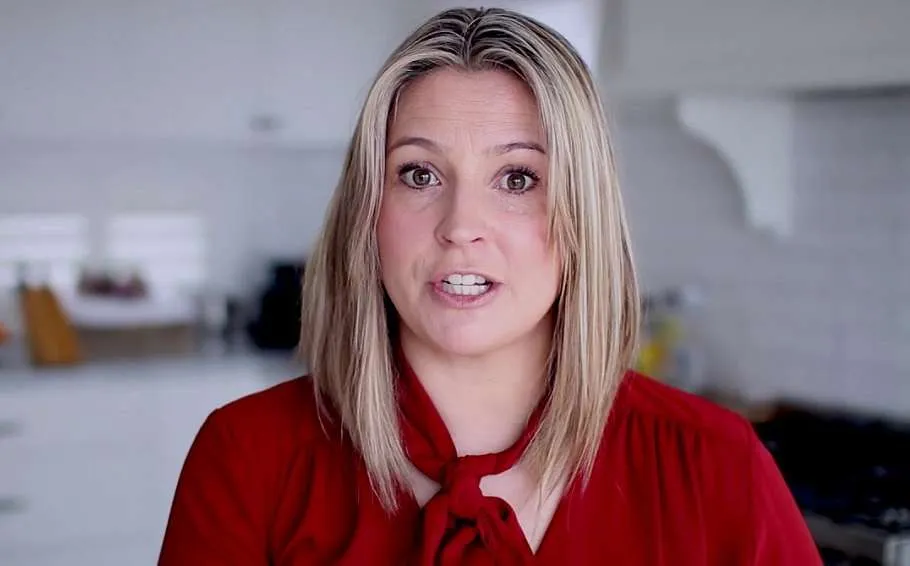
The plaintiff, Adele “Delsi” Moleta, a youth events organiser and advocate, alleged that the posts conveyed defamatory imputations affecting her reputation. The matter was resolved through mediation in 2019, with Rancie issuing a public apology and agreeing to pay compensation.
see- How A Queer Woman Took On A Prominent Conservative Activist And Won $100,000
Isla MacGregor / WST – Library Ban (Tasmania, 2025–ongoing)
Women Speak Tasmania faced the cancellation of confirmed venue bookings at Libraries Tasmania for events relating to sex-based rights and public policy.
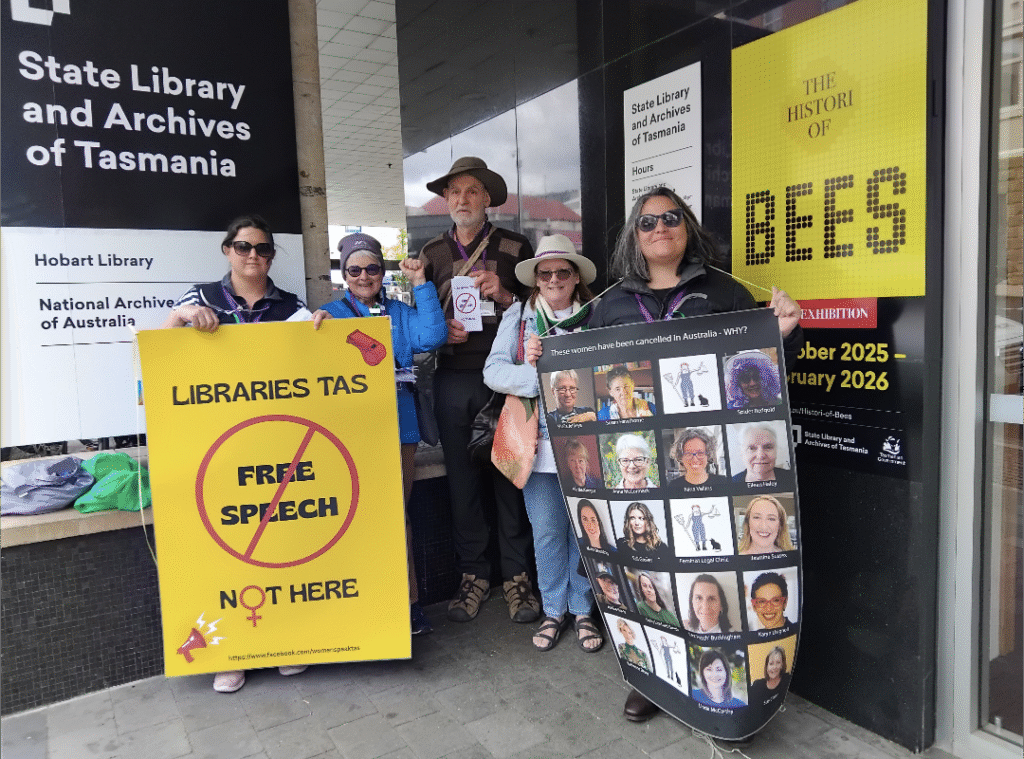
The group pursued an anti-discrimination complaint based on political belief protections. Subsequent attempts to access internal documents relating to the decision became the subject of further dispute.
The matter remains ongoing.
see- Two Library Cancellations – Part 1: What Happened?
see- Two Library Cancellations – Part 2: The Legal Response
Kirralie Smith / Binary Australia (NSW, 2025–ongoing)
Kirralie Smith and Binary Australia became the subject of proceedings arising from social media commentary concerning trans-identified males competing in women’s sport.
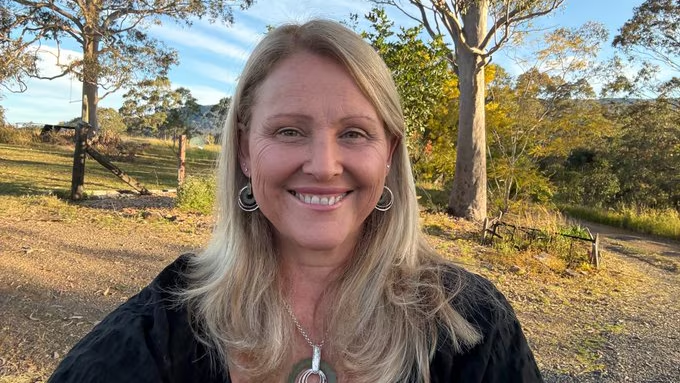
In late 2025, findings were made against Smith and damages of $95,000 were awarded together with orders for a public apology.
Appeal proceedings remain underway.
see- A Wake-Up Call for Women’s Sex-Based Rights in Australia
Billboard Chris v eSafety Commissioner (2024–2025)
Canadian campaigner Chris Elston, known as “Billboard Chris”, challenged action taken by Australia’s eSafety Commissioner after a social media post criticising gender medicine and commenting on a transgender-identifying public figure was restricted under the Online Safety Act.
In July 2025, the Administrative Review Tribunal set aside the removal decision and found the legal threshold for cyber-abuse had not been met.
see- Christopher Elston v eSafety Commissioner
Celine Baumgarten v eSafety Commissioner (2025–2026)
Content creator Celine Baumgarten challenged action taken after an eSafety intervention concerning a social media post discussing a primary school Queer Club.
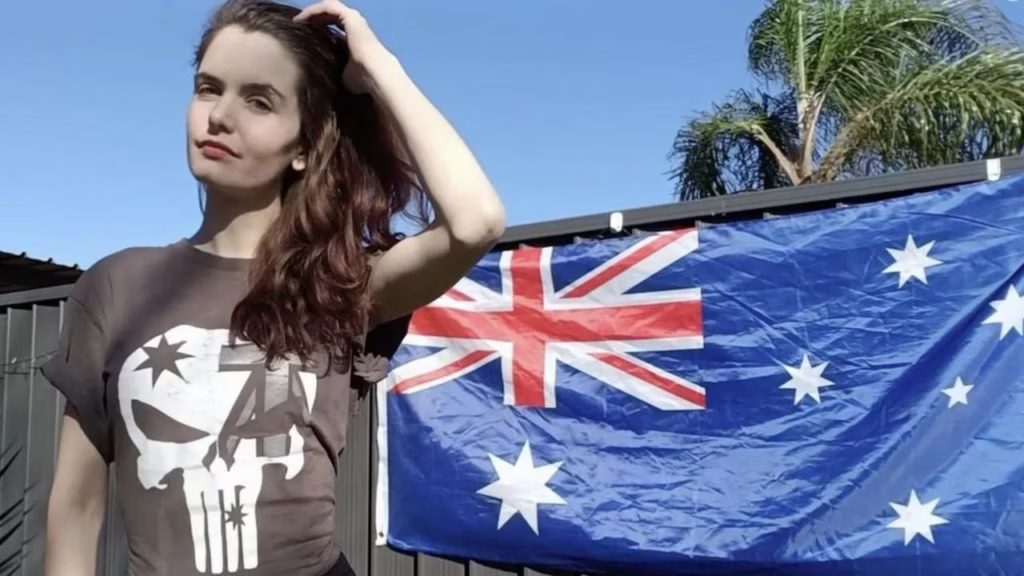
The matter became part of wider legal debate about review rights and the scope of Australia’s online safety framework.
The case attracted broader interest because of its implications for political speech online.
see- Win for Parental Rights and Free Speech: Celine vs eSafety Commissioner
Jennifer Buckley v Jasmine Sussex (Queensland, 2021–ongoing)
Jennifer Buckley, a trans-identified male, commenced proceedings against former Australian Breastfeeding Association counsellor Jasmine Sussex following public commentary concerning induced lactation and language surrounding breastfeeding.

The dispute has attracted wider public attention because it touches on contested questions of sex, language, parenting, and public advocacy.
The matter remains unresolved.
see- Human Rights Law Alliance (HRLA) – Jasmine Sussex Defence Page
Bernard Gaynor (Queensland / New South Wales, 2013–ongoing)
Former Army officer and conservative campaigner Bernard Gaynor became involved in a long-running series of anti-discrimination complaints and legal disputes arising from public commentary on sexuality, gender, religion, and child protection issues.
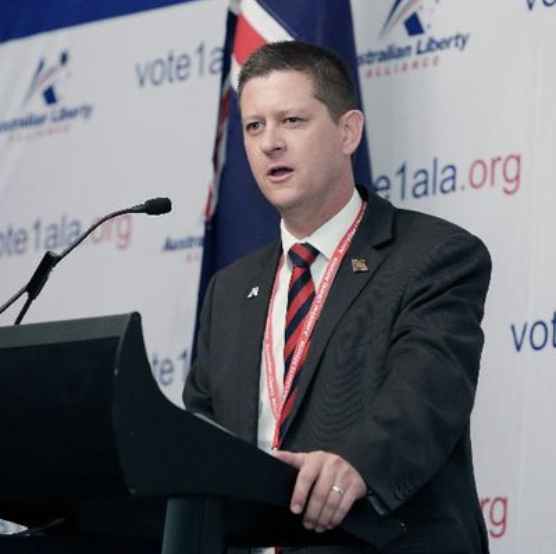
Many of the complaints were brought by NSW activist Garry Burns under New South Wales anti-discrimination laws, despite Gaynor residing in Queensland. Over time, the disputes expanded into extensive tribunal and court proceedings across multiple jurisdictions and became associated with broader legal questions about jurisdiction, political communication, and the costs of prolonged complaints processes.
see- Inquiry into Anti-Discrimination Amendment (Complaint handling) Bill 2020.
Conclusion: An Emerging Legal and Cultural Conflict
The cases examined in this blog span very different settings — lesbian association, women’s spaces, political participation, medicine, public institutions, freedom of political belief, social media, and professional regulation.
Not all involve the same legal principles, and not all reached the same outcome. Some resulted in findings against gender-critical individuals or groups. Others ended in appeals, reinstatement, compensation, settlements, or successful legal challenges.
What links these disputes is not that every case proves a single coordinated legal strategy, but that each reflects a growing tension between competing ideas about sex, gender identity, rights, public participation, and the limits of institutional power.
Supporters of stronger gender identity protections argue these developments represent the normal operation of modern anti-discrimination frameworks and are necessary to protect vulnerable groups from exclusion and harm.
Critics argue these cases reveal a broader pattern in which legal complaints, institutional processes, professional regulation, and public pressure increasingly influence who can speak, organise, access public spaces, participate politically, practise professionally, or maintain sex-based policies.
Importantly, several disputes examined in this blog extend beyond questions of sex and gender alone. Cases involving venue access, political advocacy, public speech, and complaints processes raise wider questions about freedom of political belief, freedom of association, and whether institutions can remain open to lawful disagreement on contested social issues.
These debates are unlikely to disappear.
Questions surrounding women’s spaces, lesbian association, youth gender medicine, freedom of political belief, professional independence, freedom of expression, and the boundaries of anti-discrimination law continue to evolve across Australia.
As courts, tribunals, governments, regulators, and institutions respond to these disputes, one broader question remains unresolved:
How should a democratic society balance protections for gender identity with freedom of belief, freedom of association, political participation, and the continued recognition of biological sex?
Whatever answer ultimately emerges, these cases suggest the outcome will shape Australian law, public institutions, and civic life for years to come.