Before the formation of Women Speak Tasmania, members were already active in campaigning against the decriminalisation of prostitution and advocating for the rights and safety of survivors. Isla MacGregor played a leading role in Tasmania, working alongside Simone Watson and the Nordic Model Australia Coalition (NorMAC) to promote the Nordic Model. Together, they lobbied policymakers, engaged with survivor networks, and raised public awareness about the harms of prostitution as a system rooted in gendered inequality. Their early advocacy laid the foundation for WST’s ongoing commitment to centring survivor voices, challenging structural exploitation, and pushing for policies that prioritise safety, dignity, and pathways out of the sex industry.
Amnesty International’s Position
In May 2016, Amnesty International adopted a policy advocating the full decriminalisation of consensual adult sex work. This includes removing criminal penalties for selling and buying sex, as well as for brothel-keeping and third-party involvement when participation is consensual.
Amnesty argues that decriminalisation:
- Reduces stigma and marginalisation
- Makes it safer for people to report violence
- Improves access to healthcare and legal protection
- Clearly distinguishes consensual adult sex work from trafficking or coercion
They maintain that criminalising the broader industry pushes people into unsafe conditions. Amnesty has reaffirmed this stance in recent years — including submissions to UN bodies and responses to European Court of Human Rights cases in 2024 — framing decriminalisation as a human rights measure to address discrimination and violence against sex workers.
The Survivor Perspective
Survivors of prostitution present a very different view. Simone Watson, a survivor and Director of Nordic Model Australia Coalition (NorMAC), stresses that prostitution is inherently exploitative, driven by male demand, poverty, addiction, trauma histories, and gender inequality — even when no overt force is visible.
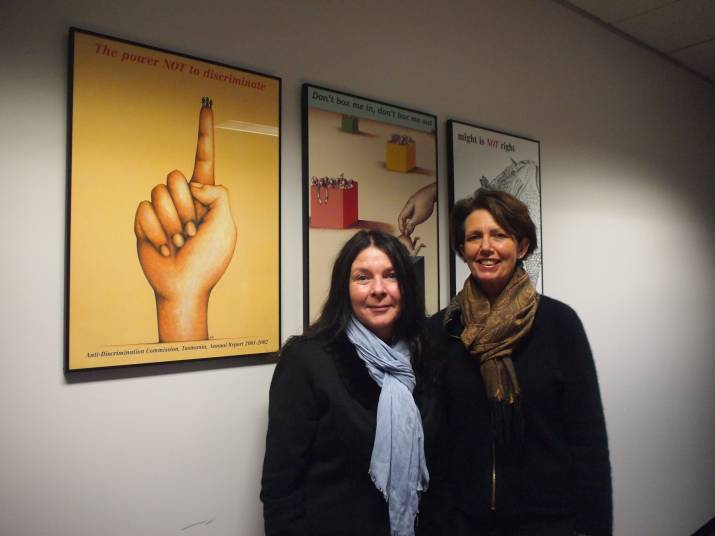
Watson and NorMAC advocate for the Nordic Model (Equality Model), which:
- Decriminalises those in prostitution — no penalties for sellers
- Criminalises the purchase of sex and third-party profiteering — e.g., pimps, brothel owners
- Funds comprehensive exit services including housing, addiction support, and economic alternatives
This model shifts accountability to buyers, reduces demand, and recognises prostitution as a form of gendered violence, rather than neutral labour.
Key Points of Disagreement
Both sides agree trafficking and coercion are wrong, but tensions run deeper:
What is prostitution?
- Amnesty: Often consensual adult labour
- Nordic Model: A system rooted in inequality and vulnerability; “consent” is undermined by structural factors like economic coercion
What reduces harm?
- Amnesty: Decriminalisation improves safety and access to justice (e.g., evidence from New Zealand)
- Nordic Model: Reducing demand shrinks the industry and lowers exploitation; Sweden’s model has reduced street prostitution significantly without harming those in prostitution. In contrast, full decriminalisation can expand the market and draw in more vulnerable people
Whose voices are prioritised?
- Amnesty: Consulted sex worker-led organisations and health experts
- Nordic Model: Many pro-decriminalisation groups do not represent exited survivors; internal dissent (e.g., Amnesty Norway resignations in 2016) highlights selective consultation
Critiques of Amnesty’s Policy
From a Nordic Model and survivor perspective, key concerns include:
- Treating prostitution as labour rather than structural gendered exploitation
- Removing accountability from buyers and third parties, potentially normalising and expanding the industry
- Risk of entrenching conditions tied to poverty, trauma, and inequality
- Framing opposition as stigma or “hate” rather than legitimate critique, silencing survivor voices
In Australia, debates continue. South Australia faces pressure toward decriminalisation, while advocates push for evidence-based alternatives like the Nordic Model to protect women.
Why the Nordic Model is Preferred
The Nordic Model:
- Shifts blame from prostituted individuals to those creating demand
- Recognises prostitution as linked to gendered violence
- Reduces the industry’s scale through targeted measures
- Provides real pathways out via funded support, rather than permanent normalisation
It is not a moral ban but a demand-reduction and equality-focused approach, supported by international survivor networks and evidence from countries that have implemented it.
The Broader Policy Divide
This debate reflects two incompatible philosophies:
- Labour Rights Perspective: Prostitution is primarily consensual adult work (Amnesty)
- Structural Exploitation Perspective: Prostitution is a system of gendered inequality and vulnerability (Nordic Model / survivor advocates)
At Women Speak Tasmania, we centre survivor voices and advocate for policies that protect women from exploitation, uphold dignity, and actively reduce harm. In Tasmania, this means supporting demand-reduction measures and exit pathways that address root causes like poverty, trauma, and inequality.