
Since last year, Women Speak Tasmania has been receiving information from concerned parents about the delivery of Relationships and Sexuality Education programs in Tasmanian government schools. This includes the Respectful Relationships and Consent Education program, as well as the Growing Up Program delivered by Family Planning Tasmania.
Parents have raised consistent concerns about limited transparency, including difficulties accessing lesson materials and teaching resources in advance. Many reported that without access to this information, they felt unable to make informed decisions, discuss sensitive topics with their children, or fully understand how particular subjects were being presented in the classroom.
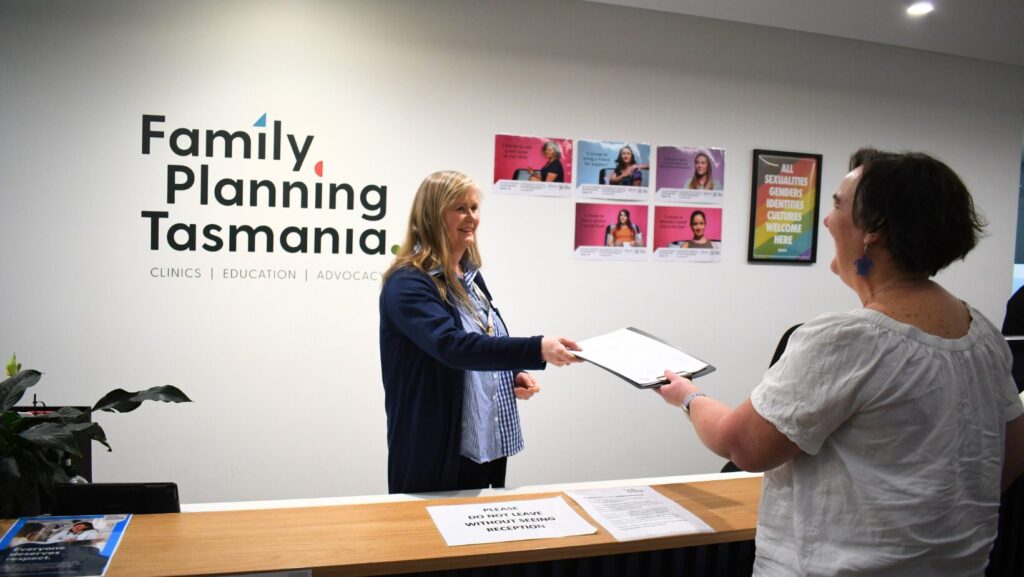
In response, Women Speak Tasmania wrote to the Department for Education, Children and Young People, contacted media outlets and newspapers, and pursued information through multiple channels. Despite these efforts, meaningful improvements in transparency have been limited.
The Right to Information Process
A member of the public subsequently lodged a Right to Information (RTI) request seeking documents relating to these programs. While the Department identified a substantial number of relevant records, many were withheld or heavily redacted under exemptions relating to third-party business affairs and public interest considerations.
As a result, significant questions about program content and delivery remained unanswered. For many parents, the outcome reinforced concerns about the difficulty of obtaining clear information regarding educational materials provided to their children.
After encountering these barriers, Women Speak Tasmania decided to seek independent oversight by writing to the Commissioner for Children and Young People.
Our Submission to the Commissioner
On 26 March 2026, we sent a detailed submission to the then Interim Commissioner.

The letter summarised parent-reported concerns regarding the availability of program materials and aspects of content delivery, particularly in relation to younger students. We also provided information about the RTI process and included the Schedule of Documents, which demonstrated the extent of redactions and exemptions applied to the released material.
We offered to provide further anonymised parent accounts, or to facilitate confidential input from parents, should the office consider it helpful.
Importantly, we emphasised that our concerns were not about opposing Relationships and Sexuality Education programs. Rather, they related to ensuring that such programs are delivered in a transparent, developmentally appropriate manner that supports families and respects the role of parents in their children’s education.
What We Asked the Commissioner to Consider
In our correspondence, we asked whether the Commissioner’s office would consider:
- Whether the issues raised warranted a systemic review or ongoing monitoring;
- Whether further guidance may be required to strengthen transparency, parental engagement, and student wellbeing in the delivery of sensitive curriculum content; and
- Whether it would be appropriate for the office to engage with the Department for Education, Children and Young People regarding expectations, safeguards, and communication with families.
The Commissioner’s Response
Between our initial correspondence and the formal response, there was a change in leadership within the Commissioner’s office. Ms Isabelle Crompton commenced long service leave and Ms Roslyn Cornish AM was appointed Interim Commissioner.
On 27 April 2026, Interim Commissioner Roslyn Cornish AM provided a written response.

She thanked Women Speak Tasmania for raising the matters and acknowledged the importance of transparency, clear communication, and parental involvement in supporting positive outcomes for children and families.
The Commissioner outlined the statutory role and functions of the office under the Commissioner for Children and Young People Act 2016, noting that responsibility for curriculum content, program commissioning, and RTI decisions rests with the Department for Education, Children and Young People.
She advised that the matters raised would be noted and considered as part of the office’s ongoing monitoring of issues affecting the rights and wellbeing of children and young people in Tasmania. The response also outlined existing complaint pathways through schools and the Department, as well as options for external review of RTI decisions through Ombudsman Tasmania.
Looking Ahead
We appreciate the response from Interim Commissioner Roslyn Cornish AM and the acknowledgement that these matters will remain within the office’s ongoing monitoring of issues affecting children and young people.
While no formal review has been initiated at this stage, the correspondence highlights the importance of transparency and meaningful parental engagement when sensitive educational content is delivered in schools.
Women Speak Tasmania will continue to advocate for greater openness in Relationships and Sexuality Education so that parents can access information, engage constructively with schools, and participate meaningfully in decisions affecting their children. We believe this is essential for building trust between families, schools, and government.
This correspondence forms part of a broader effort to improve transparency around Relationships and Sexuality Education in Tasmania and to ensure that families are able to access clear information about programs delivered to their children.
We will continue to monitor developments and update the community if significant changes occur. In the meantime, we encourage parents who have experiences or concerns regarding these programs to document them and contact us if they would like support in raising them through appropriate channels.
Finally, we thank the many parents who have taken the time to share their experiences and perspectives. Your contributions have helped bring greater attention to an issue that matters deeply to many Tasmanian families.