A recent Right to Information request (RTI 076–2025/26) has provided new insight into how the Tasmanian Department for Education, Children and Young People (DECYP) selects and recommends books for use in schools under the Supporting Sexuality, Sex and Gender Diversity in Schools, which sits within the Health and Physical Education (HPE) curriculum.
The RTI shows that these decisions are managed by DECYP, with input from Working It Out (WIO), a publicly funded external organisation that provides training and resources on sexuality and gender diversity.
Although much of the material was withheld or heavily redacted, the RTI reveals how book selections were made, who was involved in approving them, and—most importantly—what information parents are currently unable to access.
How the Book List Was Created
The RTI includes a partially released email chain dated 19 September 2023, involving DECYP officers from the Teaching and Learning Centre and the School Health Service. These emails describe the process by which a list of recommended books was developed for use by teachers and school nurses.
Based on the released documents, the process was as follows:
First, Working It Out supplied an initial list of books focused on sexuality, sex, and gender diversity. This list was intended to support inclusive practice in schools and health settings.
DECYP officers then reviewed and adapted the list internally to align with the Australian Curriculum v9.0, particularly HPE content relating to identity, relationships, stereotypes, and diversity. Books were matched to year levels (from Prep to Year 10) and linked to specific curriculum codes.
The internal correspondence describes the list positively and indicates it was considered suitable for classroom and nurse use. However, the RTI does not show evidence of a broader approval panel, external vetting, or consultation with parents or women’s organisations.
Most importantly, implementation guides and training materials explaining how these books are used in lessons remain fully exempt, meaning parents cannot see the context in which the books are presented.
Books Recommended in the RTI
The released list includes around 20 titles, mostly picture books and early readers, many published in the United States. The focus is on gender diversity, identity exploration, and challenging stereotypes, with recommendations beginning in early primary years.
Key titles from the RTI emails:
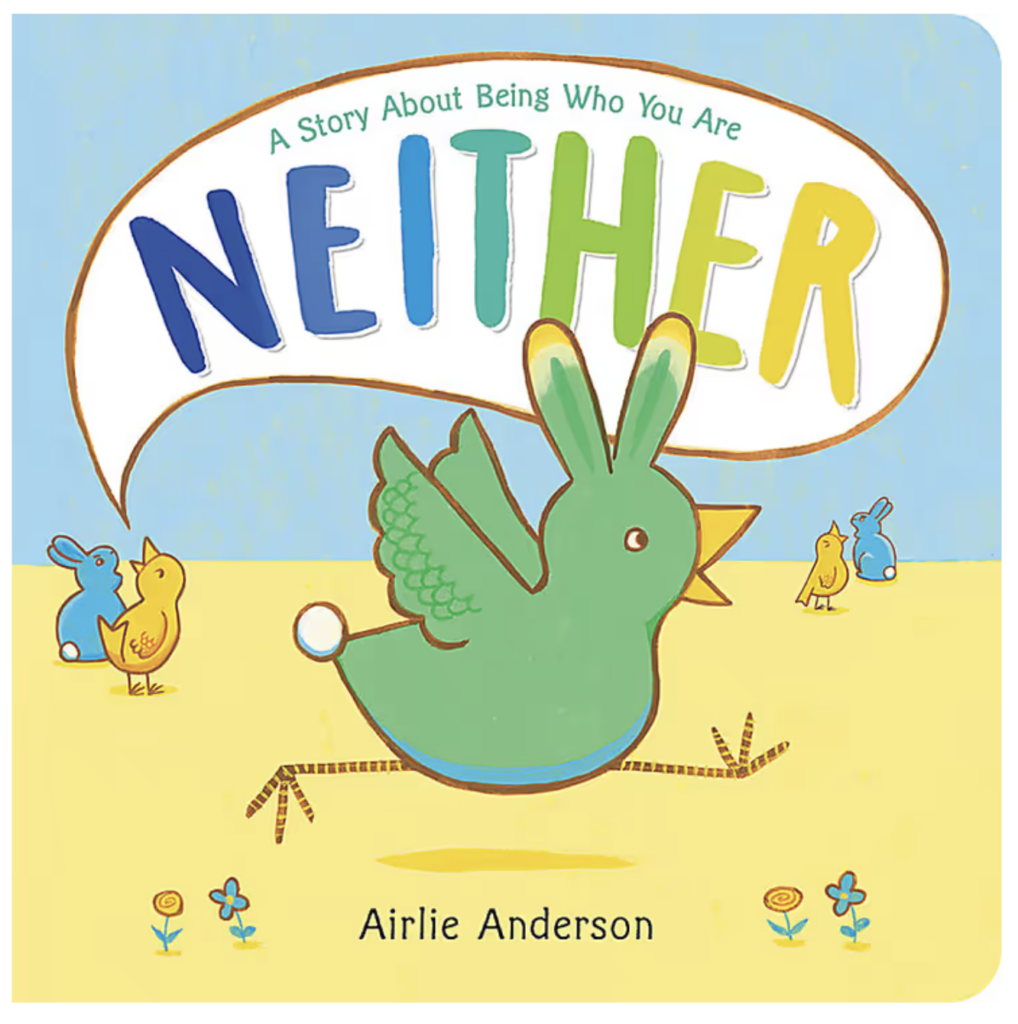
- Neither by Airlie Anderson (US) – Prep: Identity
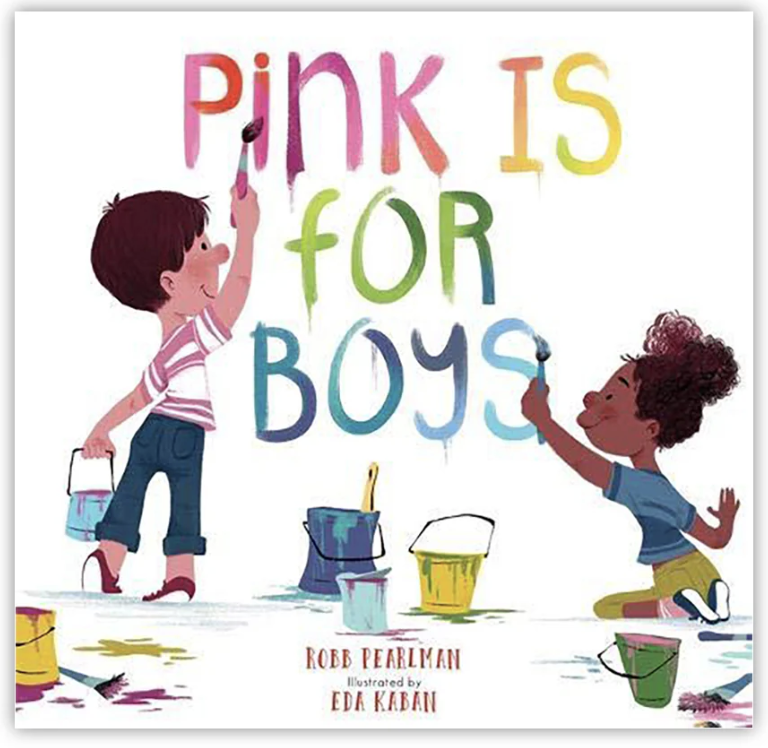
- Pink is for Boys by Robb Pearlman (US) – Prep: Challenges gender binary.
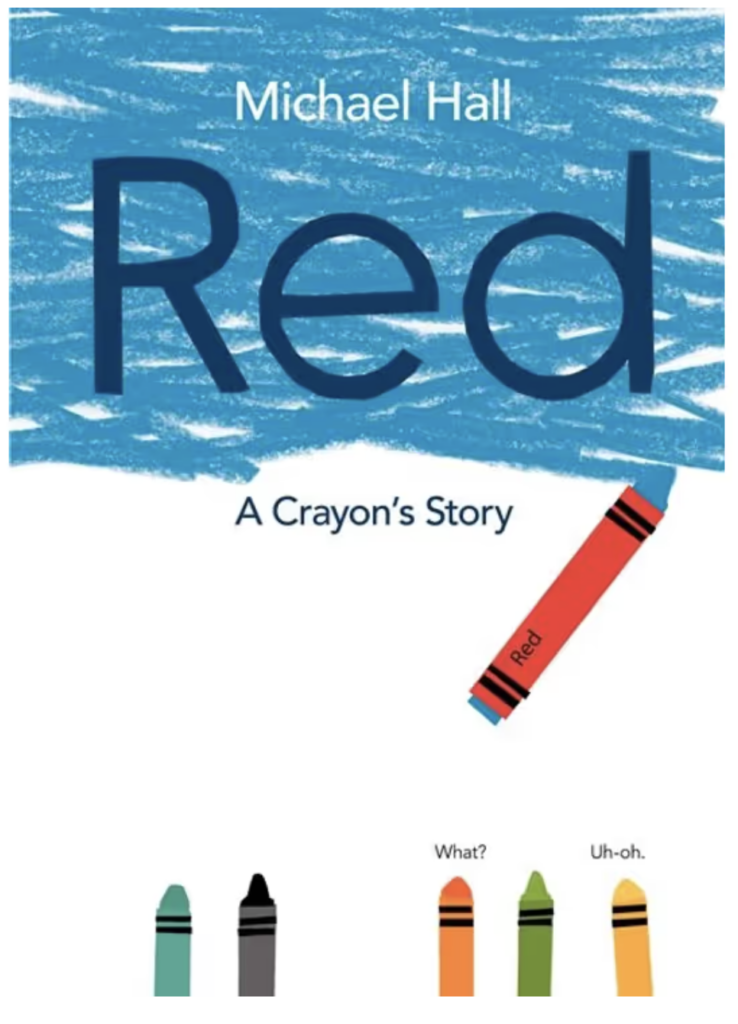
- Red: A Crayon’s Story by Michael Hall (US) – Years 1-2: Identity exploration.
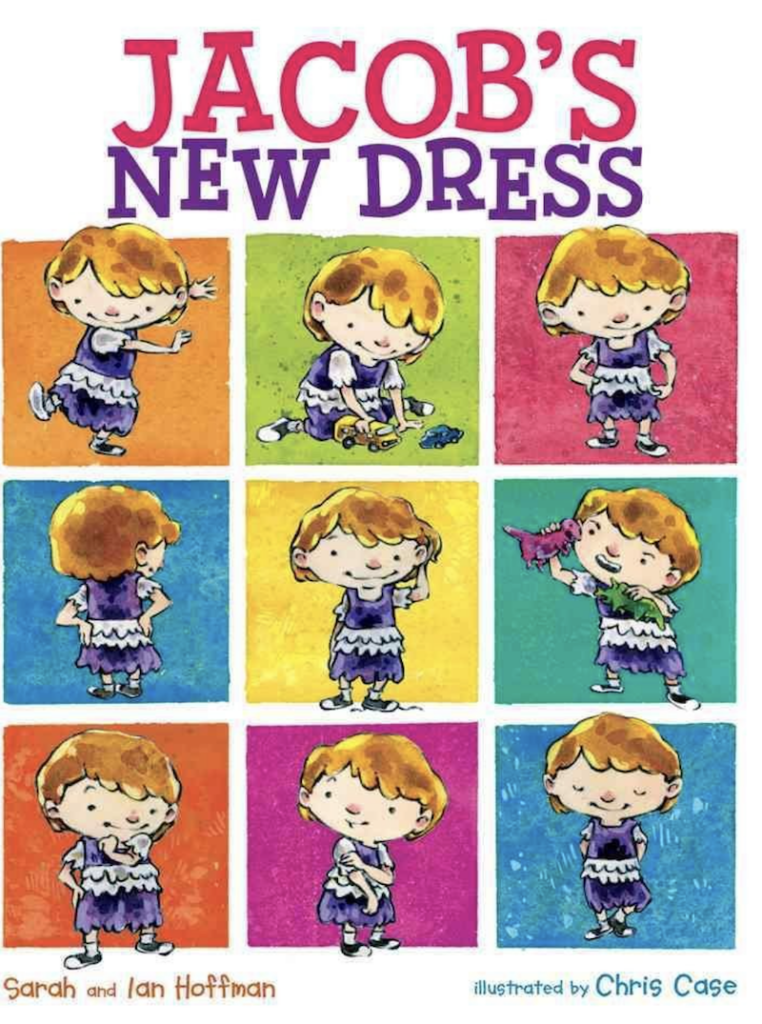
- Jacob’s New Dress by Sarah Hoffman (US) – Years 3-4: Stereotypes
- The Name Jar by Yangsook Choi (US) – Years 5-6: Identity influences.
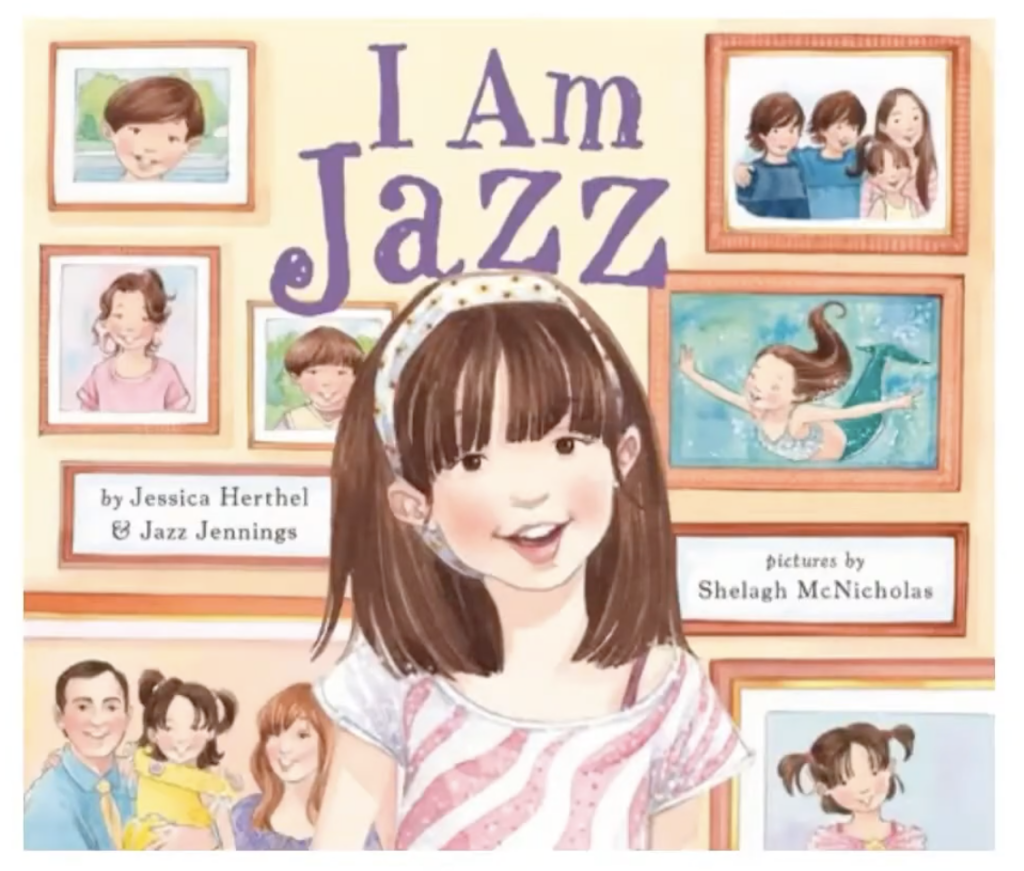
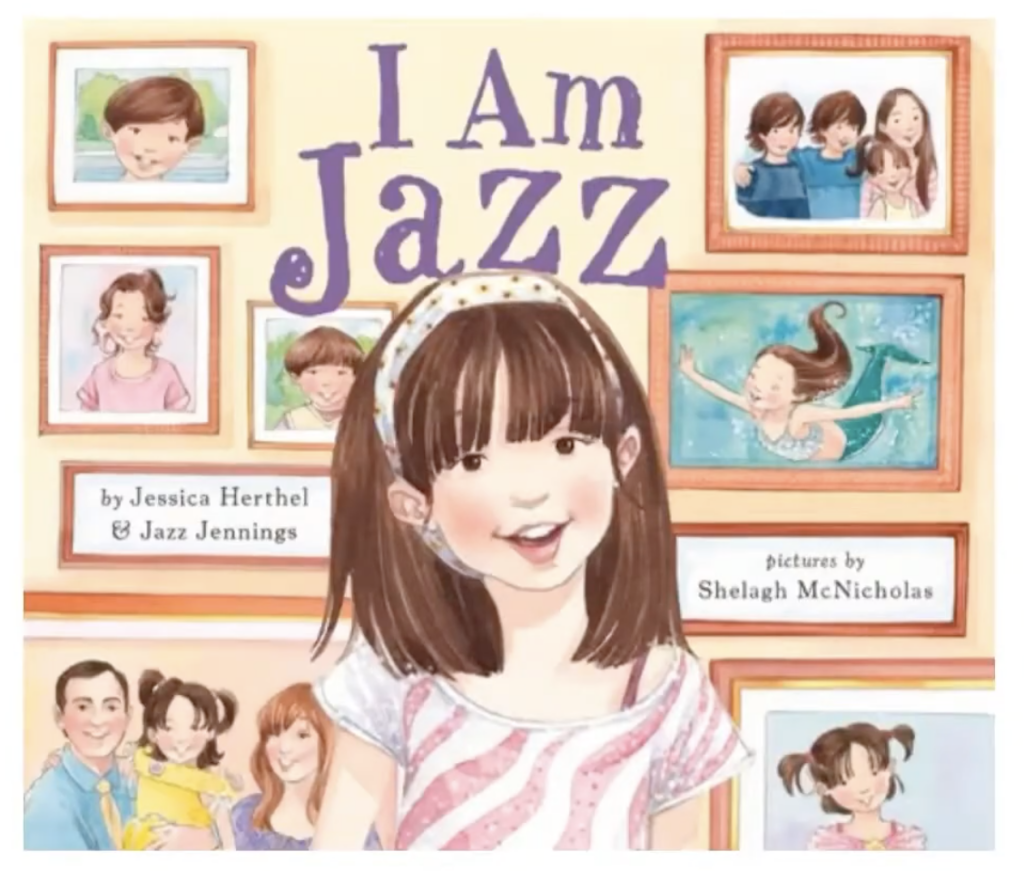
- I Am Jazz by Jessica Herthel (US) – Years 5-6: Transgender experiences.
- The Proudest Blue by Ibtihaj Muhammad (US) – Years 3-4: Gender/racial stereotypes.
- A House for Everyone by Jo Hirst (Australian) – Gender non-conformity.
International Backlash and Parental Challenges
While there is limited documented backlash in Australia for these specific titles, internationally—particularly in the United States—many of these books have been subject to parental challenges, restrictions, or removals.
Of the titles explicitly named in the RTI, a majority have faced documented controversy overseas, often due to concerns about age-appropriateness, lack of parental notification, and ideological framing.
These titles frequently appear in challenge databases maintained by organisations such as the American Library Association and PEN America, reflecting ongoing disputes about early exposure to gender identity concepts in schools.
Focus Case: I Am Jazz
1. What the Book Presents
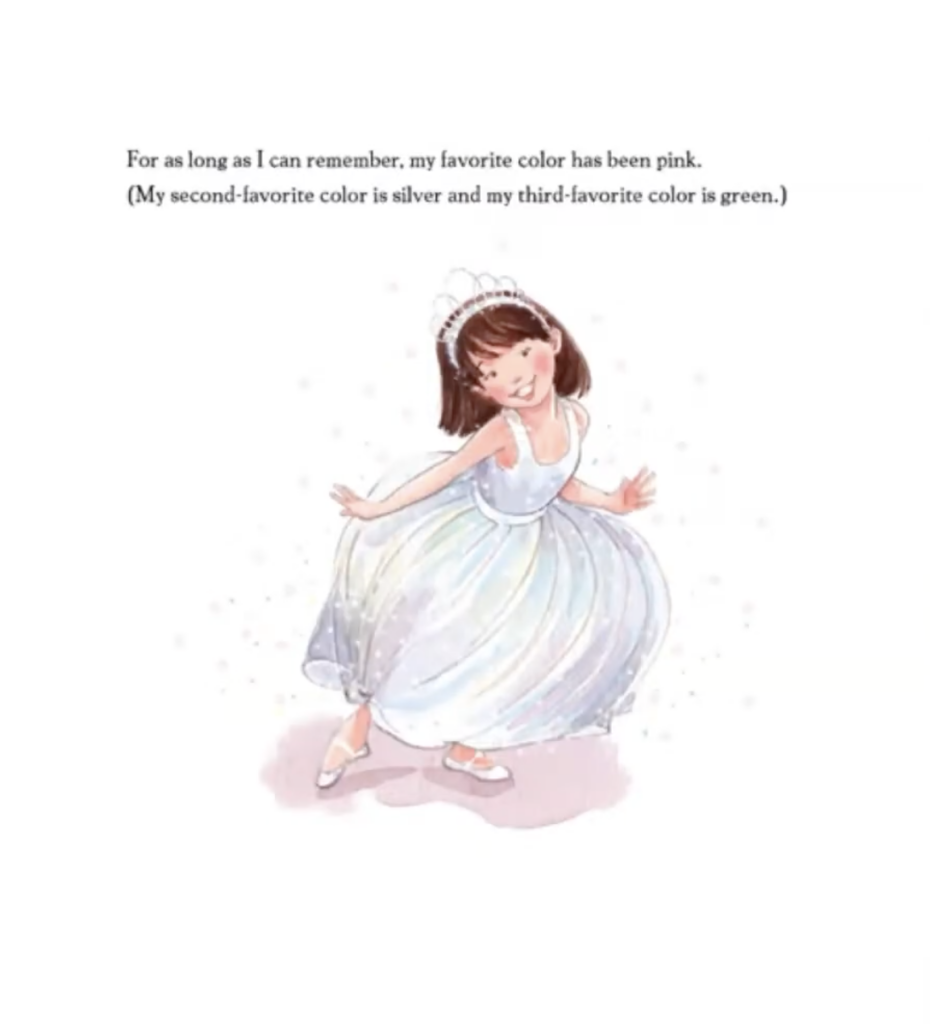
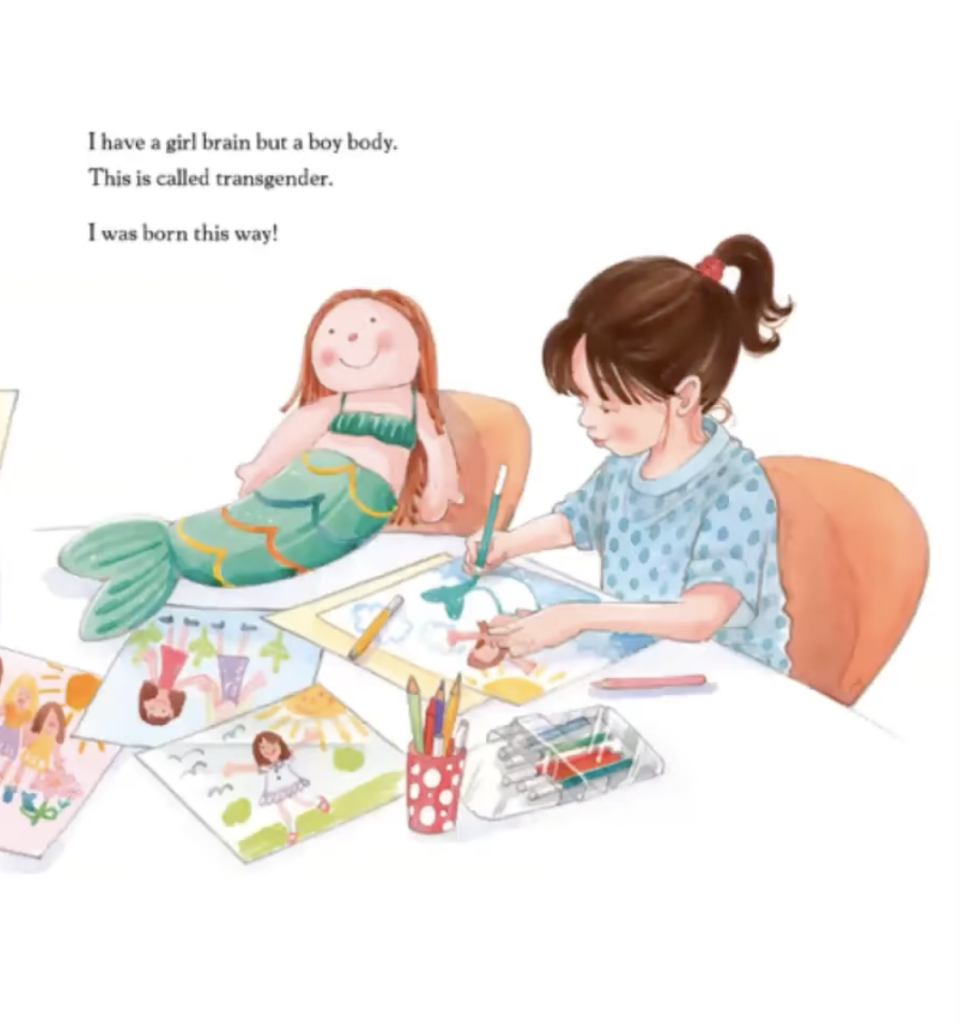
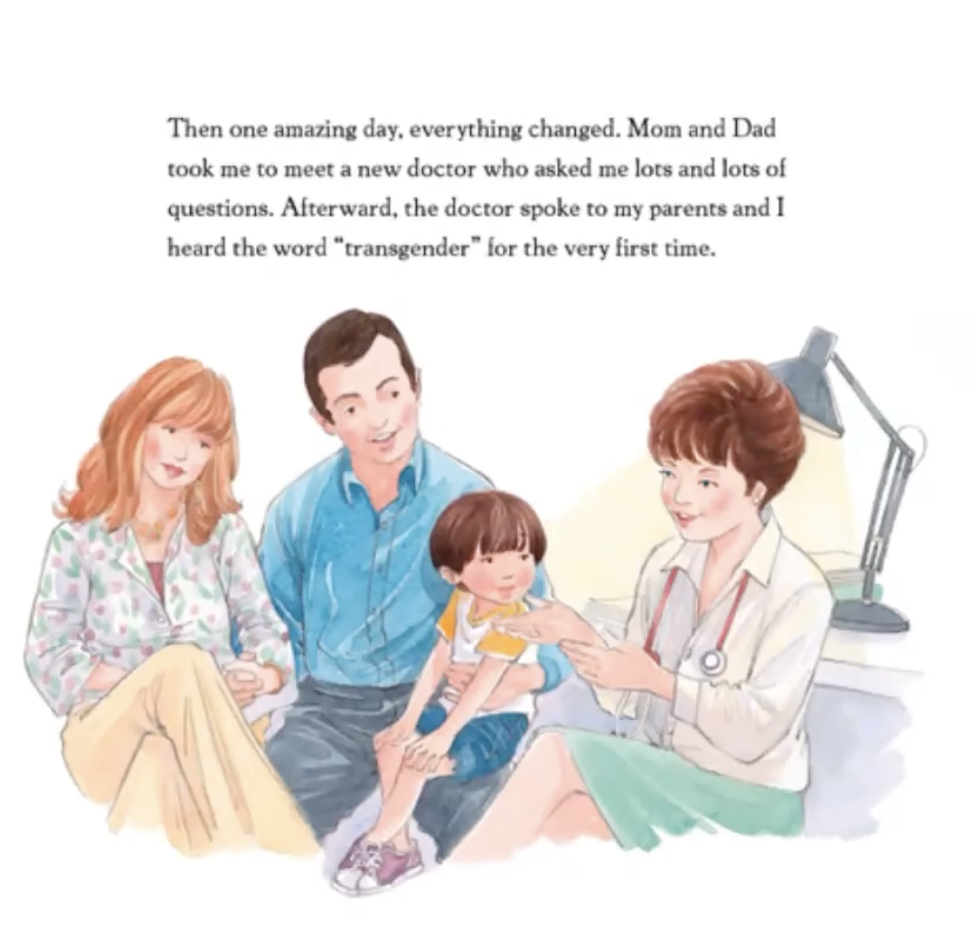
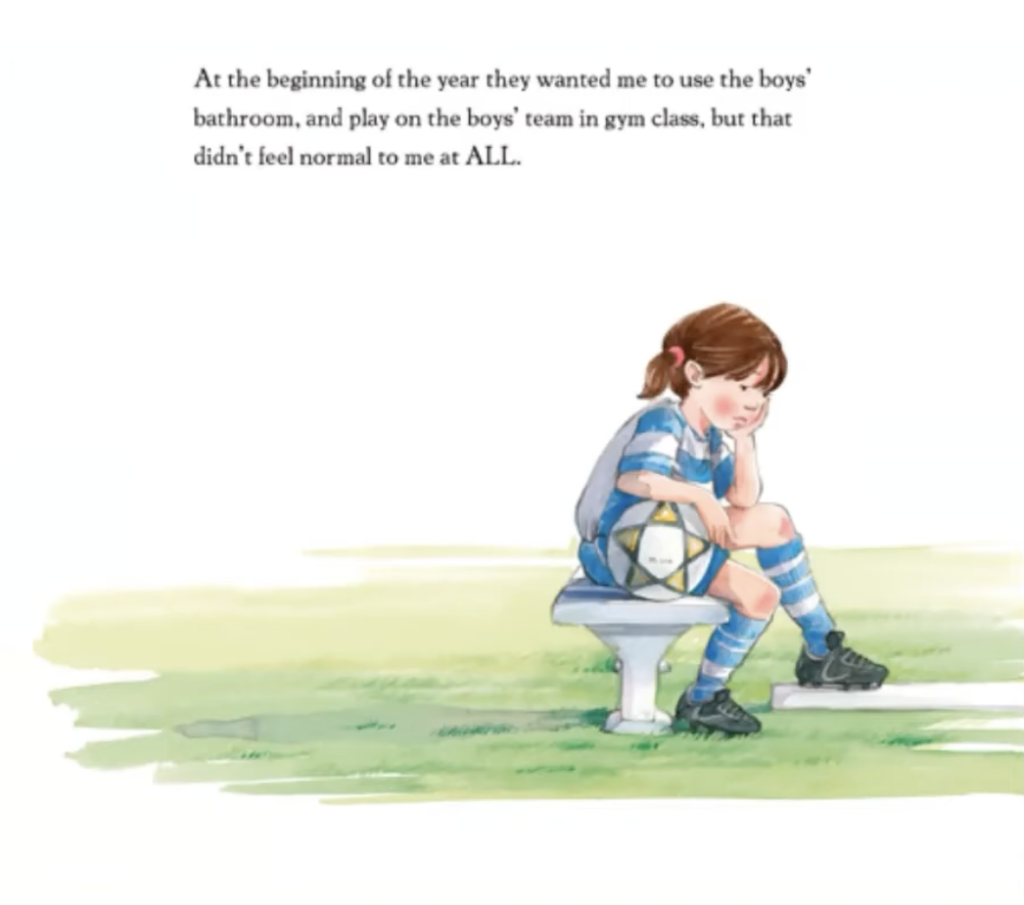
I Am Jazz is a picture book co-written by Jazz Jennings, based on Jazz childhood experiences. It tells a simple, affirmative story of a child described as having a “girl brain but a boy body,” who socially transitions with family and medical support and is portrayed as happier as a result.
It presents transition as uncomplicated and positive.
2. Why the Book Is Contested
The book’s central premise—that a child has an innate “girl brain” or “boy brain”—is highly contested in science and medicine. Neuroscientists and systematic reviews have repeatedly noted that there is no robust evidence for sexually dimorphic “brain sex” that determines gender identity in children. Critics argue that the book reinforces gender stereotypes by linking preferences (such as clothes or colours) to identity.
Further, Jazz Jennings has since spoken publicly about serious surgical complications, infertility, and ongoing mental health struggles following medical transition—experiences that are entirely absent from the book and unknown to children reading it.
This gap between the book’s message and later realities underpins concerns that I Am Jazz implicitly idealises transition without acknowledging risks, limits, or uncertainty.
Why This Matters in Tasmanian Schools
According to the RTI, I Am Jazz is recommended for Years 5–6 as part of HPE lessons on identity and stereotypes. Parents, however, cannot see the accompanying teaching guides or understand how the book is framed, discussed, or contextualised in class.
This raises legitimate questions:
- Are children presented with alternative perspectives?
- Is uncertainty acknowledged?
- Are parents notified in advance?
- Is consent meaningful if materials are withheld?
The Core Issue: Transparency and Consent
The RTI does not show that these books are harmful by default. What it clearly shows is that parents are excluded from meaningful scrutiny.
When:
- external organisations provide resources,
- those resources are publicly funded,
- and parents cannot access them due to “commercial in confidence” exemptions,
then informed consent becomes impossible.
This is not a debate about banning books. It is about parents’ right to know, to ask questions, and to make informed decisions for their children.
Why Parents Deserve Full Visibility
RTI 076–2025/26 reveals a system in which sensitive educational materials are selected internally, delivered with the help of third-party organisations, and shielded from parental review.
Women Speak Tasmania believes that transparency is not optional. If materials are appropriate for children, they should be appropriate for parents to see. Trust in education depends on openness, safeguarding, and respect for families.