Yesterday’s forum, Youth Gender Distress: Pathways to Holistic Care, was not only a success — it was a testament to the professionalism, goodwill, and genuine concern shared by everyone who attended.
Our team arrived early at Parliament House to set up cameras, audio equipment, and recording devices in the reception room. The atmosphere was calm and orderly. On the walk in, we noticed something unusual for events touching on gender issues in Tasmania: no noise, no protesters, no counter-demonstrations.
Even though there had been threats of disruption and intimidation from a counter-protest group, we didn’t experience any disturbances. Tasmania Police maintained a discreet presence, and everything felt smooth and peaceful.
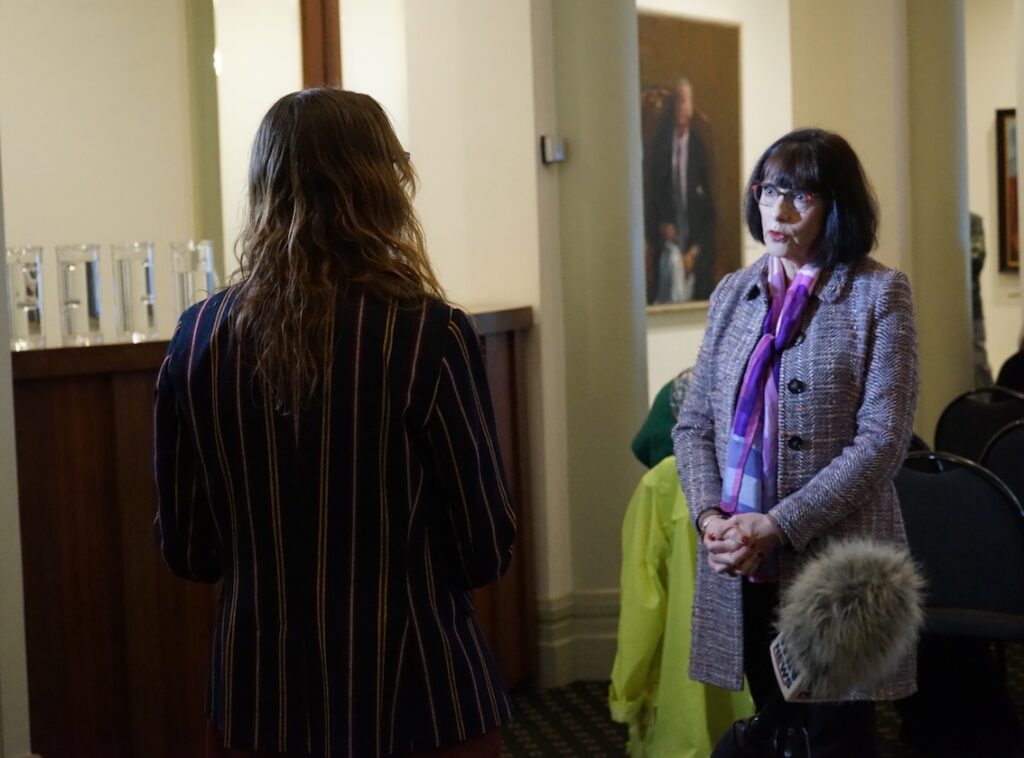
By 12:30 pm, WIN News arrived to interview our keynote speaker, Professor Dianna Kenny. (We are still waiting to confirm whether their segment went to air.) Attendees began to arrive shortly after — clinicians, parents, educators, MPs, and concerned community members — and the room filled quickly.
We commenced right on time at 1:00 pm.
Opening Remarks – Dr Elizabeth Caballero
Dr Elizabeth Caballero opened the forum with a warm and steady introduction, welcoming everyone to Parliament House and thanking Carlo Di Falco MP, Member for Lyons for the Shooters, Fishers and Farmers Party of Tasmania, for generously sponsoring and hosting the event.
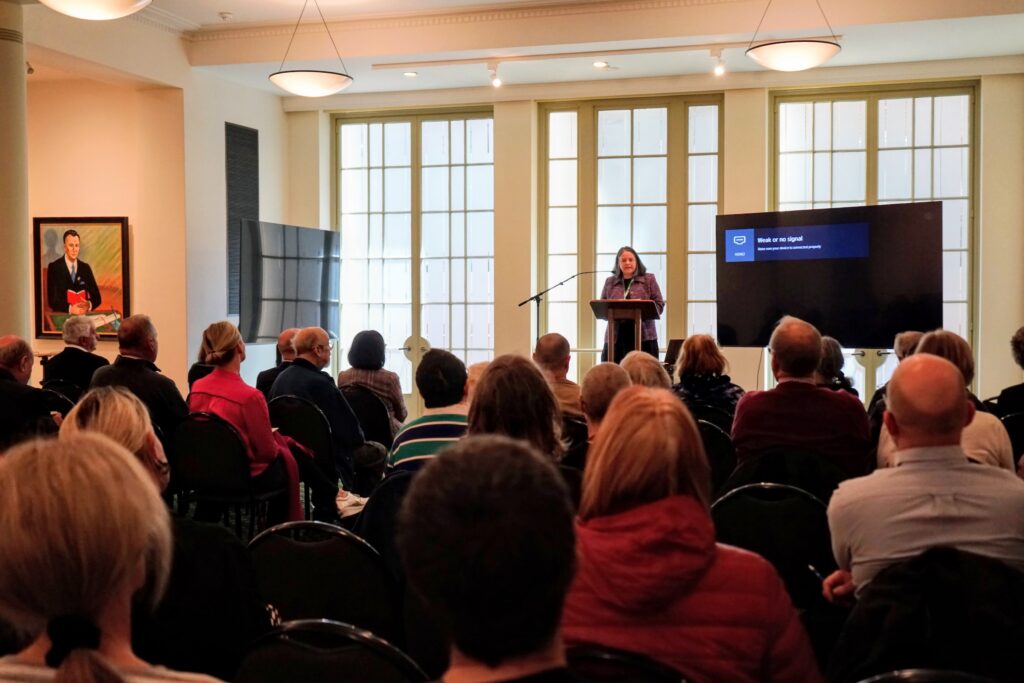
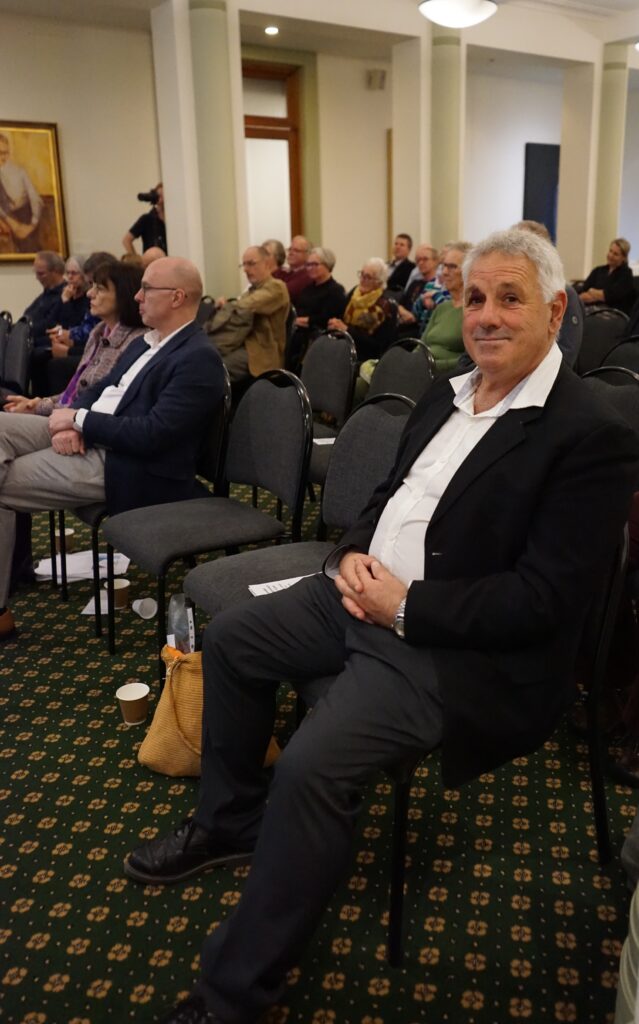
Dr Caballero acknowledged the presence of Members of Parliament, clinicians, mental health workers, teachers, and families — those whose voices and insights are essential to addressing youth gender distress responsibly and compassionately.
Her introduction set the tone for the afternoon: thoughtful, evidence-based, and grounded, always prioritising children’s long-term wellbeing.
She highlighted the growing international shift away from the “affirmation model,” noting recent developments in New Zealand, across Europe, and in the UK. She also recognised the leadership of Guy Barnett — now Attorney-General — whose call for an inquiry into Australian gender clinic guidelines has helped catalyse national debate.
With the context set, Dr Caballero introduced the first speaker.
Professor Dianna Kenny – “Institutional Capture and Moral Narcissism”
Professor Kenny, a renowned child and adolescent psychologist and author of InTRANSigence, delivered a powerful and meticulously researched analysis of the forces shaping youth gender medicine. She examined the interplay of ideology, institutional pressures, social contagion, and the collapse of scientific rigour.
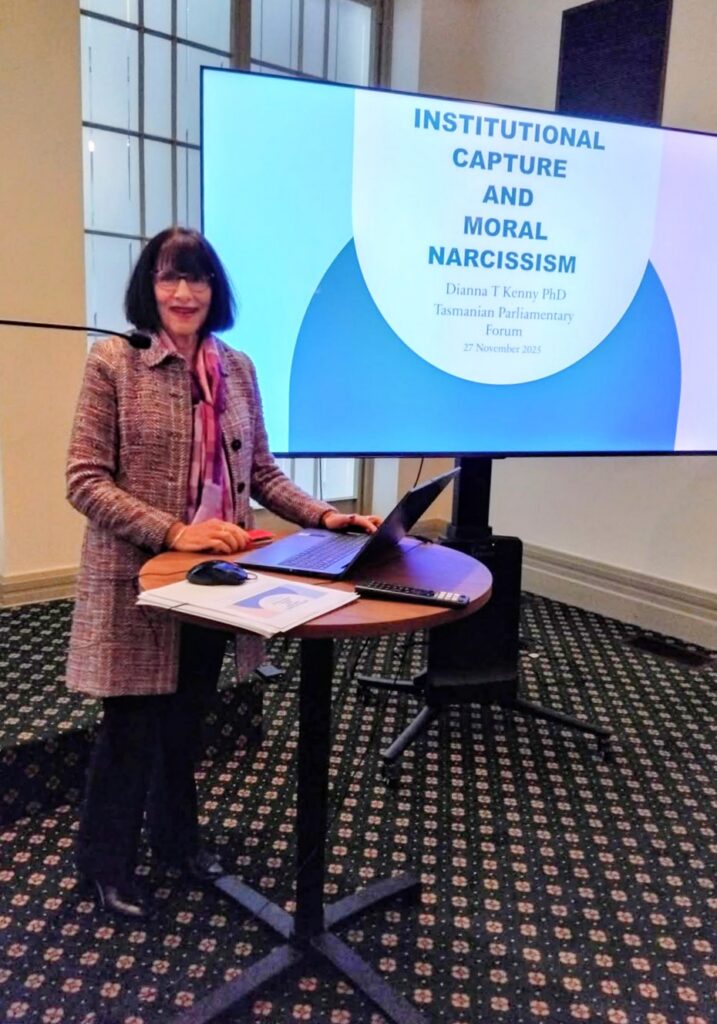
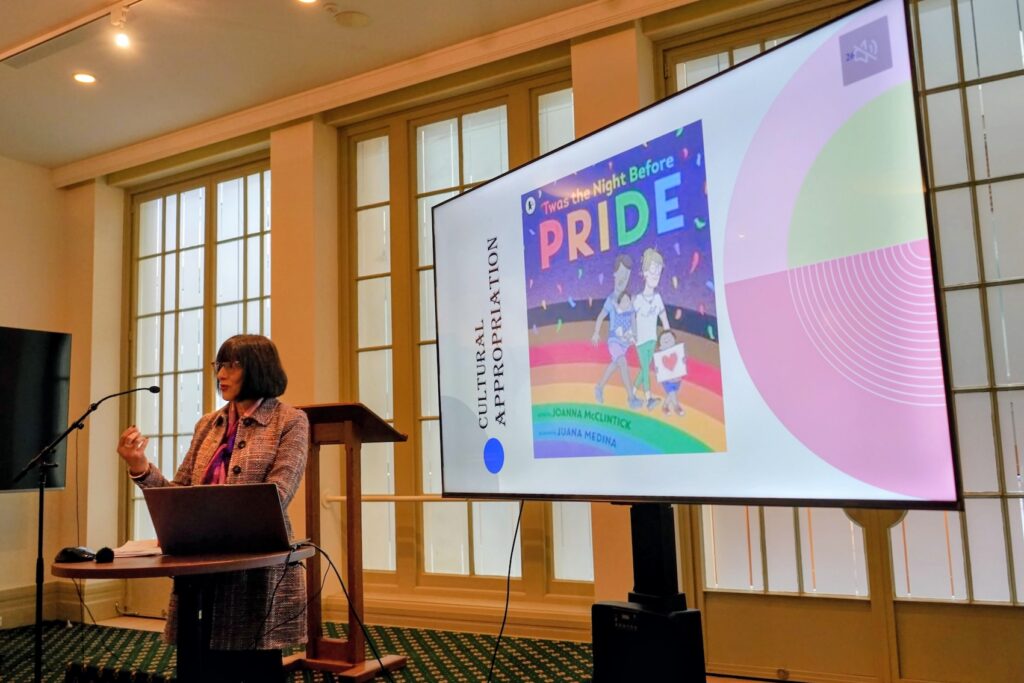
Her presentation gripped the audience and set a strong foundation for the discussions that followed.
Key Quotes from Professor Kenny
“Transgenderism is primarily a socio-cultural and political phenomenon — not a psychological or medical one.”
“Moral narcissism is the intoxication of moral authority. It is better to appear good than to do good. Politicians and trans activists in this country are suffering from moral narcissism. They have abandoned science and logic because it does not serve their moral self-image.”
Dr Andrew Amos – “Medicine, Politics and Gender Affirming Care”
Psychiatrist and academic Dr Andrew Amos delivered a sharp and analytical examination of the political and systemic forces enabling the rapid expansion of gender medicine across Australia. His perspective — balanced, rigorous, and grounded in medical ethics — resonated strongly with both clinicians and community members.
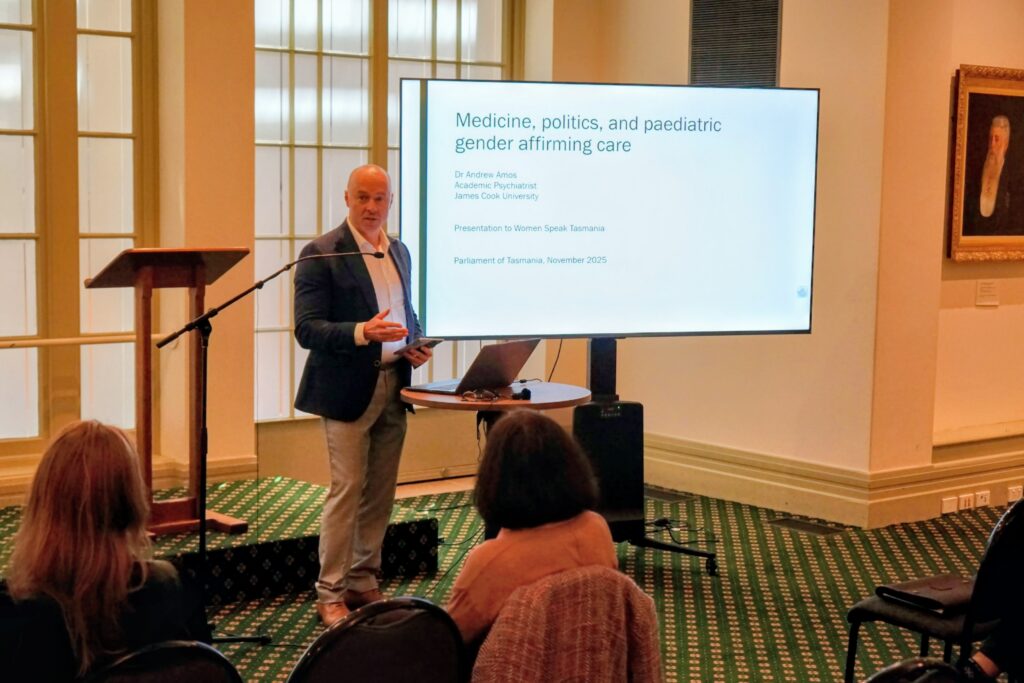
Key Quotes from Dr Amos
“The rapid rollout of paediatric gender medicine is a mystery. In other areas of medicine — even with highly effective treatments — it can take years to implement change. Here, it happened in the blink of an eye.”
“Inflicting social, medical, and surgical treatments on vulnerable children — despite known harms and uncertain benefits — violates every principle of medical ethics.”
“Ultimately, paediatric gender medicine in Australia represents the abandonment of medicine’s focus on patient safety in favour of political goals.”
Q&A and Afternoon Tea
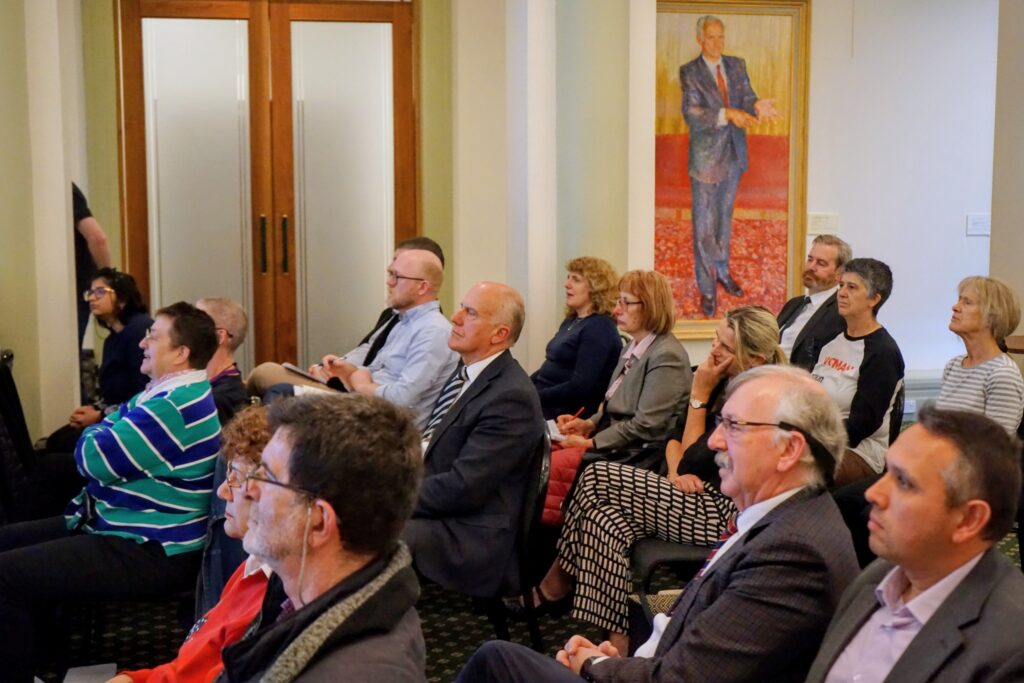
After both presentations, the floor opened for a 30-minute Q&A session. The questions were thoughtful, the discussion respectful, and the atmosphere one of genuine curiosity and concern.
We then broke for afternoon tea — a welcome chance for attendees to continue conversations, meet the speakers, and connect with one another.
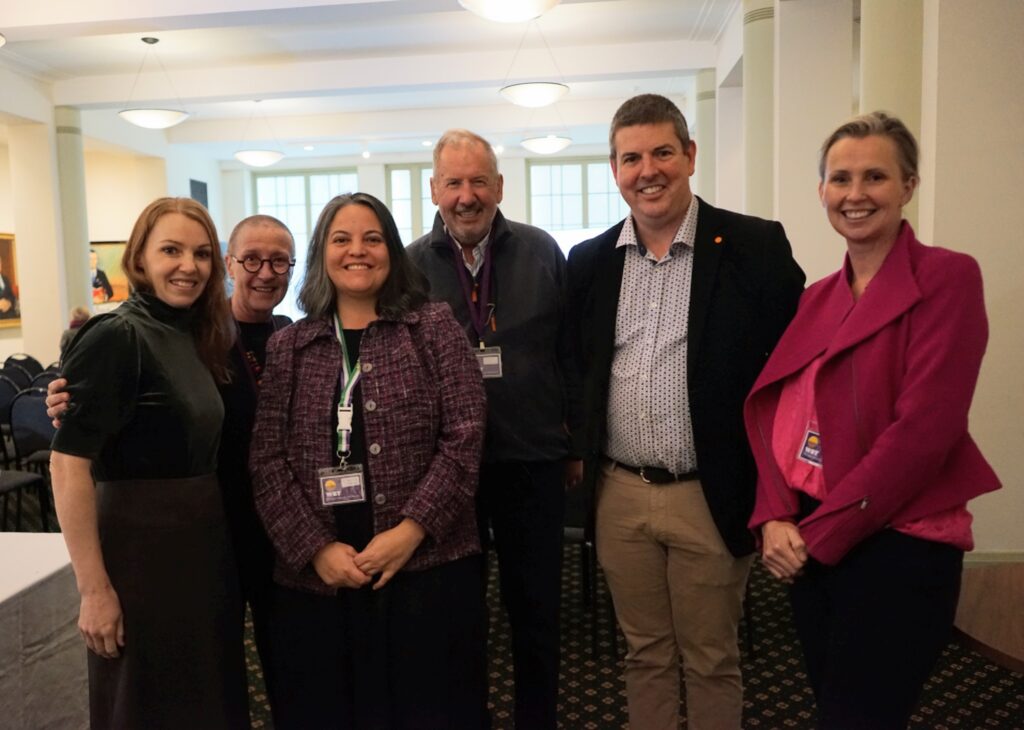
After afternoon tea, we reconvened promptly at 3:00 pm for the second half of the forum.
Professor Philip Morris AM – Pre-Recorded Address on the NAPP Guidelines
Following the break, we presented a pre-recorded address from Professor Philip Morris AM, President of the National Association of Practising Psychiatrists (NAPP). Professor Morris — whose qualifications include MBBS (Hons), BSc Med (Hons), PhD, and fellowships in both psychiatry and addiction medicine — has been a leading national voice for safe, evidence-based approaches to youth gender distress.
Although health issues prevented him from attending in person, his contribution was deeply valued. In his address, Professor Morris outlined the NAPP clinical guidelines: a cautious, ethical, psychotherapeutic model designed to prioritise accurate diagnosis, protect vulnerable young people from irreversible harm, and restore clinical standards that have been eroded.
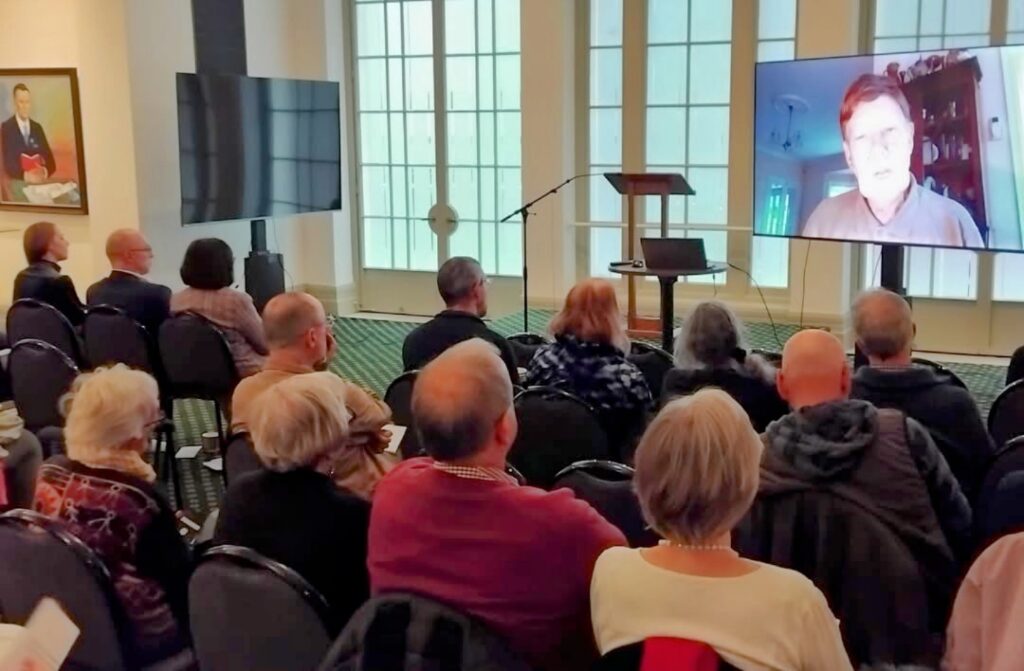
Key Quotes from Professor Morris
“The NAPP guidelines endorse a cautious, personalised, and non-ideological approach. Psychological intervention should be the first-line treatment.”
“Given the experimental nature and the lack of robust long-term evidence, medical interventions should only be introduced with proper experimental oversight and monitoring.”
“Our duty is to protect the long-term wellbeing of children. Every decision must be evidence-based, ethically sound, and grounded in our obligation to do no harm.”
His contribution provided essential context for how Australia can move toward safer, scientifically grounded care aligned with the Cass Review and emerging international practice.
Dr Jillian Spencer – Speaking Out in a Challenging Climate
We then welcomed Dr Jillian Spencer, a child and adolescent psychiatrist whose courage and integrity have made her a central figure in the national debate on gender medicine.
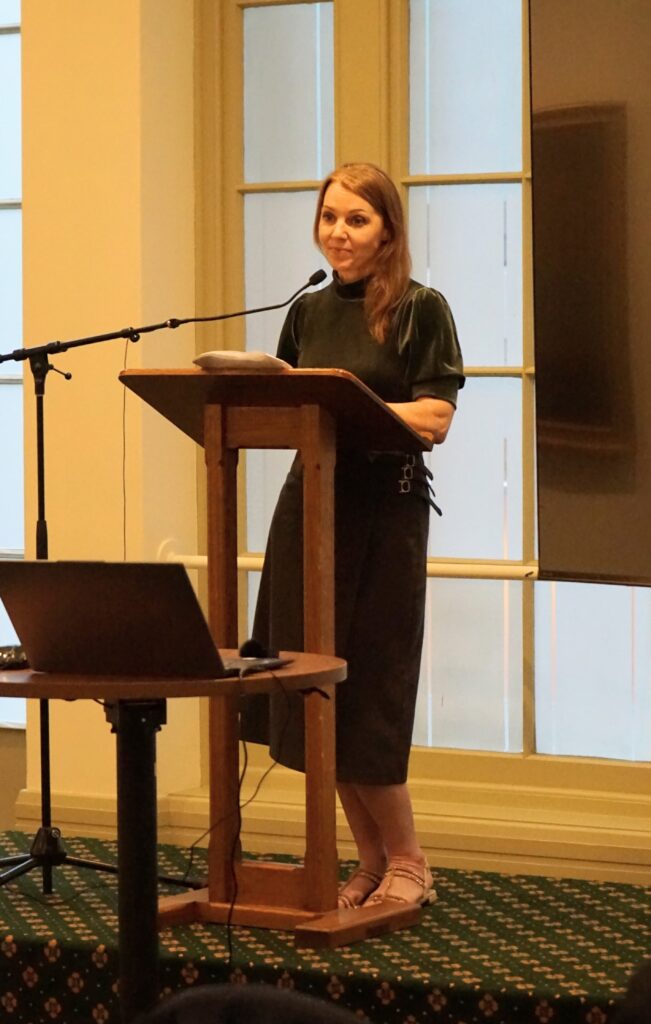
Dr Spencer was stood down in April 2023 from the Queensland Children’s Hospital simply for expressing the evidence-based view that children should not automatically be affirmed in identities that may not reflect long-term reality. She has since lodged a Human Rights Commission complaint, arguing that her employer discriminated against her by compelling her to affirm gender identities in breach of her political belief that sex cannot be changed. Her case is expected to be heard in mid-2026.
Her talk was one of the most moving moments of the afternoon. She spoke candidly about the professional risks, institutional pressures, and hostile climate clinicians face when they attempt to uphold evidence-based standards of care.
Key Quotes from Dr Spencer
“A powerful, well-funded political lobby is driving these interventions. Stopping the harm now requires decisive political action.”
“In my opinion, state-sanctioned harm to children has a stench that will permanently attach to any politician who supported gender clinics.”
“I encourage politicians to get it on the record — now — that they do not support the transitioning of children.”
Her testimony offered a rare, unfiltered glimpse into the reality faced by clinicians who attempt to raise concerns from within the system.
Key Insights from Professor Dianna Kenny: Why She Wrote InTRANSigence
We invited Professor Kenny to elaborate on the purpose and urgency behind her book InTRANSigence. She explained why she felt compelled to write it, and why she believes it fills a critical gap in the current debate.
Why Write This Book?
Professor Kenny began by stating:
“I decided to write the book because literally, there is no other book that has done the work of the book that I’ve just written.”
She argued that the field is saturated with repetitive reviews that fail to address the core problem:
“Everybody is incredibly focused on doing yet another systematic review of evidence. And I keep saying: why are we doing Tooth Fairy research — acting as if the Tooth Fairy exists and then asking, ‘Will my child get more money if I put the tooth under the pillow or the dressing table?’”
She warned that analysing treatments as if the underlying ideology is true prevents researchers from confronting the real issue: the ideology itself.
She compared contemporary gender medicalisation to historical medical mistakes:
“All snake oils do the same thing. We’ve had frontal lobotomy for mental illness. We’ve had bloodletting for fever. We’ve had coffee enemas for cancer. They all have an appalling risk–benefit ratio.”
But she stressed the unprecedented scale of today’s institutional endorsement:
“The difference between those things and what’s happening in gender medicine is that the mainstream medical and social institutions did not go along with coffee enemas for cancer. But now we have paediatricians, endocrinologists, GPs, psychiatrists — all promoting snake-oil therapy.”
She emphasised the extraordinary lack of clinical evidence:
“Why derail a child’s normal developmental trajectory with off-label, dangerous medications? These drugs have gone through none of the usual clinical trials — stage one, stage two, stage three, or long-term studies.”
And she criticised the growing diagnostic dishonesty, she said:
“Doctors are now so dishonest that, in order to prescribe cross-sex hormones, they claim trans-identifying girls have a testosterone deficit and trans-identifying boys have an oestrogen deficit.”
Her aim:
“What I wanted the book to achieve was a complete debugging of the fundamental ideology itself.”
She concluded with a call for intellectual clarity:
“Please read the evidence. Look at the literature. Don’t just jump to, ‘Let’s do more research on whether cross-sex hormones are a good thing.’ We have to examine the underlying theory.”
Final Q&A Panel
We concluded with a 40-minute panel session featuring Professor Kenny, Dr Amos, and Dr Spencer. The questions were thoughtful and wide-ranging — covering clinical practice, school environments, safeguarding policies, parental experiences, and the future of Australian guidelines.
The panel responded with honesty, careful reasoning, and deep empathy for affected families.
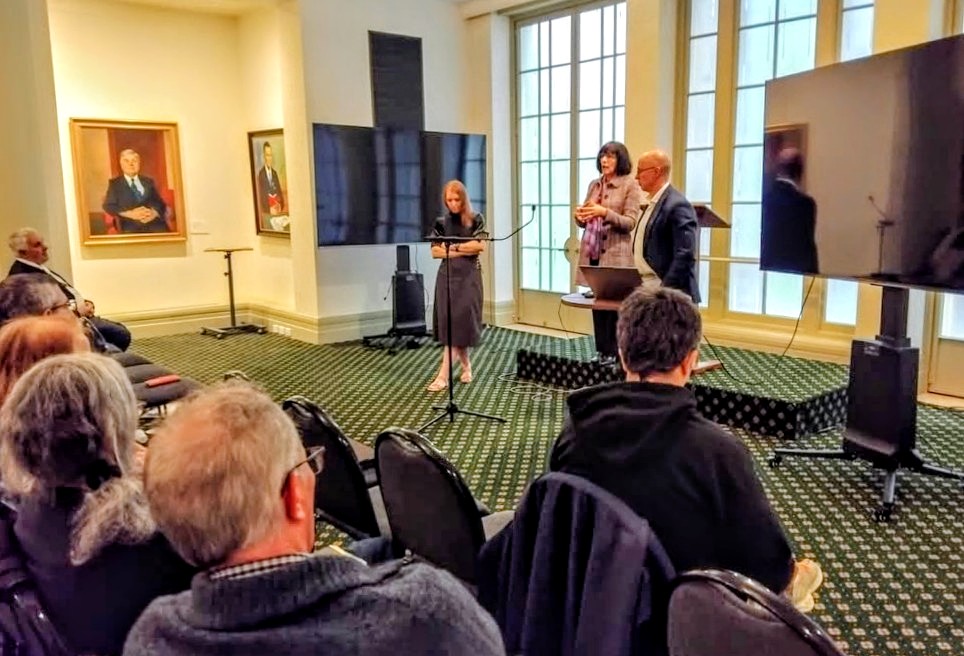
Closing of the Forum
At the end of the afternoon, Dr Caballero delivered her closing remarks.
She thanked every attendee — professionals, families, and parliamentarians — for their engagement and commitment to the wellbeing of Tasmanian children.
She extended deep appreciation to the speakers for their expertise, courage, and dedication to evidence-based, child-centred care.
She also offered heartfelt acknowledgement of the extraordinary Women Speak Tasmania volunteer team, whose work across logistics, registrations, communications, and event operations made the forum possible. Their energy and commitment to open, respectful dialogue were essential to the success of the day.
Dr Caballero concluded:
“Let us continue working together to ensure that every Tasmanian child suffering from gender distress receives care that is safe and evidence-based. Thank you for being part of this vital work, and safe travels home.”
The forum formally closed just before 5 pm.
After the Forum
The WST team and our speakers then gathered for dinner — a warm, relaxed end to a meaningful day. It was an opportunity to debrief, connect, and reflect on the importance of the conversations that took place.
There was a shared sense of purpose, relief, and gratitude — and a strong hope that we will be able to host this important event again soon.