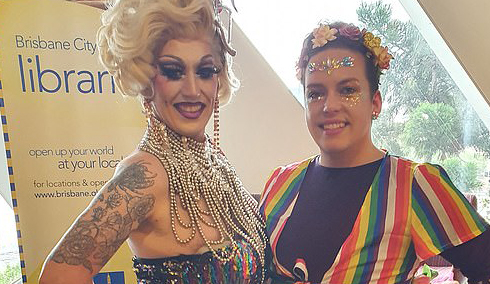
While researching lawfare in Australia, I came across the long-running legal battle involving Lyle Shelton. In 2020, Shelton publicly criticised a Drag Queen Storytime event at a Brisbane City Council library. He described the performers — Johnny Valkyrie (known as “Queeny”) and Dwayne Hill (who performs as Diamond Good-Rim in adult shows) — as “dangerous role models for children,” highlighting aspects of their adult performances.
As this legal battle on grounds of vilification continues, it raises a broader public policy question: What purpose do Drag Queen Storytime events serve, and what evidence supports their introduction into children’s spaces?
Understanding the Drag Subculture
Drag is a performance art form that originated and thrives primarily within gay male subculture. It involves biological males dressing in exaggerated feminine clothing, heavy makeup, wigs, padding, and adopting stylised, often camp or hyper-feminine mannerisms for entertainment. Performances typically include lip-syncing, dancing, comedy roasts, and audience interaction.
In its traditional and mainstream form, drag is closely tied to adult nightlife — gay bars, clubs, cabaret, and late-night shows. Many performers openly describe their regular acts as rude, crude, camp, and highly sexualised, often featuring sexual innuendo, explicit humour, and parody of female sexuality. The aesthetic is deliberately provocative and over-the-top.
The Origins and Goals of Drag Queen Storytime
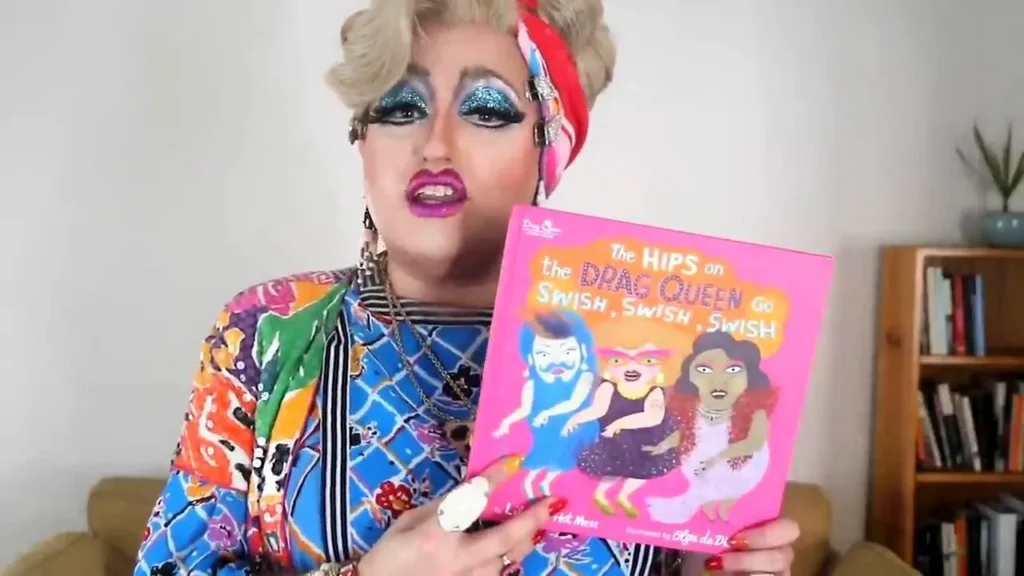
The international Drag Queen Story Hour (DQSH) program was co-founded in 2015 in San Francisco. One of its prominent founding members, Lil Miss Hot Mess, has written popular storytime books such as The Hips on the Drag Queen, Go Swish, Swish, Swish.
According to the official DQSH organisation, the program’s goals extend beyond literacy and entertainment. Their stated mission includes:
Capturing “the imagination and play of gender fluidity of childhood” and providing children with “glamorous, positive, and unabashedly queer role models.”
These stated objectives distinguish Drag Queen Storytime from traditional literacy programs. The goal is not simply reading promotion, but also exposure to particular ideas about gender expression, diversity, and identity.
So, Why Drag?
Supporters often argue that Drag Queen Storytime promotes literacy, inclusion, and acceptance of diversity. These are goals that many Australians would support.
The question, however, is why drag performers are considered uniquely suited to deliver these messages.
Libraries routinely invite authors, teachers, musicians, artists, emergency service workers, and community leaders to engage children. If the objective is reading encouragement, countless alternatives exist. If the objective is inclusion, children can learn about kindness and respect from a wide variety of role models.
The distinctive feature of Drag Queen Storytime is not literacy itself, but the deliberate inclusion of drag performance and gender expression as part of the educational experience.
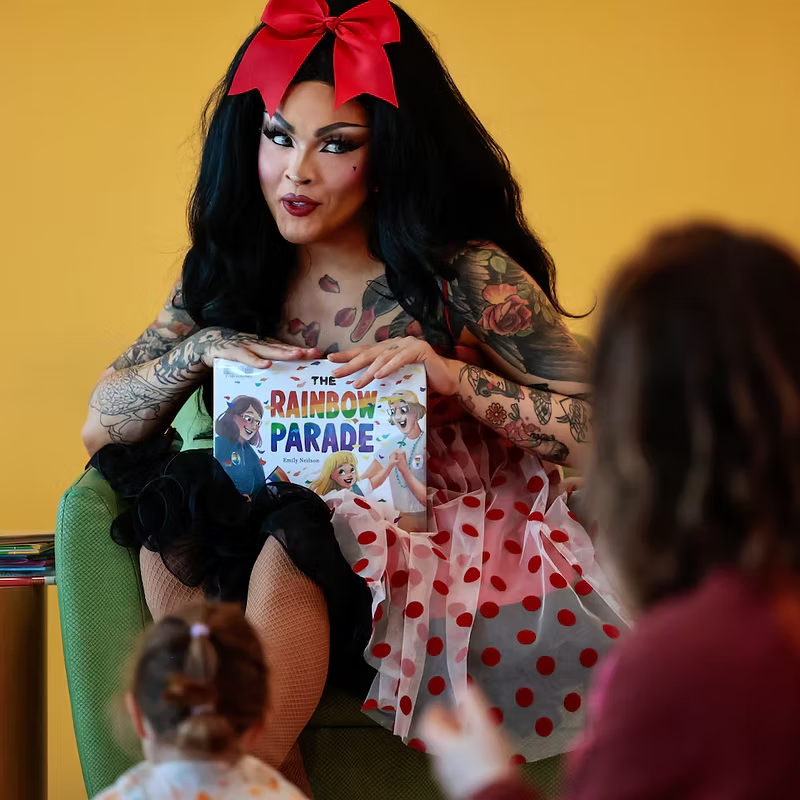
Supporters argue that introducing children to drag performers at an early age promotes acceptance and inclusivity. Yet Australia’s experience raises questions about whether such programs are necessary to achieve those goals. The generation that voted Yes in the 2017 same-sex marriage postal survey (61.6 per cent in favour) grew up with little or no exposure to Drag Queen Storytime programs, drag culture in children’s settings, or contemporary gender-fluidity concepts. Acceptance developed largely through personal relationships, media representation, and broader principles of fairness and equality.
If broad social acceptance of same-sex attracted people was already achieved without these programs, what additional objective is being pursued through the introduction of drag-based activities into libraries, childcare centres, and children’s events? Is the primary purpose reading promotion, or is it social messaging about gender and identity?
These questions deserve careful consideration before such programs become a routine feature of childhood institutions.
Child Development: The Critical Early Years
Opponents argue that these events can conflict with natural child development. Early childhood (ages 2–7) is a sensitive period.
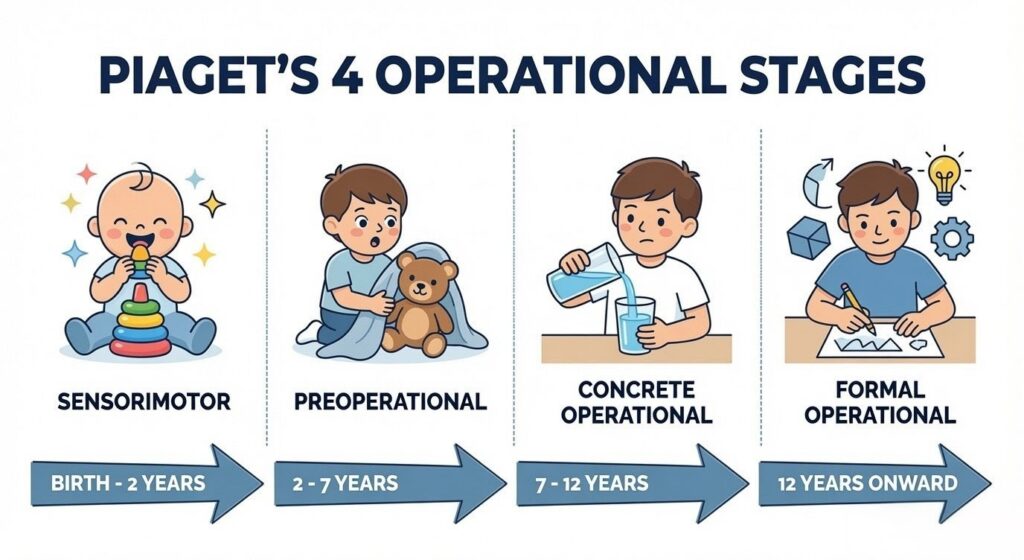
According to Jean Piaget’s Cognitive Development Theory, children aged 2–7 are in the Preoperational Stage. They are highly impressionable and learn primarily through observation and imitation. They form basic understandings of biological sex differences.
Erik Erikson’s Psychosocial Stages also highlight the importance of this period:
- Autonomy vs. Shame & Doubt (ages 1–3)
- Initiative vs. Guilt (ages 3–6)
Children in this age group typically experience a phase of gender rigidity, strongly preferring sex-based stereotypes as they consolidate their understanding of male and female categories.
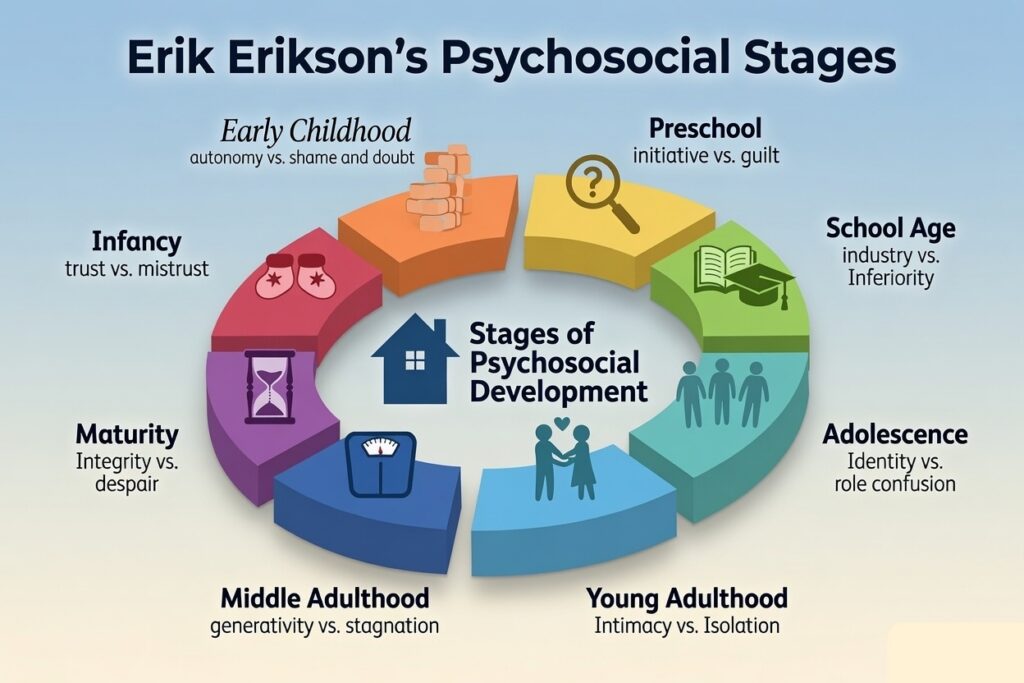
Critics argue that these events may intersect with important developmental stages in ways that deserve careful consideration.
There is currently limited long-term research examining the specific effects of Drag Queen Storytime on child development. However, questions remain about whether introducing concepts of gender non-conformity during these formative years is beneficial, neutral, or potentially confusing for some children.
Drag Queen Storytime Events in Tasmania
Women Speak Tasmania has consistently raised concerns about these events, arguing that presenting a biological male in exaggerated feminine performance — even in a toned-down “family-friendly” version — can blur important adult-child boundaries.
Key events in Tasmania include:
1. Cambridge Road Play and Learn Centre, Warrane, Hobart
In June 2022, local drag performer Anna’mal Tuckerbox was invited to read to toddlers and young children at the Cambridge Road Play and Learn Centre in Warrane, Hobart. The centre posted 18 photos of the event on its Facebook page shortly afterwards.
One of the photos from this event clearly shows “The Hips on the Drag Queen Go Swish, Swish, Swish” by Lil Miss Hot Mess lying next to the performer. This book is a deliberate parody of the children’s song “The Wheels on the Bus,” replacing the bus with a drag queen and encouraging children to imitate drag movements such as “hips go swish, swish, swish.”
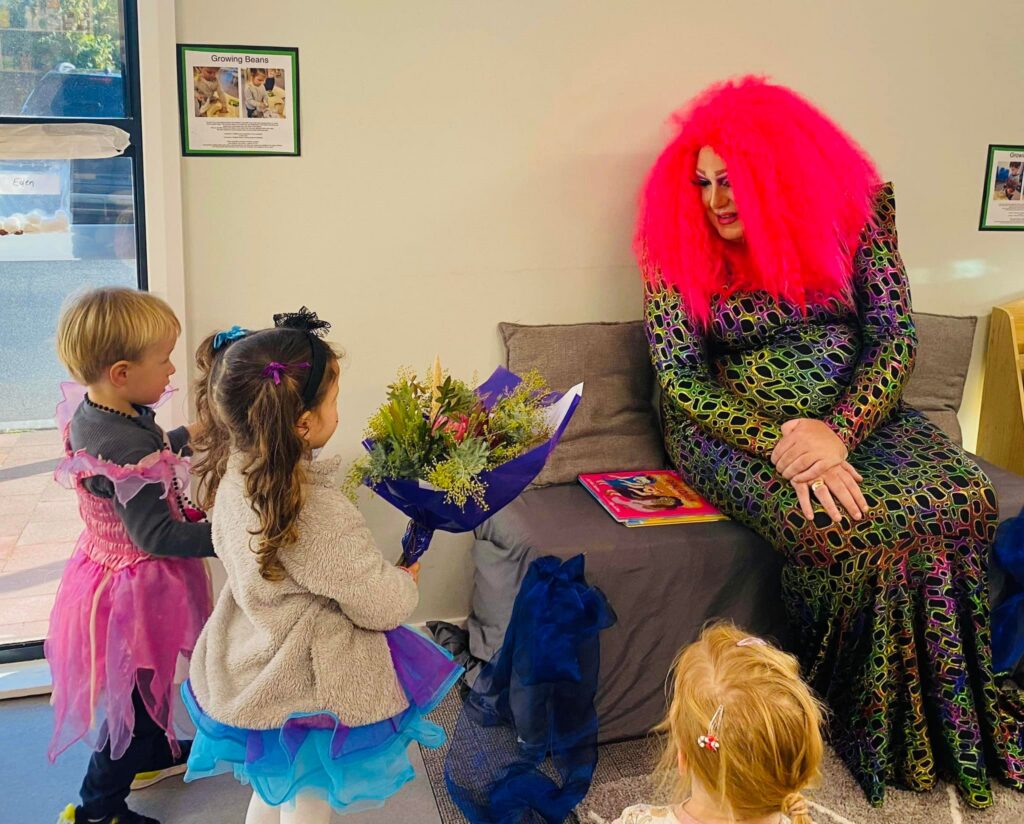
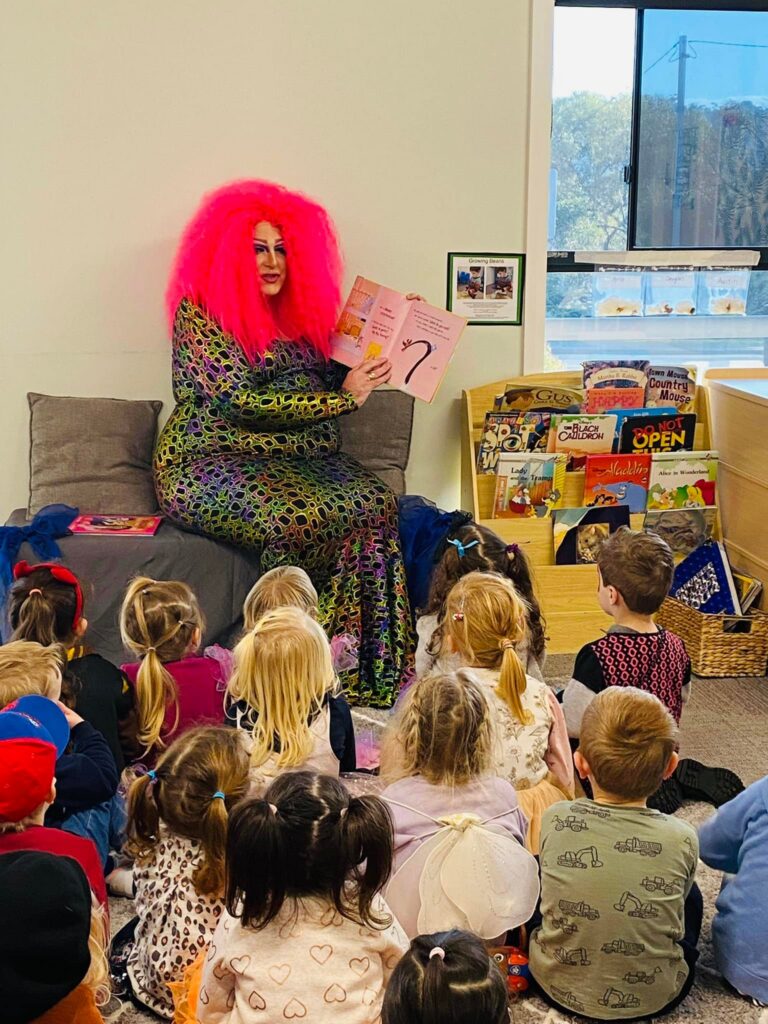
This event took place in a childcare setting for very young children and was one of the earliest documented Drag Queen Storytimes in Tasmania. It drew public criticism from concerned parents and groups such as Keep Gender Ideology Out of Schools and Women Speak Tasmania, who questioned the appropriateness of bringing adult drag culture into early learning environments.
2. Launceston Library
The highest-profile event occurred at Launceston Library on 15 February 2023. Tasmanian drag performer Pussáy Poppins (performing as Miss Poppins) hosted the first-ever Drag Storytime in a Tasmanian public library. Pussay read two books: Frockodile and Whitney & Britney Chicken Divas. Children were encouraged to dress up and wear tiaras.
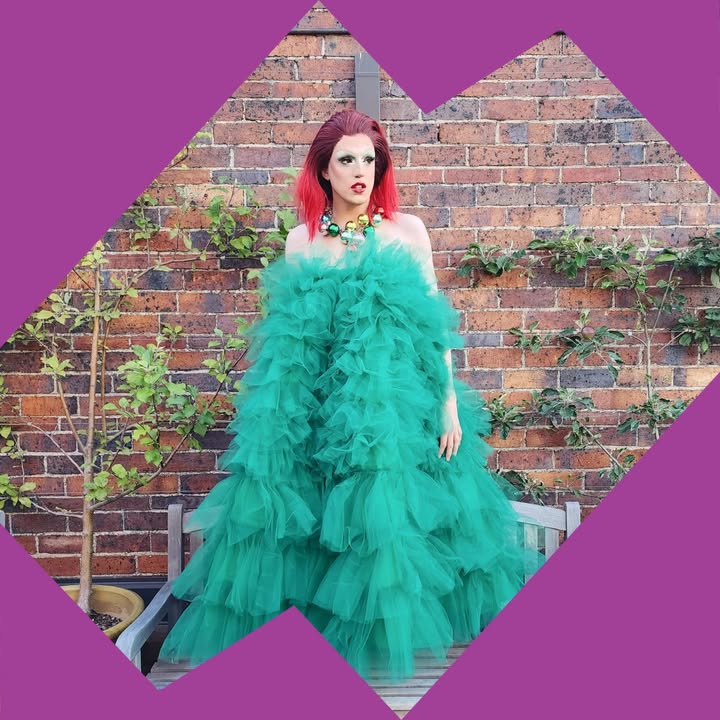
The event was ticketed and sold out. A large “welcoming party” of approximately 70 people organised by North West Pride was present, while a smaller group of around 10 people protested against the event. Despite being described by Libraries Tasmania and supporters as a success, this event has not been repeated in any Tasmanian public library in the more than three years since (as of mid-2026).
Youth and Teen Events: Beyond Storytime
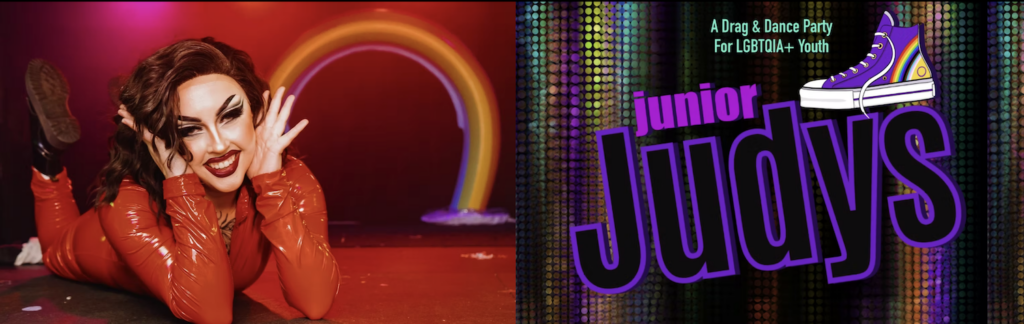
While Drag Queen Storytime primarily targets toddlers and preschoolers, drag performers in Tasmania are also actively involved in events aimed at older children and teenagers. The most prominent example is Junior Judy’s, a series of alcohol- and drug-free dance parties organised by Pussáy Poppins and her organisation Judy’s Tasmania. These events are specifically marketed to under-21s (primarily teenagers) and are promoted as safe, inclusive spaces for queer and questioning youth.
These youth events typically feature live drag performances, DJs, dancing, and stage shows in a party-style atmosphere. Although described as “family-friendly entertainment” and held without alcohol or drugs, they still centre around drag aesthetics and gender performance.
Adolescence is a period of significant social, emotional, and psychological development. According to Erik Erikson’s theory of psychosocial development, teenagers are navigating the stage of Identity vs. Role Confusion, during which they explore questions of identity, belonging, values, and future direction.
Critics argue that introducing drag-centred events into youth spaces raises legitimate questions about the influence of adult-derived performance cultures on developing understandings of sex, gender, identity, and personal boundaries. At a time when young people are navigating peer pressure, body image, sexuality, and consent, some parents and community members question whether drag culture is an appropriate vehicle for these discussions.
Supporters view such events as affirming and inclusive environments for young people. Critics view them as an unnecessary extension of an adult performance subculture into youth settings. The debate reflects broader disagreements about how questions of sex, gender, and identity should be approached during adolescence.
Safeguarding, Boundaries, and Public Concern
A core concern raised by many parents and child-development advocates is the importance of maintaining clear adult-child boundaries and protecting children’s developmental environment.
In child-protection practice, safeguarding refers to the measures and policies designed to protect children from harm, exploitation, inappropriate influence, and boundary violations. The underlying principle is simple: whenever adults are granted access to child-focused environments, the welfare and best interests of children must come first.
Early childhood is a critical period in which children learn fundamental concepts such as bodily autonomy, the distinction between public and private behaviour, and appropriate interactions with adults. Critics argue that introducing performers from an adult-oriented subculture into children’s spaces — even in a modified or family-friendly form — raises questions about whether those boundaries are being maintained clearly.
These concerns are heightened by broader safeguarding failures that have emerged across many institutions in recent decades. Schools, sporting clubs, churches, youth organisations, and community groups have all faced scrutiny regarding child-protection practices and risk management. Public confidence increasingly depends on transparency, accountability, and rigorous safeguarding standards.
Documented criminal cases involving individuals connected to Pride organisations or drag events have also contributed to public scepticism. These cases reinforce a broader principle: whenever adults seek access to child-focused environments, robust vetting, transparency, and child-protection measures should be expected.
The question is not whether drag performers are inherently dangerous. The question is whether an adult-derived performance subculture should be actively incorporated into children’s institutions and, if so, what clear benefits justify doing so.
Clear boundaries between adult entertainment and childhood spaces are not about fear or prejudice. They are about responsible safeguarding, age-appropriate environments, and ensuring that children’s developmental needs remain the primary consideration in public policy decisions.
Conclusion
The introduction of drag-based programs into libraries, childcare centres, and youth events represents a significant cultural shift. Rather than simply encouraging tolerance of differences, these programs actively expose children to particular forms of gender expression and identity. Whether that development is beneficial, unnecessary, or inappropriate remains a legitimate subject of public debate.
Supporters view these programs as a celebration of diversity and inclusion. Critics view them as an unnecessary introduction of an adult-derived performance culture into childhood spaces. Regardless of where one stands, the burden of justification should rest with those seeking to introduce such programs into institutions serving children.
If literacy, inclusion, and acceptance can be achieved through countless other community role models, the question remains: why drag?