
Local newspapers once played a vital role in Tasmanian communities. They were not simply businesses or platforms for headlines — they were forums where ordinary people could debate local issues, raise concerns, respond to public decisions, and feel connected to civic life.
Increasingly, many Tasmanians feel that role is disappearing.
As a women’s rights organisation advocating for sex-based protections and freedom of expression, Women Speak Tasmania has experienced this shift firsthand. Our members and supporters have often found their concerns framed through ideological labels rather than engaged with on their merits. But this issue extends well beyond any one organisation or topic.
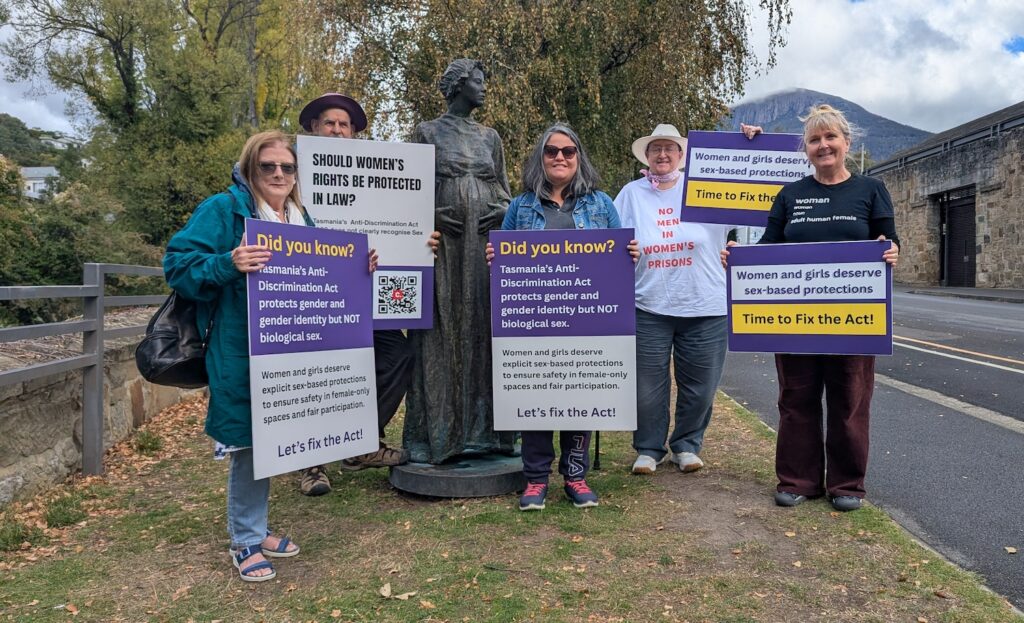
Across a range of contentious issues, many readers are noticing a broader pattern emerging in Tasmanian media: narrowing debate, selective framing, and the gradual sidelining of ordinary local voices.
The Decline of Community Debate
One of the clearest examples is the diminishing role of Letters to the Editor.
Many Tasmanians still take the time to write thoughtful responses on issues affecting their communities — child safeguarding, women’s rights, public facilities, education, local governance, and community safety. Yet opportunities for public participation appear to be shrinking.
The Examiner now publishes letters only in its Saturday edition, meaning responses to opinion pieces or current events can appear days later, long after meaningful discussion has moved on. Readers have also reported confusion regarding The Advocate’s handling of letters submissions, despite the newspaper continuing to invite community contributions online.
For generations, letters pages provided one of the few accessible ways for ordinary people — not politicians, activists, or institutions — to publicly express agreement, concern, or disagreement. Reducing those spaces weakens civic participation and distances newspapers from the communities they claim to represent.
The contrast becomes even more noticeable when local voices appear overlooked while commentary from outside Tasmania is prioritised instead.
When Reporting Becomes Narrative Management
Newspapers are entitled to editorial judgment, and no publication is obligated to publish every opinion or media release. However, readers reasonably expect balance and fairness on controversial public-interest issues.
Increasingly, many Tasmanians feel coverage on topics involving gender identity, women’s rights, and child safeguarding presents only one acceptable perspective, while dissenting views are framed as suspect, controversial, or inherently harmful.
This concern is not about disagreement. Public debate naturally involves disagreement. The concern is whether legitimate community perspectives are being excluded from meaningful discussion altogether.
Several recent examples illustrate why this perception is growing.
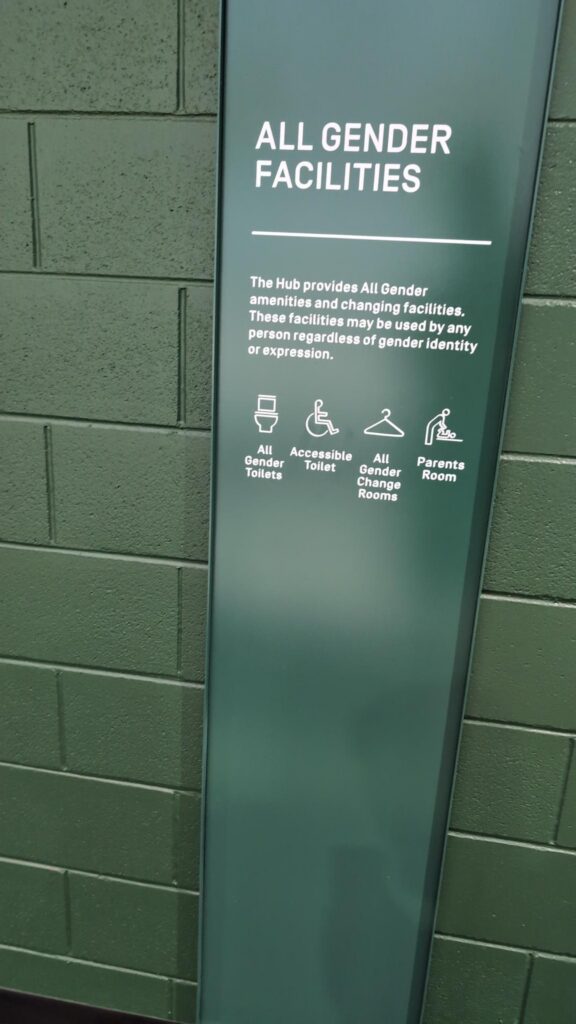
1.The Northern Hub and All-Gender Facilities
When concerns emerged regarding all-gender toilets and changerooms at the Northern Suburbs Community Hub in Mowbray, many parents and women questioned why no female-only facilities had been included in key areas of a major publicly funded project.
Women Speak Tasmania was approached for comment. Our response emphasised balance and practical accommodation:
“Providing for diverse needs does not have to mean removing single-sex facilities. Many venues successfully offer all-gender options in addition to separate male and female spaces. This accommodates transgender and non-binary individuals, families with young children, and people with disabilities, while preserving the safety, privacy, and dignity that single-sex spaces have historically provided for women and girls.”
The issue generated considerable community discussion online, including comments from local representatives. Yet meaningful follow-up coverage quickly disappeared despite the project continuing to expand.
Many readers are left asking: why are some local concerns pursued vigorously, while others quietly fade from view?
2. Coverage of Gender-Distressed Children
Another recent article profiled a support initiative for fathers of transgender-identifying children. The piece presented one perspective — that affirmation and transition are unquestionably beneficial — while excluding alternative viewpoints held by many parents, clinicians, and families internationally.
There was little acknowledgement that approaches to paediatric gender medicine are now being debated across several countries, including significant reviews and policy reconsiderations overseas and within Australia.
On such complex and deeply personal issues, readers expect journalism that informs rather than guides them toward a single approved conclusion. When only one perspective is consistently presented, the distinction between reporting and advocacy becomes increasingly blurred.
3. The Female Factory Protest
A further example was the peaceful protest held at the Cascades Female Factory Historic Site in April 2026. Women participating in the demonstration objected to the inclusion of transgender activist Martine Delaney in the site’s “Wall of Women” display, arguing that the historic experiences commemorated at the site were rooted in sex-based oppression specific to female convicts.
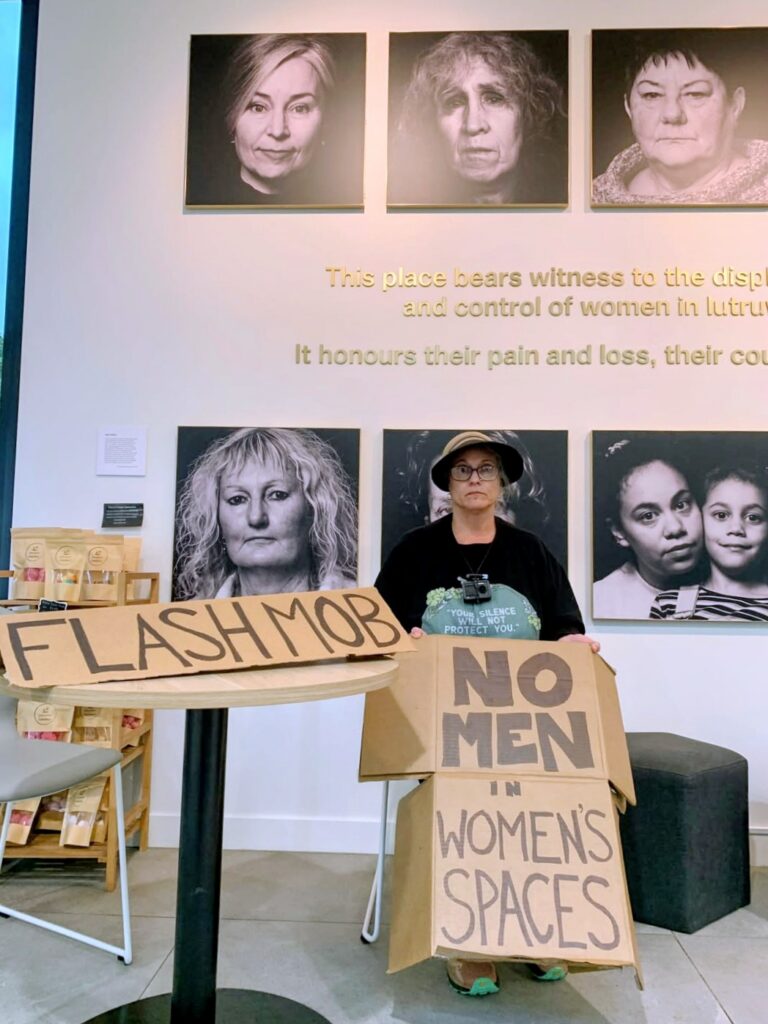
Regardless of whether one agrees with the protestors, the demonstration involved a lawful public action at a significant heritage site concerning an issue of ongoing public debate. Yet it received little meaningful mainstream coverage.
This contributes to a growing perception that some viewpoints are simply considered unworthy of public discussion.
Why Public Trust Matters
Tasmanian newspapers are operating in a difficult media environment. Declining advertising revenue, changing technology, and competition from social media have transformed journalism everywhere.
But trust also matters.
When readers feel their concerns are ignored, selectively framed, or excluded from debate, they increasingly turn elsewhere for discussion and information — community groups, independent media, social platforms, podcasts, and local online forums.
This should concern anyone who values strong local journalism.
A healthy media environment depends not on ideological conformity, but on public confidence that a wide range of lawful viewpoints can still be heard fairly and discussed openly.
Tasmanians do not all think alike, nor should they. But newspapers serve their communities best when they reflect the genuine diversity of public opinion rather than narrowing the boundaries of acceptable debate.
Local journalism remains essential. But if newspapers are to rebuild public trust and relevance, they must once again become places where communities see their own voices represented — even when those voices are uncomfortable, dissenting, or unfashionable.