
At Women Speak Tasmania, we are committed to advocating for the sex-based rights, safety, and dignity of women and girls, while also emphasizing the importance of child safeguarding and parental involvement in critical matters affecting young people. Our work often intersects with complex and sensitive debates on sex and gender, and we believe these discussions deserve thoughtful, balanced coverage in the media. Unfortunately, a recent article in The Mercury highlights how framing can influence public perception, even in straightforward reporting on legal proceedings.
On February 2, 2026, The Mercury published an article titled “Women Speak Tasmania claims discrimination over canned library forum.” The piece reported on our ongoing challenge before the Tasmanian Civil and Administrative Tribunal (TASCAT) regarding the cancellation of our event at Burnie Library and our complaints to the Anti-Discrimination Commissioner. We allege that Libraries Tasmania discriminated against us based on our political beliefs and activities, particularly after they effectively imposed a “permanent ban” on our use of public library spaces following prior cancellations.
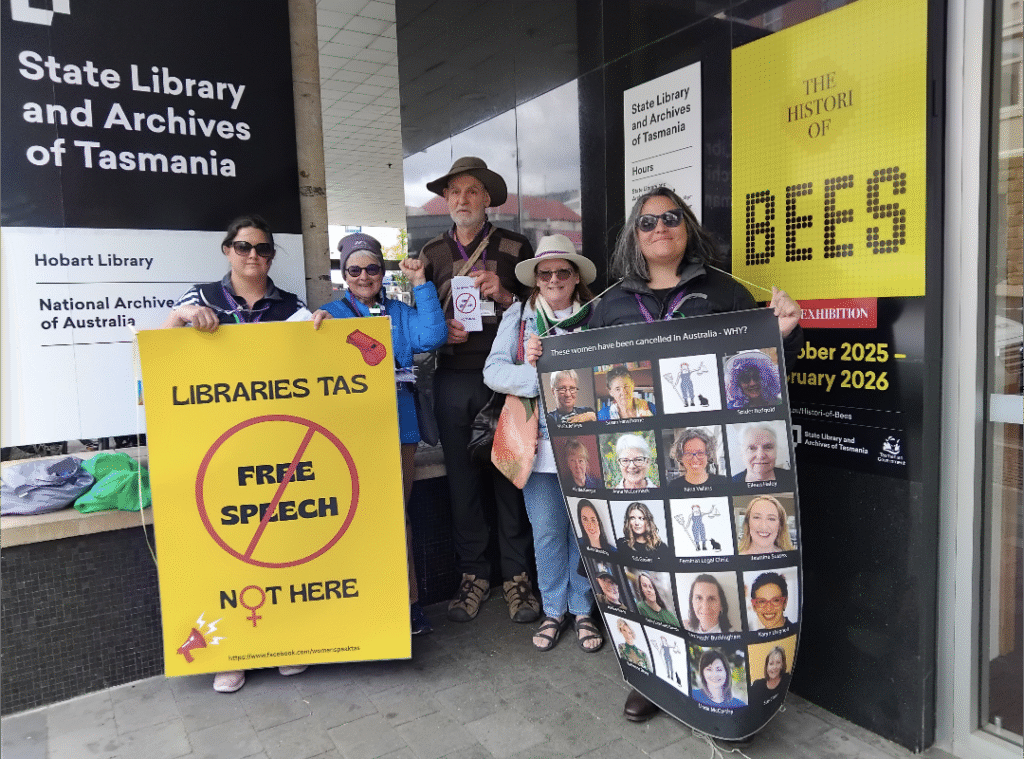
While the article accurately outlined some procedural aspects of the case—such as the Commissioner’s rejection of our complaints and the tribunal’s decision on a summons for internal documents—it framed our organisation and forums in a way that emphasized controversy without providing context or balance. Terms like “contentious views on sex and gender” and descriptions of our events as having “repeatedly sparked controversy over trans issues” could lead readers to form preconceived notions, potentially portraying us as antagonistic rather than as advocates for evidence-based dialogue on women’s rights and child protection.
We were not contacted for comment prior to publication, which meant our perspective—rooted in promoting fair access to public spaces and procedural justice—was absent. This omission risks presenting a one-sided narrative, especially in a matter still before the tribunal. On February 25, we emailed The Mercury‘s editor, Craig Herbert, requesting a correction to note the lack of contact, an opportunity for a right of reply, and consideration of updates to the online version. His response explained that it is not their practice to seek comment on matters before courts or tribunals, and they declined our requests, stating they would report further developments as they arise.
We respect the challenges of court reporting and the need to avoid prejudicing proceedings. However, neutral framing is essential to ensure readers can draw their own conclusions based on facts, not guided by loaded language or incomplete accounts. Media outlets play a vital role in informing the public, but when reporting tilts toward highlighting “clashes” or “bitter” disputes without equal space for all sides, it can undermine trust and polarize debates. In our view, good journalism should strive for balance, allowing organizations like ours to clarify our mission and positions, particularly when we are central to the story.
This case is about more than one event—it’s about ensuring public institutions like libraries remain accessible to diverse viewpoints without discrimination. As our matter proceeds to public hearings in TASCAT, we invite media, including The Mercury, to engage in good faith. Accurate, impartial coverage will help foster informed public discourse on these important issues. We remain open to providing background and statements to journalists to support fair reporting.