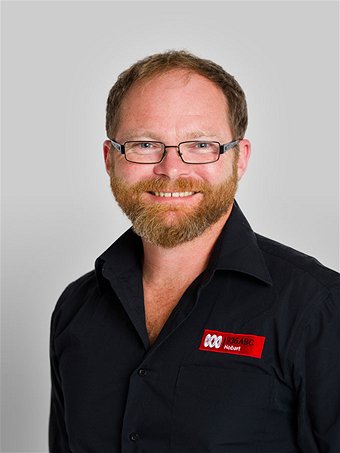
On 9 June 2023, ABC journalist Leon Compton appeared on The Drum and made an extraordinary admission. He questioned whether dissenting views should be aired at all:
“As a journalist it’s sometimes hard because you want to air a balance of perspectives but what perspectives are reasonable to air? Particularly those that dress up opposition, particularly in the most recent cases to drag queens or to dealing with trans issues. You ask yourself, are we just dealing with a continuum of those opposed to civil rights… Is it better to have NO debate at all than to have a debate which might be really damaging for that young gay or young trans person growing up and listening to that as the adults have a fight about something that is often a clash of civilizations or some big battle of faith while there are human ears, young ears, listening to that?”
Framing Dissent as Bigotry
Compton’s framing is revealing. Rather than seeing women’s rights concerns, safeguarding issues, or medical debates about gender dysphoria as legitimate, he equates dissenting voices with those who opposed civil rights or same-sex marriage. This rhetorical move casts any disagreement as regressive, hateful, or harmful, effectively ruling it out of public debate.
Such an approach undermines one of journalism’s core functions: to facilitate open, informed dialogue on contested social questions. By conflating debate with harm, Compton justifies censorship in the name of protection.
What Gets Lost
This attitude has real consequences for Tasmanians:
- Women’s rights issues go unheard, particularly where sex-based protections conflict with gender identity laws.
- Safeguarding concerns for children in education and healthcare are sidelined.
- Medical dissent from respected clinicians and international reviews (such as the Cass Review in the UK) is ignored.
- Parents and educators are denied access to a full range of perspectives, leaving them less informed.
The Free Speech Paradox
The irony is clear: by claiming to protect vulnerable groups from “harmful” debate, journalists like Compton risk creating an intellectual monoculture where only one viewpoint is considered acceptable. This doesn’t protect society; it impoverishes it.
Free speech means hearing views we may disagree with. It means trusting citizens to discern truth from error. And it means acknowledging that complex issues like gender identity and safeguarding require robust, respectful debate—not silencing.
Why It Matters
If ABC journalists adopt a position that “it is better to have no debate at all”, then we no longer have journalism—we have advocacy. And advocacy, however well-intentioned, cannot substitute for the public’s right to a full, balanced conversation.
Democracy demands dissent. Women, children, and indeed transgender people themselves are not served when difficult questions are brushed aside as “unsafe” or “harmful.” We deserve better.