
Introducing Teddy is a children’s picture book published in 2016, written by Jessica Walton and illustrated by Dougal MacPherson. It is aimed at very young readers, typically aged 4–8, and is often described as a gentle, affirming story about friendship, identity, and acceptance.
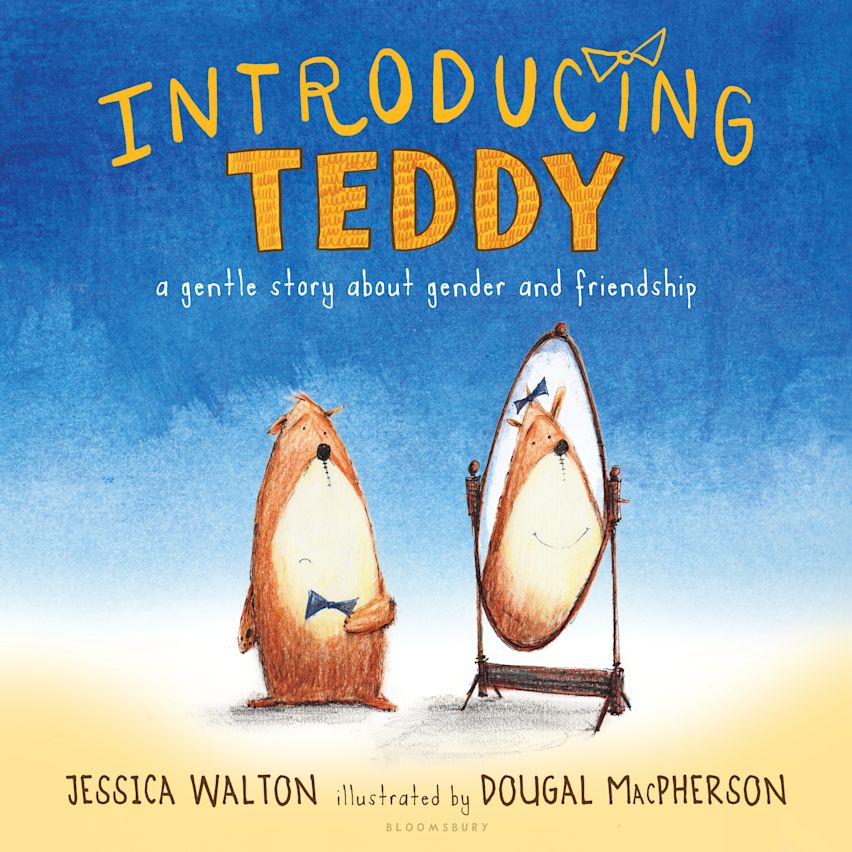
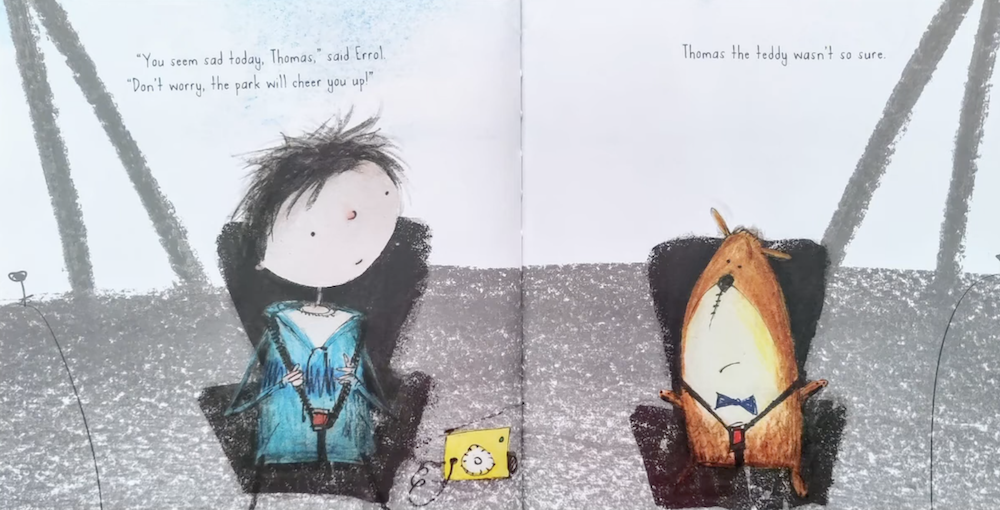
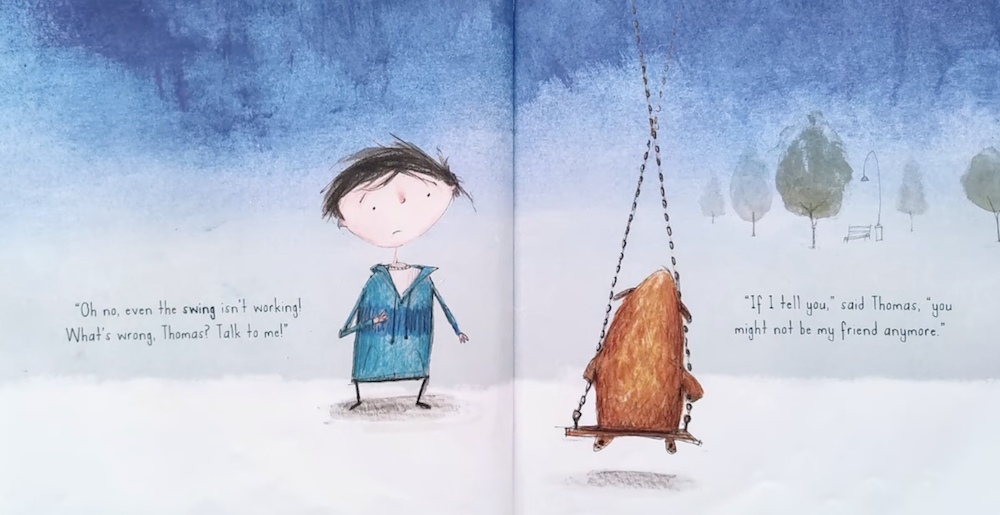
The story centres on a teddy bear named Teddy, who belongs to a child called Errol. Errol loves Teddy unconditionally and treats him as a cherished companion. One day, Teddy tells Errol that although he looks like a boy teddy bear, he feels he is really a girl. Errol listens, accepts this without question, begins using she/her pronouns, and supports Teddy in changing its name. The book ends on a warm note, emphasising love, kindness, and friendship.
On the surface, Introducing Teddy appears to be a simple story about acceptance. It is currently stocked in at least one Tasmanian school library for early childhood students, where it is likely to be read to children who are still learning very basic concepts about the world—including the difference between boys and girls.


This is where reasonable concerns arise.
Children in early childhood are at a developmental stage where they are forming foundational understandings of biological reality. Introducing the idea that someone can simply change sex—presented as uncomplicated and entirely positive—risks creating confusion at an age when children are highly impressionable. The book affirms Teddy’s declaration without any exploration of uncertainty, limits, or alternative explanations, framing identity as something that overrides physical reality.
While Introducing Teddy does not mention medical interventions, the broader cultural context cannot be ignored. In the real world, the idea of “affirmation” for children experiencing gender distress can lead to pathways involving puberty blockers, lifelong hormones, infertility, and, for some, major surgery. These are serious, irreversible outcomes that a young child cannot possibly understand.
The teddy bear in the story does not face consequences—and neither does the child listening to it. But that absence of complexity is precisely the concern. Teaching kindness, empathy, and respect for others does not require teaching very young children that sex is changeable or that inner feelings always override biological reality.



This raises an important question for parents and educators alike:
Are we simply teaching children to be kind, or are we introducing concepts that go beyond their developmental capacity—concepts with serious lifelong implications?
Wanting children to treat others with compassion is uncontroversial. Whether early childhood education should introduce contested ideas about sex and identity, without parental knowledge or consent, is a question that deserves careful, transparent discussion.