
Parents are not bystanders in child protection — they are the first line of defence against harm. The National Principles for Child Safe Organisations, endorsed by all Australian governments, make this clear: families hold the primary responsibility for their children’s safety, wellbeing, and moral development.
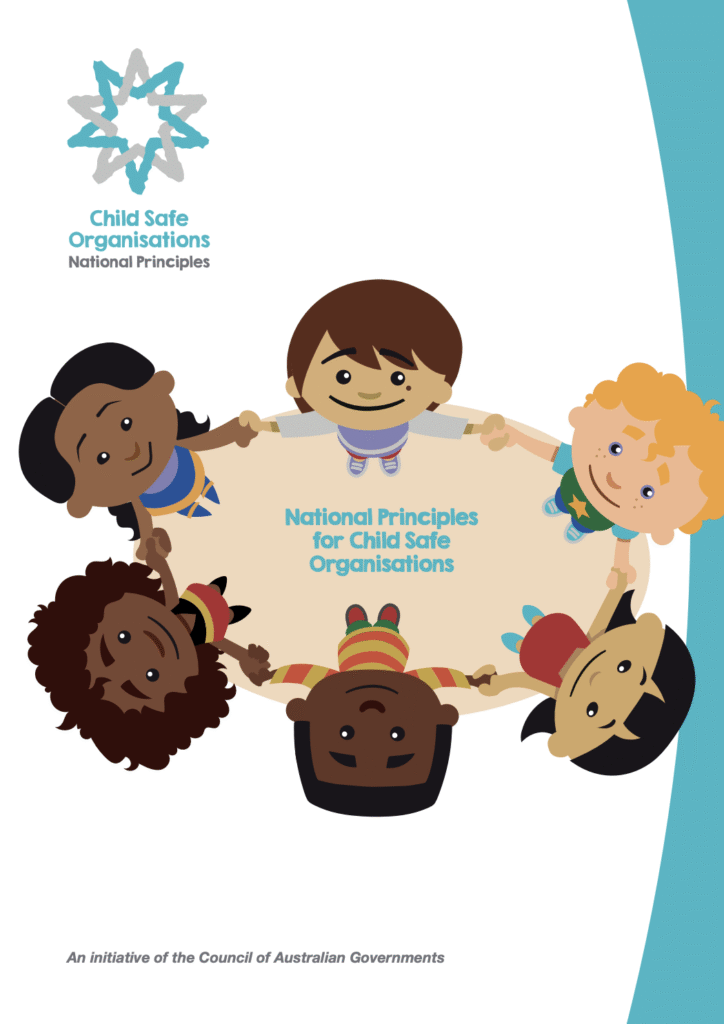
A genuine child-safe culture requires more than policies on paper. The National Principles outline ten key standards that every organisation working with children must uphold — including schools, community programs, and health providers. These standards call for:
- Committed leadership and governance that embed safeguarding at every level of decision-making.
- Transparency and accountability, with open communication between institutions and families.
- Family and community participation in designing, reviewing, and monitoring child-safety policies.
- Accessible complaints processes and clear reporting pathways when concerns arise.
- Ongoing education and training so staff understand both their legal duties and the central role of parents.
Principle 3 is especially important: families must be informed, consulted, and involved in decisions affecting their children. This includes all wellbeing, sexuality, and gender-related programs delivered in schools — whether by the Department for Education or external organisations such as Family Planning Tasmania and Working It Out.
Parents have the right to review materials, understand program content, and decide whether participation is appropriate for their child’s developmental stage and family values.
Parents’ Voices Matter
For real safeguarding to work, parents must be treated as key stakeholders in education and policy. Principle 3 affirms that families must be included in the creation and oversight of programs that claim to promote wellbeing or safety.
Embedding parental participation in Tasmanian policy isn’t optional — it’s essential. When parents, educators, and government work together in transparency and trust, children are better protected and the community is stronger.
Safeguarding starts with partnership — and parents must always stand at its centre.