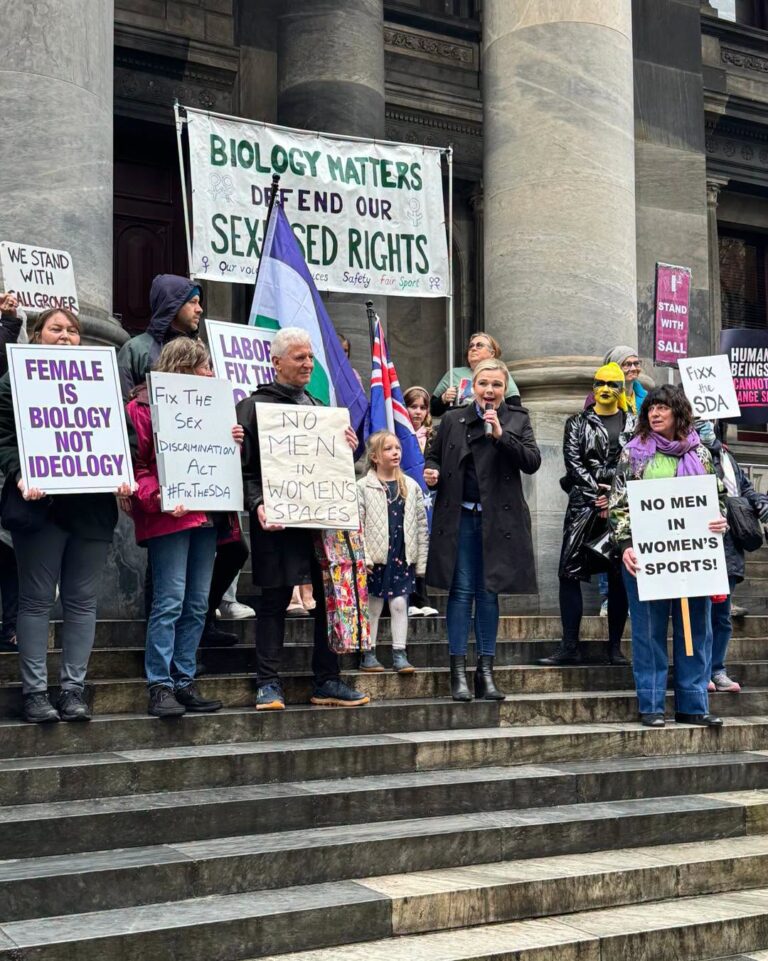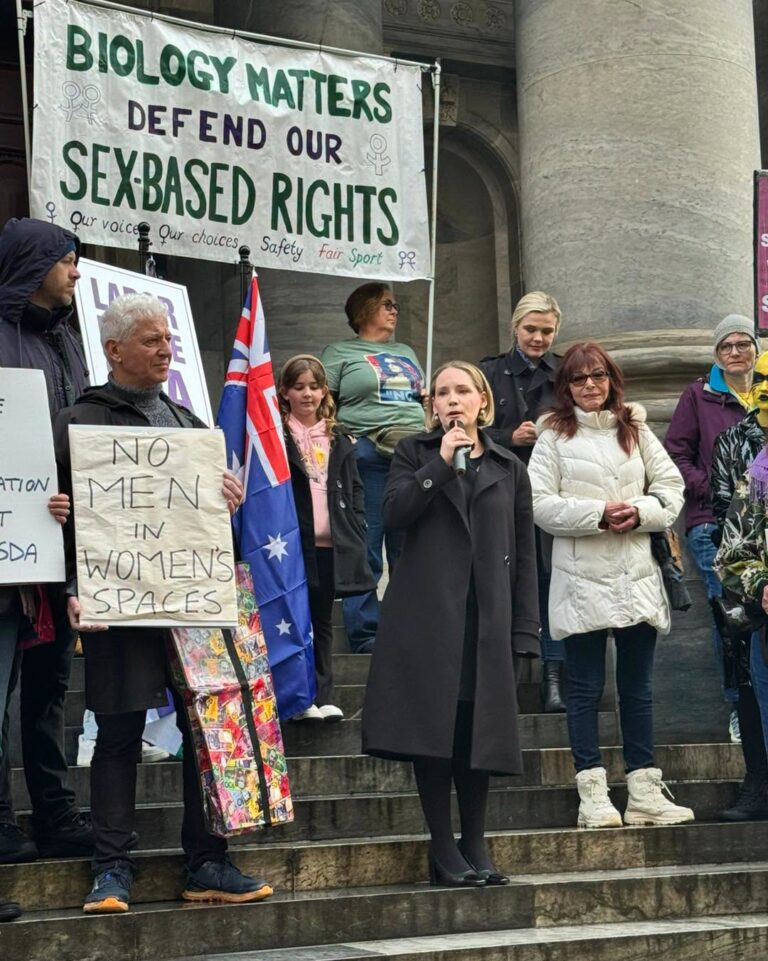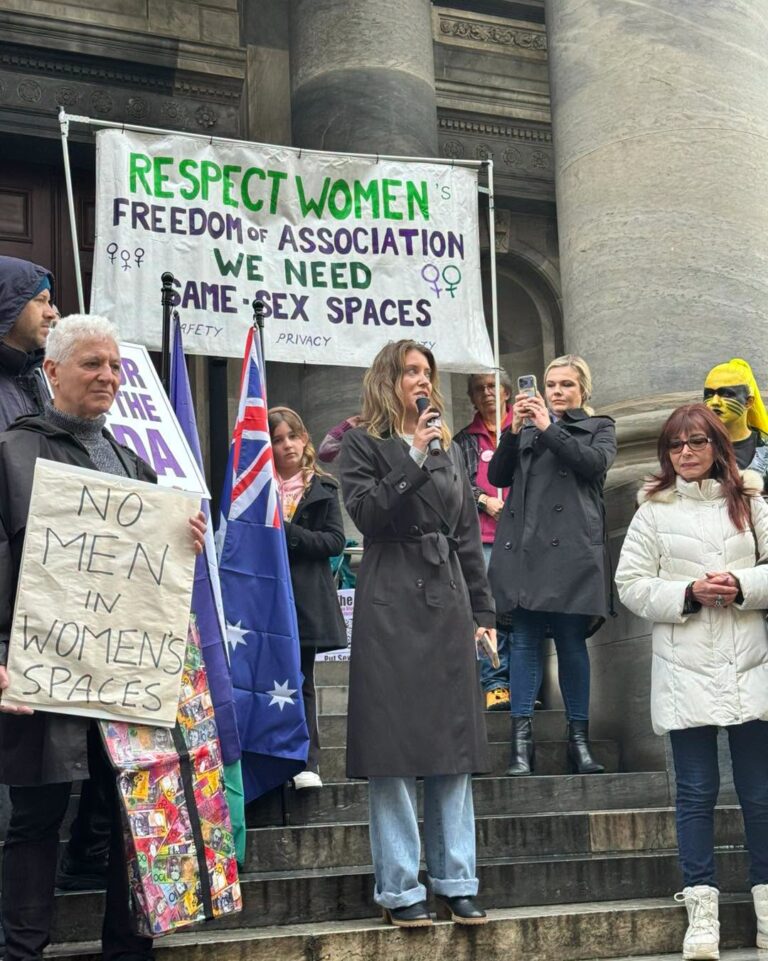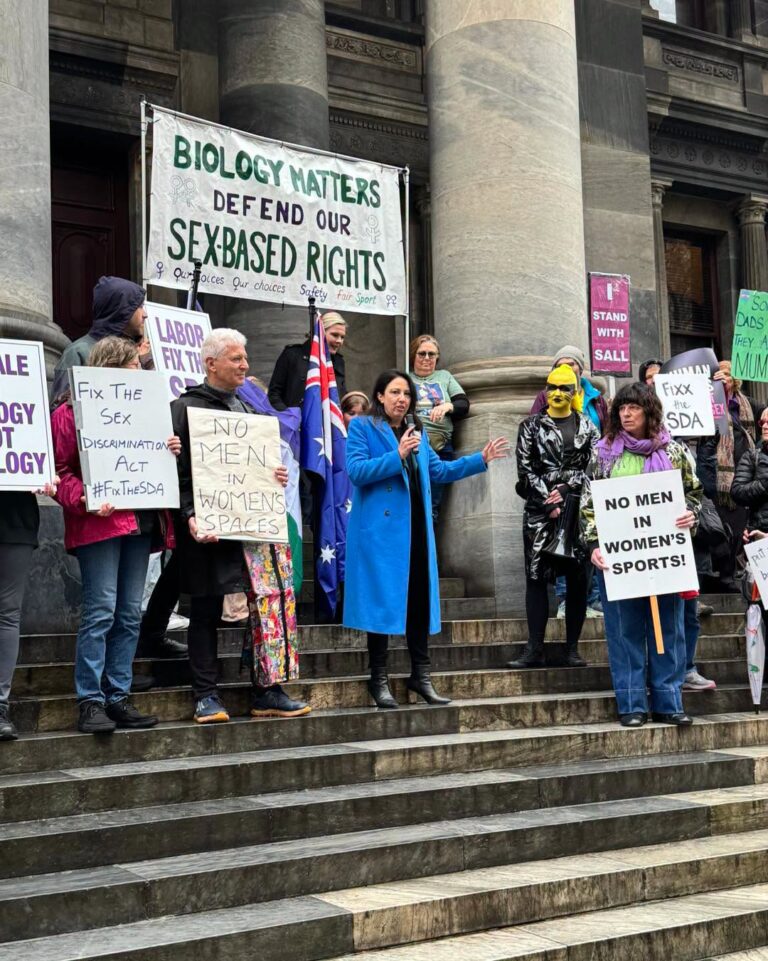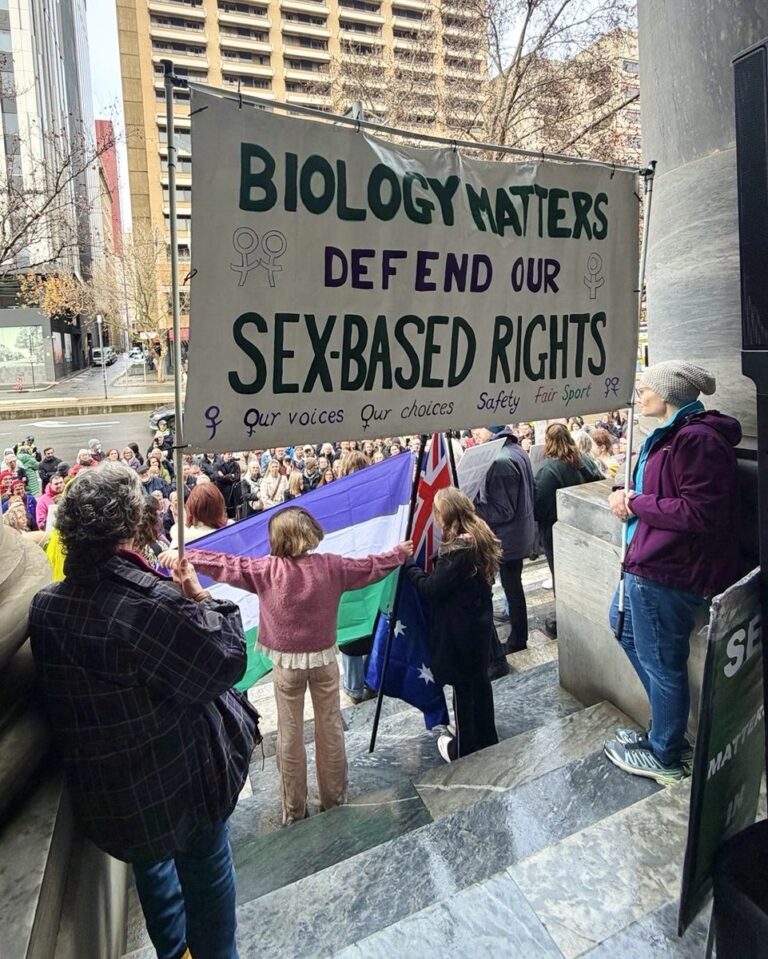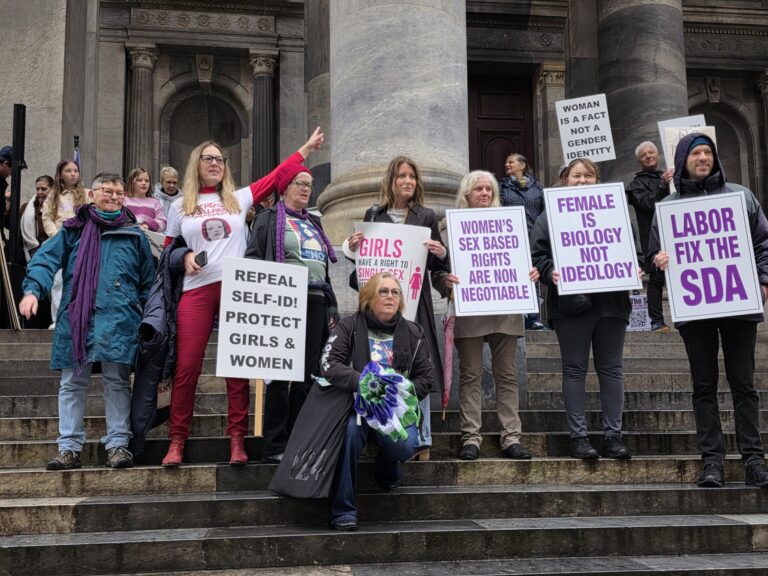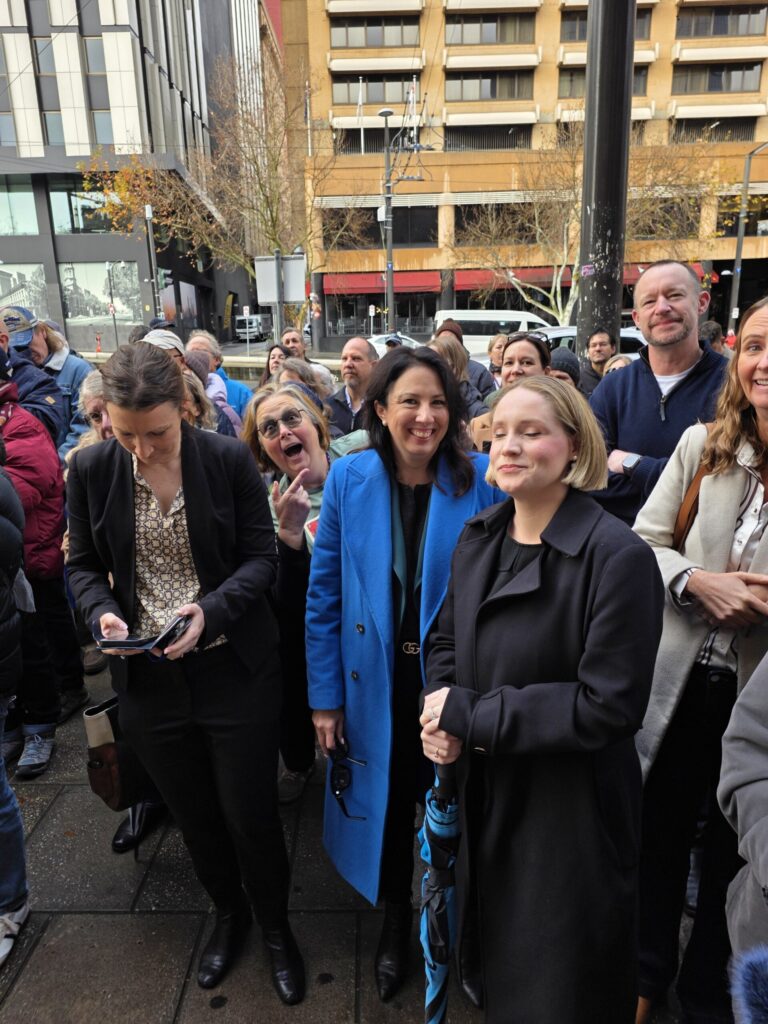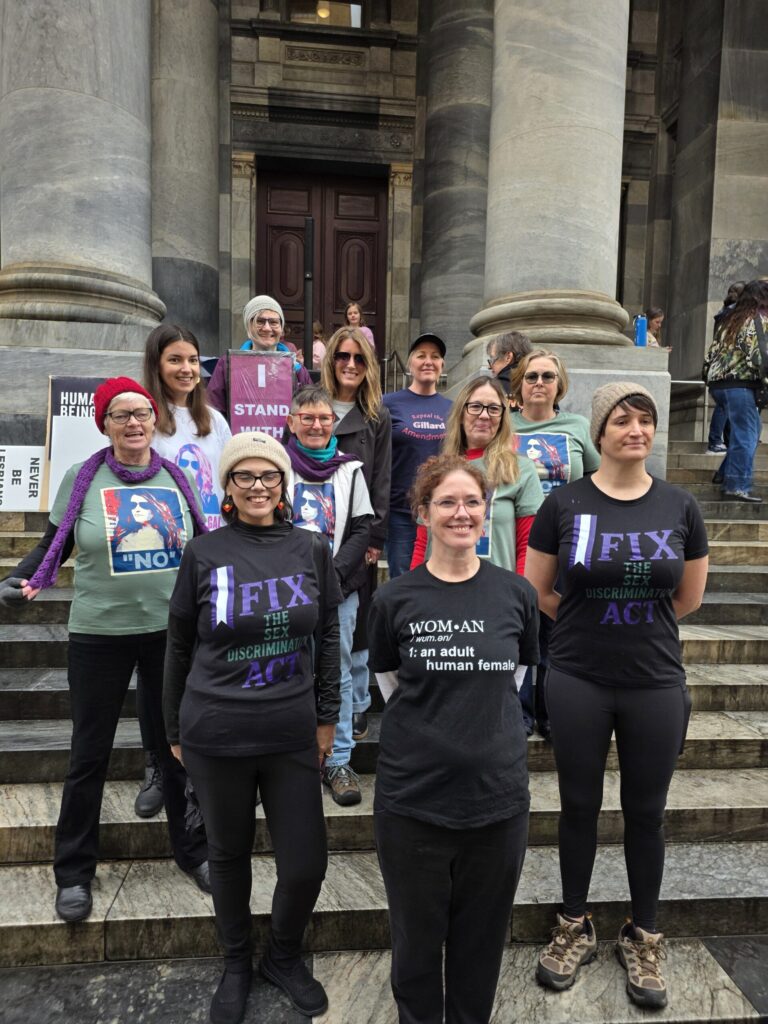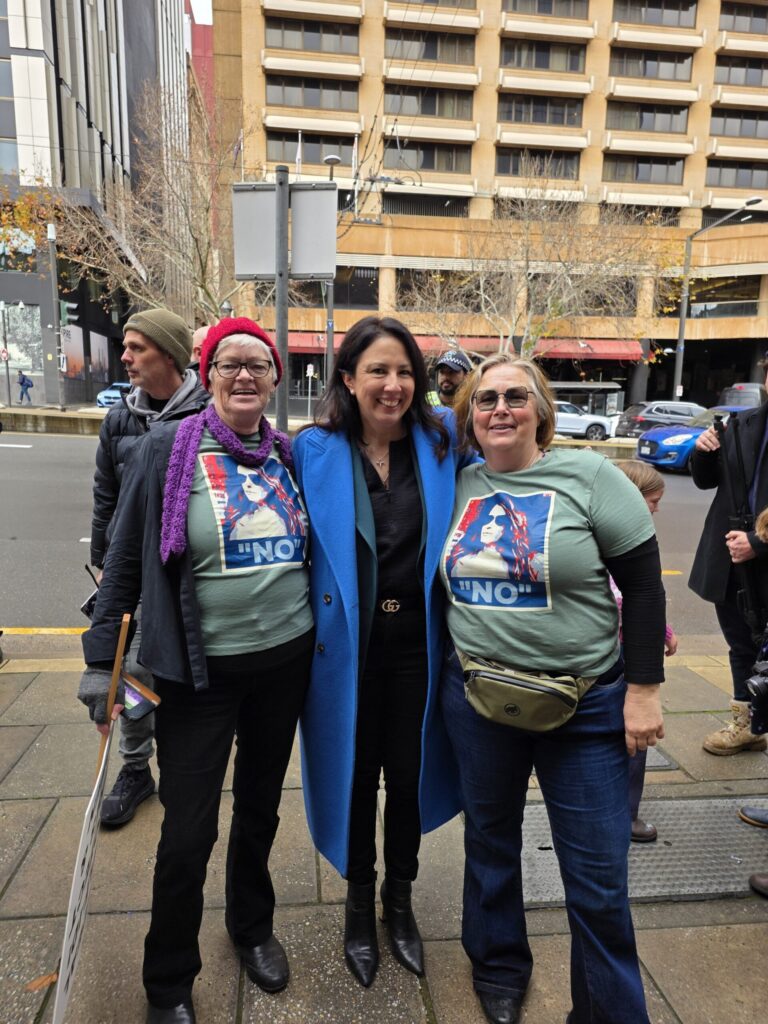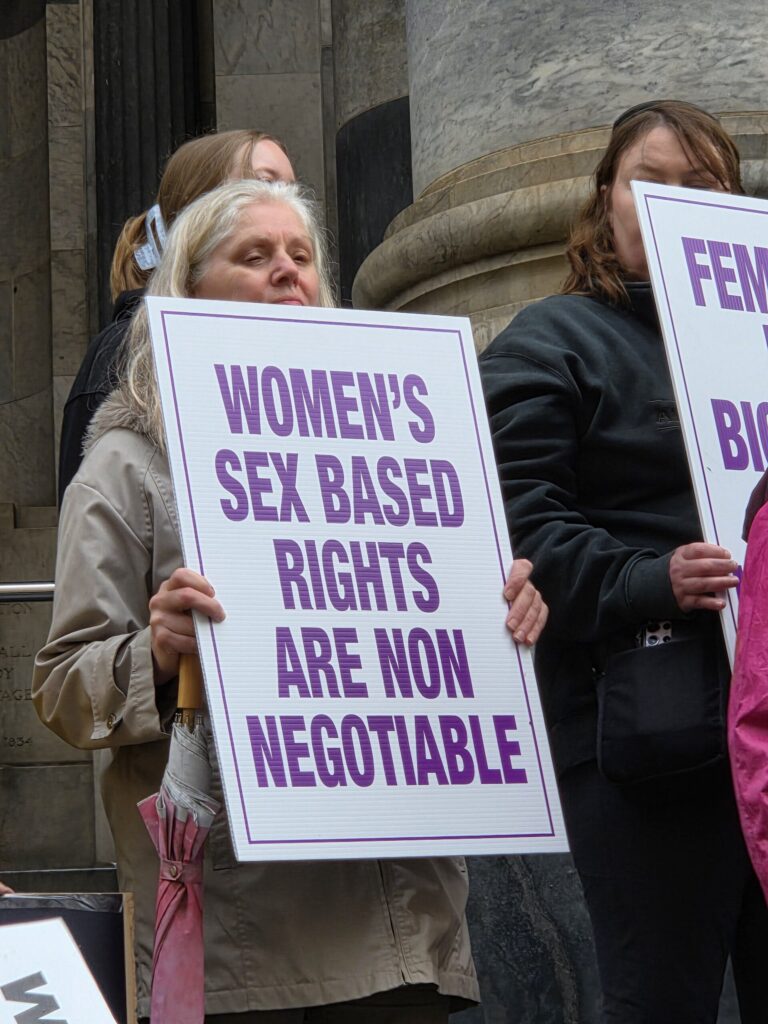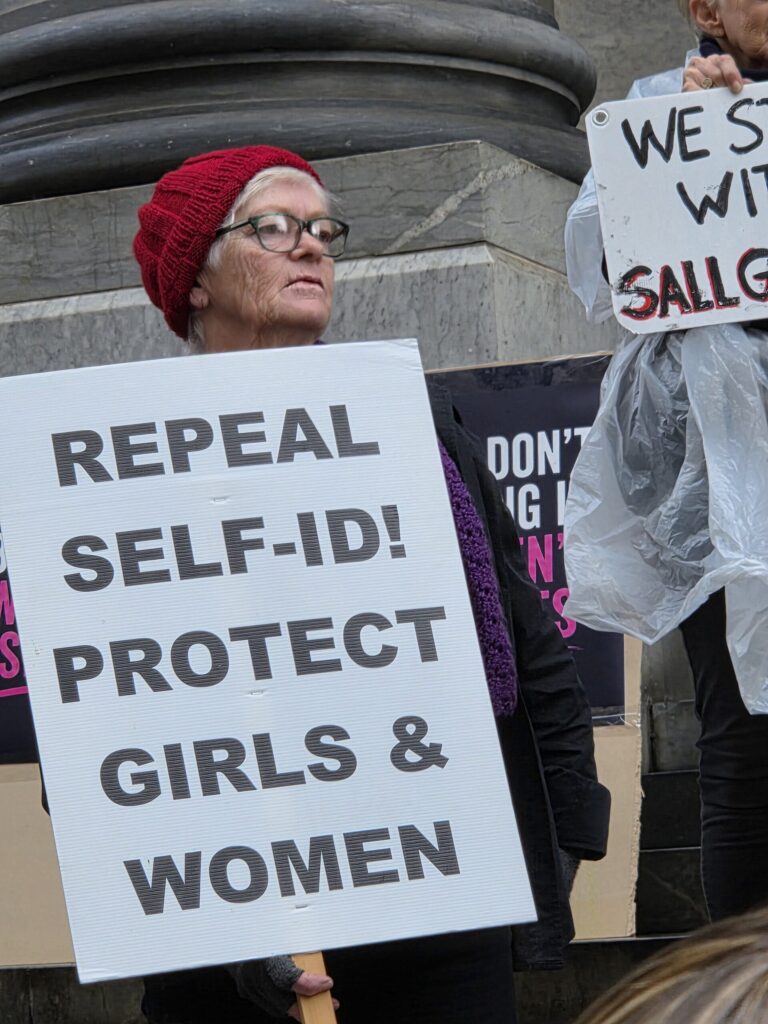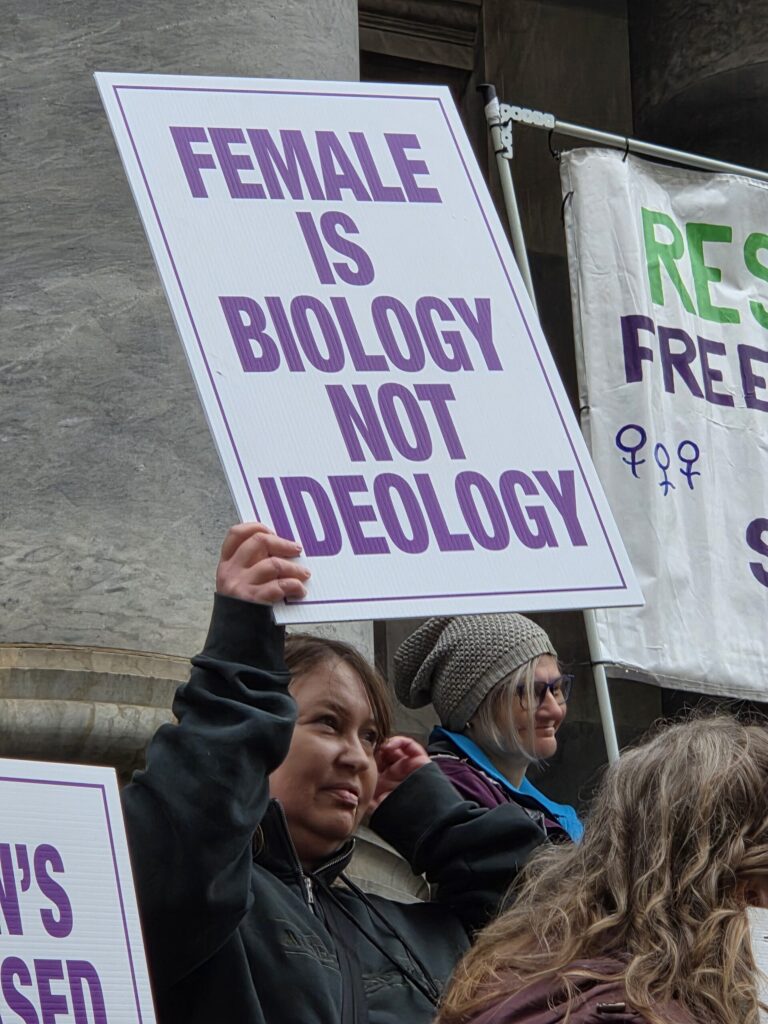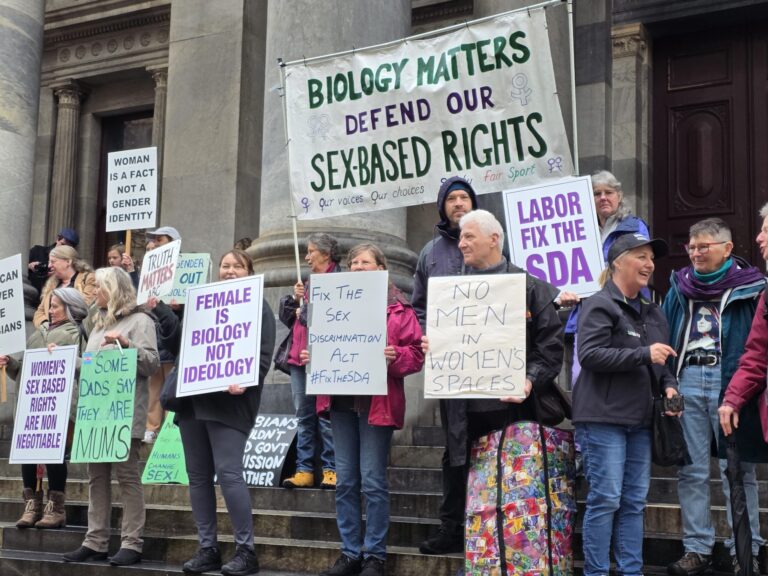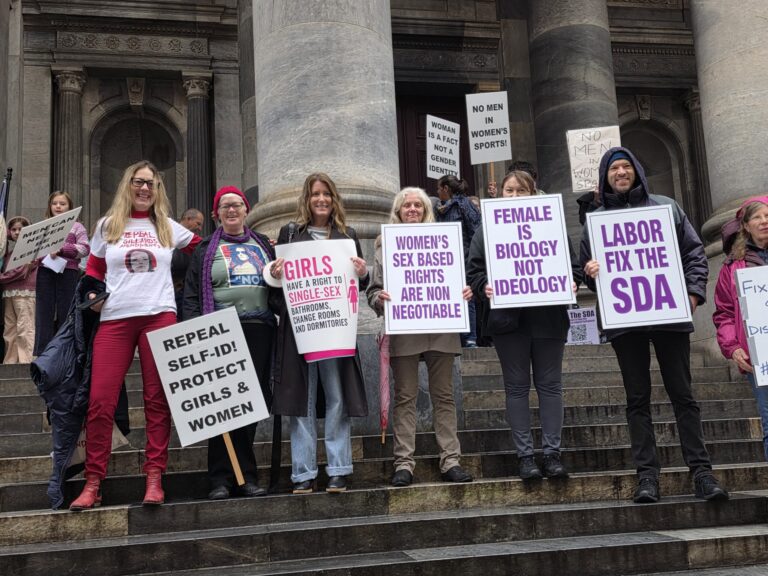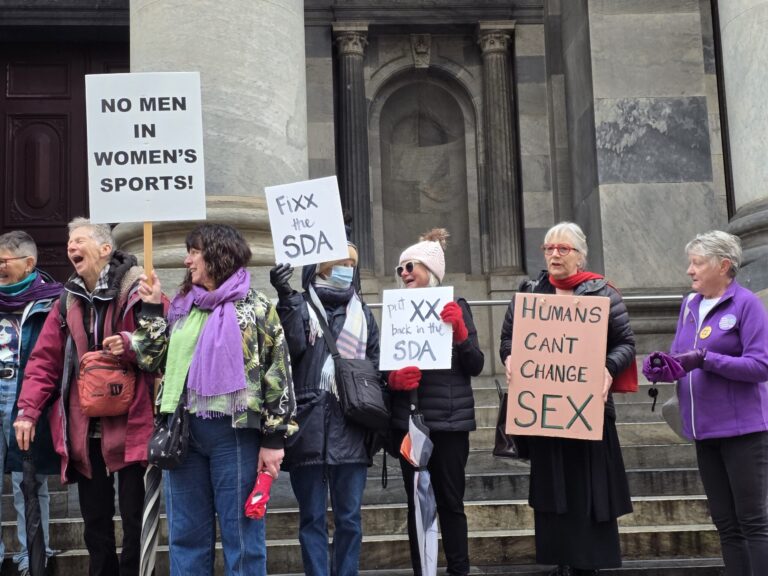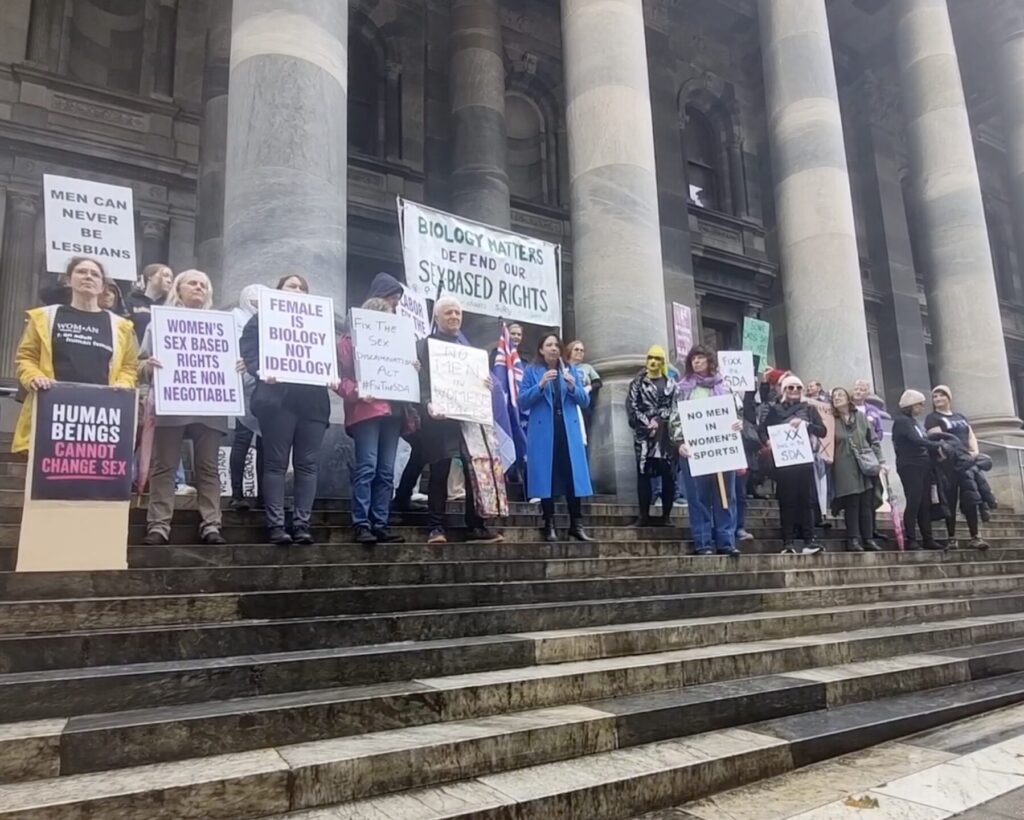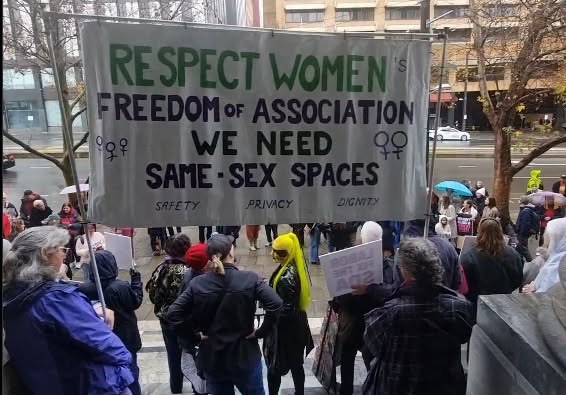
On Saturday 25 July 2026, hundreds of people gathered on the steps of Parliament House in Adelaide to call for the restoration of women’s sex-based rights. Despite the threat of rain, women, men, parents, students and parliamentarians stood together under the banner “Fix the Act!.”
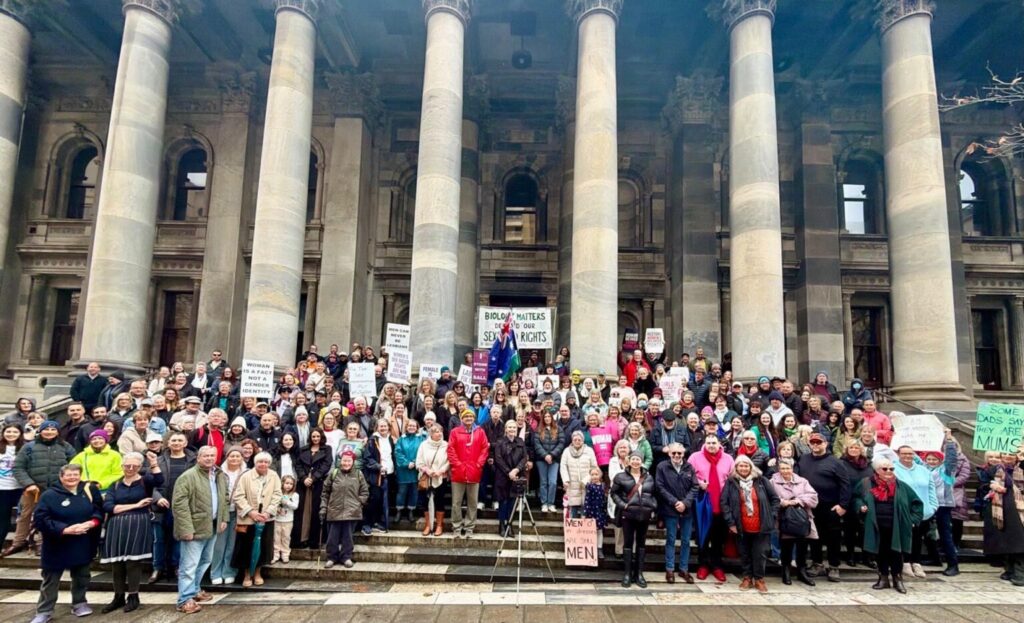
The Adelaide rally was organised by Women’s Forum Australia and formed part of a series of similar events held across Australian cities in recent weeks. Rallies in Melbourne, Perth and Brisbane had already taken place as part of the same national campaign, all focused on the same clear demand: that the Sex Discrimination Act 1984 be amended so women and girls are once again protected on the basis of biological sex.
The gathering featured a diverse line-up of speakers, including politicians from across the political spectrum, parents, community advocates and women’s rights campaigners. Special guest speaker Sall Grover, founder of the women-only social networking app Giggle, opened the rally alongside Senator Leah Blyth, Rebekha Sharkie MP, Rebecca Hewett MLC, Sarah Game MLC, Laura Henderson MLC and several other speakers who addressed the crowd throughout the morning.
Sall Grover: “This is a legal war”
Opening the rally, Sall Grover spoke about her ongoing legal challenge following the Full Federal Court’s decision in Tickle v Giggle, for which she is seeking special leave to appeal to the High Court.
Grover argued that the issues raised by her case extend well beyond her own circumstances and reflect broader concerns about the interpretation of Australia’s anti-discrimination laws.
She referred to two recent cases that, in her view, show the practical consequences of the current legislation. One involved Nomes Witney, founder of Queens – Pole & Pilates on the Gold Coast, Queensland, who is being taken to court after refusing to allow a trans-identified male into her women-only pole dance studio. The other was the NSW Supreme Court decision the day before the rally, which ordered women’s sports advocate Kirralie Smith to pay $95,000.
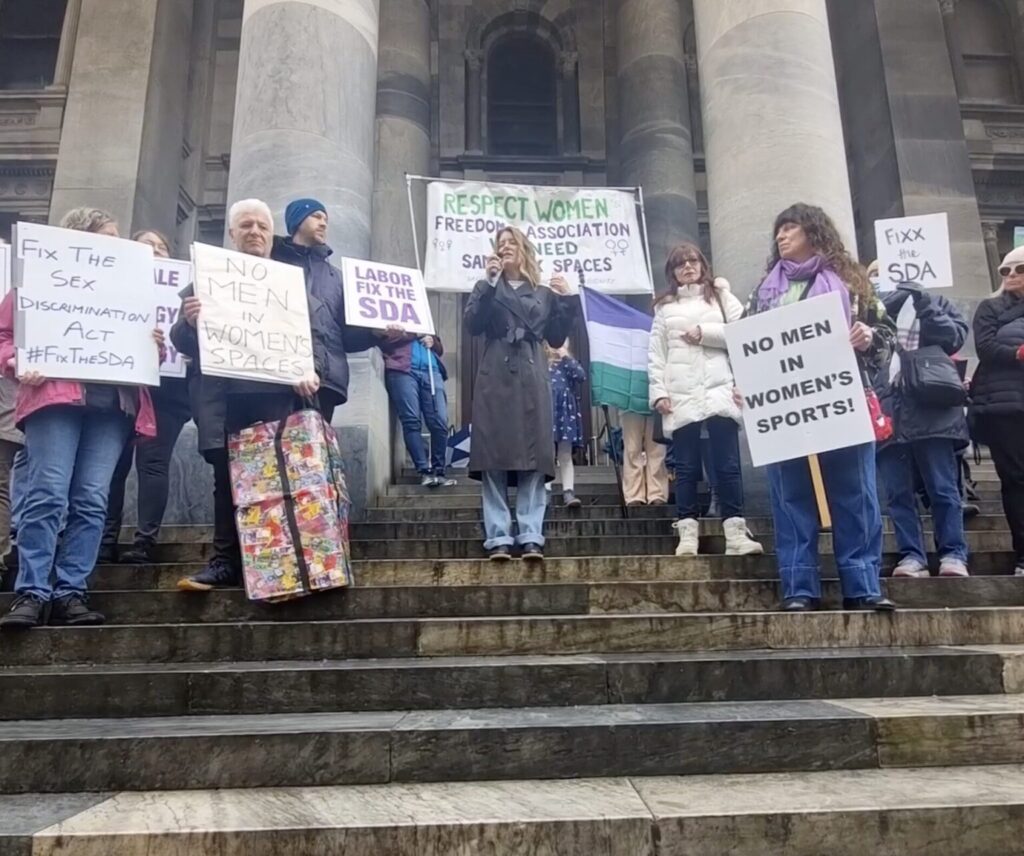
Rejecting suggestions that the debate is simply part of a “culture war”, Grover told the crowd:
“This is not a culture war. It is a legal war that we are fighting. And as the Prime Minister, it is his job to fix bad legislation.”
Reflecting on a meeting with Minister for Women Katy Gallagher, Grover argued that women’s rights should never depend on the number of people advocating for them.
“Even if there were only three women in this country who wanted rights on the basis of sex, those women would have to be heard. But it’s not just three; it’s the majority of the country.”
She concluded by encouraging supporters to continue writing to Members of Parliament and Senators and to keep advocating until the Sex Discrimination Act once again clearly protects women on the basis of sex.
A Mother’s Call to Protect Girls
One of the morning’s most personal and powerful speeches came from Adelaide mother Zoe Jones, who described how her 12-year-old daughter and around 40 other girls at her Catholic school had raised concerns about sharing toilets and sporting activities with biological boys.
Jones said the girls’ concerns were dismissed rather than addressed, leaving many feeling that their privacy and dignity had become secondary to ideology.
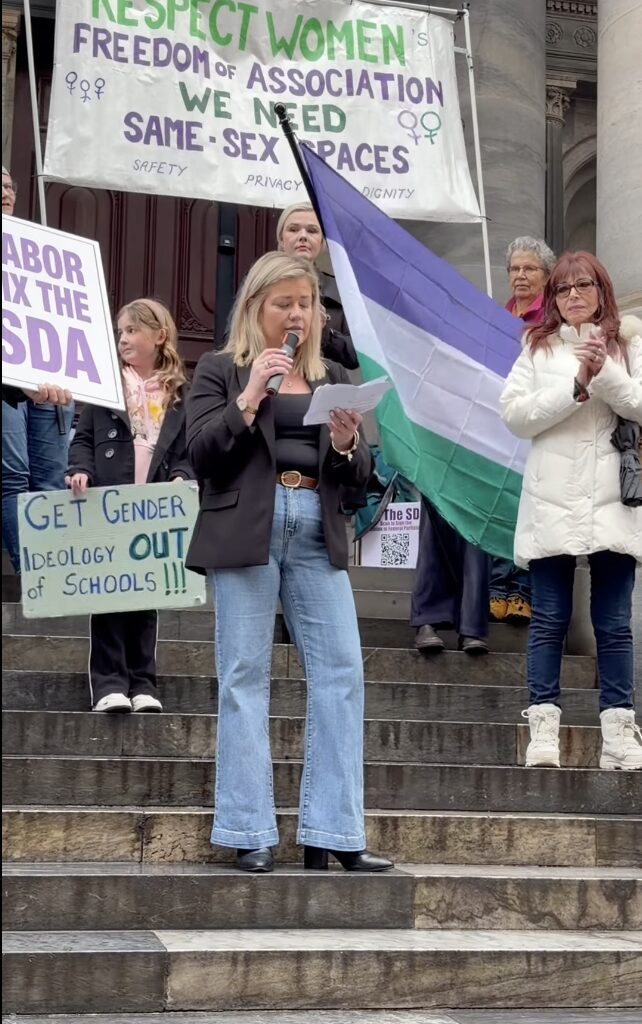
Speaking as both a mother and advocate, she expressed frustration that parents and girls increasingly feel unable to voice concerns without being labelled intolerant.
“I’m angry that mothers are being told to stay quiet. I’m angry that fathers are being told their concerns do not matter. And I’m angry that girls are expected to be understanding, accommodating and silent while their own rights, privacy and dignity are pushed aside.”
She questioned why girls seeking privacy and fairness should be portrayed negatively.
“Girls are not being difficult for wanting privacy. Girls are not being hateful for wanting safety. And girls are not being discriminatory for wanting female-only spaces.”
Jones argued that sex remains relevant in schools, bathrooms, change rooms and sport, and that respecting everyone should not require girls to surrender their own rights.
She concluded with a message directed to girls across South Australia.
“I want every girl in South Australia to know that she matters. Her body matters. Her privacy matters. Her safety matters. And her voice matters as well. And if the law no longer clearly protects that, then the law must be fixed.”
Her speech received one of the strongest responses of the morning.
A Broad Coalition of Voices
The Adelaide rally brought together speakers from a wide range of backgrounds, including parliamentarians, women’s rights advocates, parents, lesbian representatives and community campaigners.
Although each speaker approached the issue from a different perspective, several common themes emerged throughout the morning. Speakers emphasised the importance of recognising biological sex in law, protecting female-only spaces, safeguarding children, supporting parents who raise concerns, defending freedom of association, and ensuring fairness in women’s sport.
Representatives from the Liberal Party, Family First, One Nation and Centre Alliance addressed the crowd alongside community advocates, reflecting broad support for restoring sex-based protections under the Sex Discrimination Act.
Collectively, the speeches reinforced the rally’s central message: that women and girls should have clear legal protections based on biological sex, and that respectful public discussion is essential as Australia continues to debate these issues.
A Campaign Continuing Across Australia
The Adelaide rally marked another milestone in the growing national “Fix the Sex Discrimination Act” campaign.
In recent weeks, events have been held across Australia, along with a community outreach event in Perth. Together, these initiatives have sought to raise public awareness and encourage the Federal Government to restore explicit legal protections for women and girls on the basis of sex.
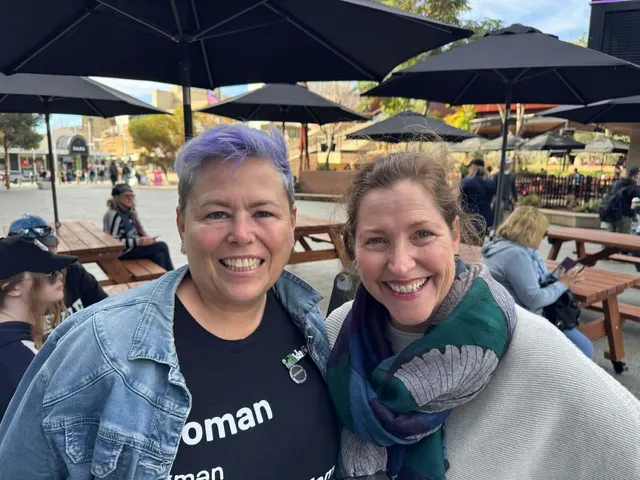
In Perth, a small but determined group of women’s rights advocates gathered at Yagan Square, joined by former Western Australian Legislative Council member Sophia Moermond. The outreach event focused on engaging with members of the public, distributing information, answering questions and encouraging respectful conversations about the campaign’s objectives.
Whether through large public rallies or smaller community outreach events, organisers say every conversation helps build momentum for reform. As the campaign continues, they will keep urging the Australian Government to amend the Sex Discrimination Act 1984 so that women and girls are once again explicitly protected on the basis of sex.
Photo Gallery
Sharing some wonderful photos from the Adelaide rally, kindly taken and shared by women’s rights advocates. We don’t own these images — all credit belongs to the talented women who documented the day. Your work helps amplify our fight for women’s rights.