
A recent article in The Australian highlighted growing debate over the language used in women’s healthcare and medical institutions across Australia. The article focused on a seminar hosted by UNSW Sydney senior research fellow Kerryn Drysdale — whose academic background includes a thesis on drag culture — titled “Reimagining Menopause for Trans and Gender Diverse People.”
She argues that menopause has historically been framed as something that affects “cisgender women in midlife,” and insists it must now be made “relevant” for trans and gender-diverse people beyond “clinical norms alone.”
Women across Australia reacted with fury. Comments under the story captured the anger and exhaustion many feel: “How insulting do they want to be?” “We fought hard for our rights and now they’re being dismantled.” “Only women bleed.”
These are not fringe views. They reflect a growing recognition that redefining female-specific conditions like menopause as “gender diverse” is not progressive — it is the systematic dehumanisation of women.
This is already happening in Tasmania
This is no longer confined to university seminars. In Tasmania, the Department of Health has already adopted the same language in official patient information and public campaigns.
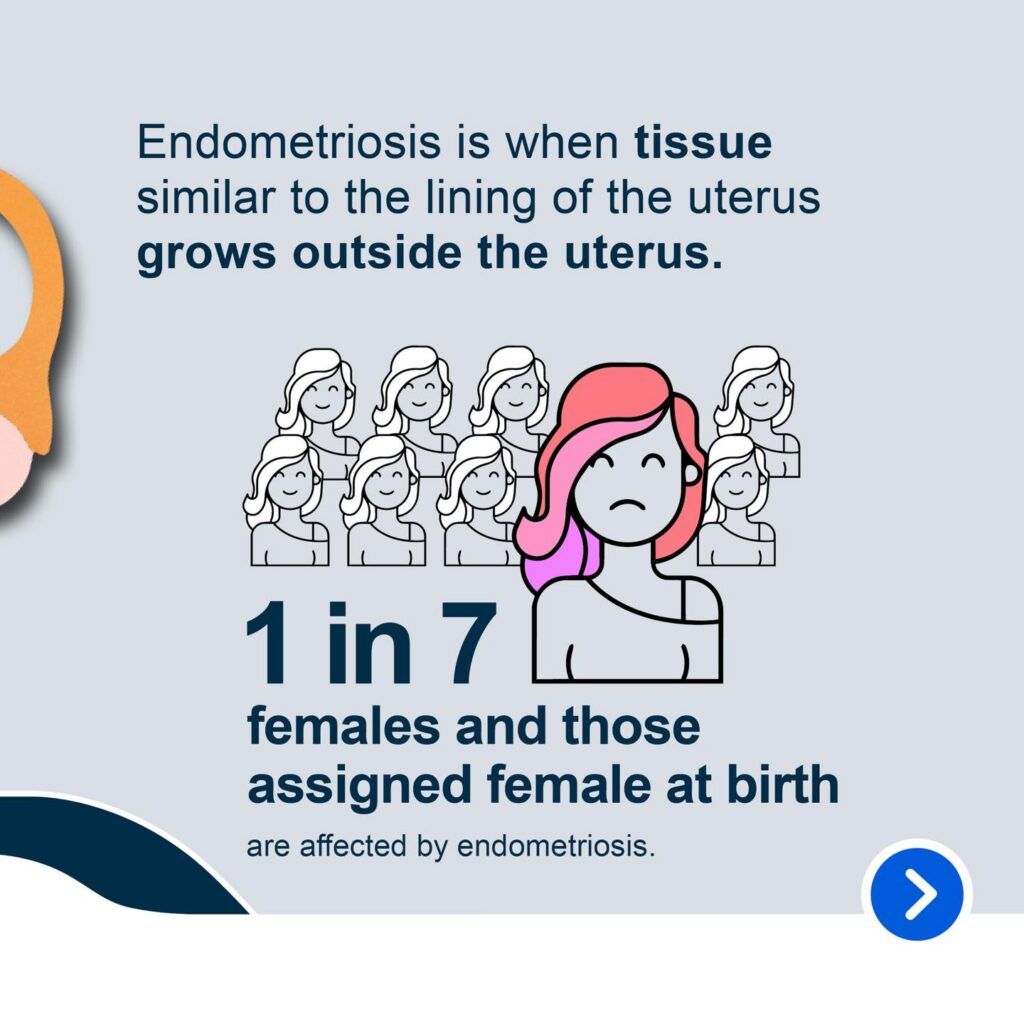
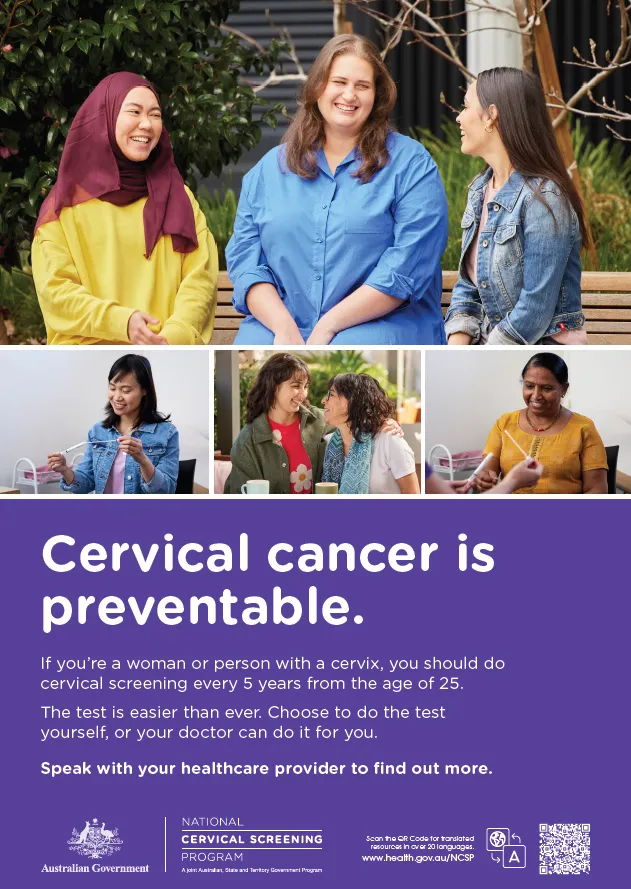
During the Department’s endometriosis awareness campaign, the messaging reads: ‘1 in 7 females and those assigned female at birth are affected by endometriosis’ rather than simply women and girls. Cervical screening campaigns have also used phrases such as “people with a cervix” alongside or instead of the word “women.”
Supporters of this language argue it is intended to ensure transgender and non-binary patients feel included in healthcare messaging and are not discouraged from accessing screening or treatment.
Critics, however, argue that this terminology can be confusing, depersonalising, and unnecessarily ideological in contexts involving sex-specific conditions.
This is not harmless language
Sex is determined at conception by chromosomes and is observed — not “assigned” — at birth. Endometriosis, cervical cancer, pregnancy, menstruation and menopause are biological realities rooted in the female reproductive system.
They affect females.
Pretending otherwise does not make these conditions magically appear in males; it simply makes it harder for actual women and girls to access accurate information, timely diagnosis and appropriate care.
Women are feeling the impact
Women attending Tasmanian health services report feeling invisible, unsafe and erased. Many tell us they hesitate to raise concerns in consultations for fear of being labelled “difficult,” “transphobic” or “bigoted,” with the very real risk that their appointments could be cancelled or their care compromised.
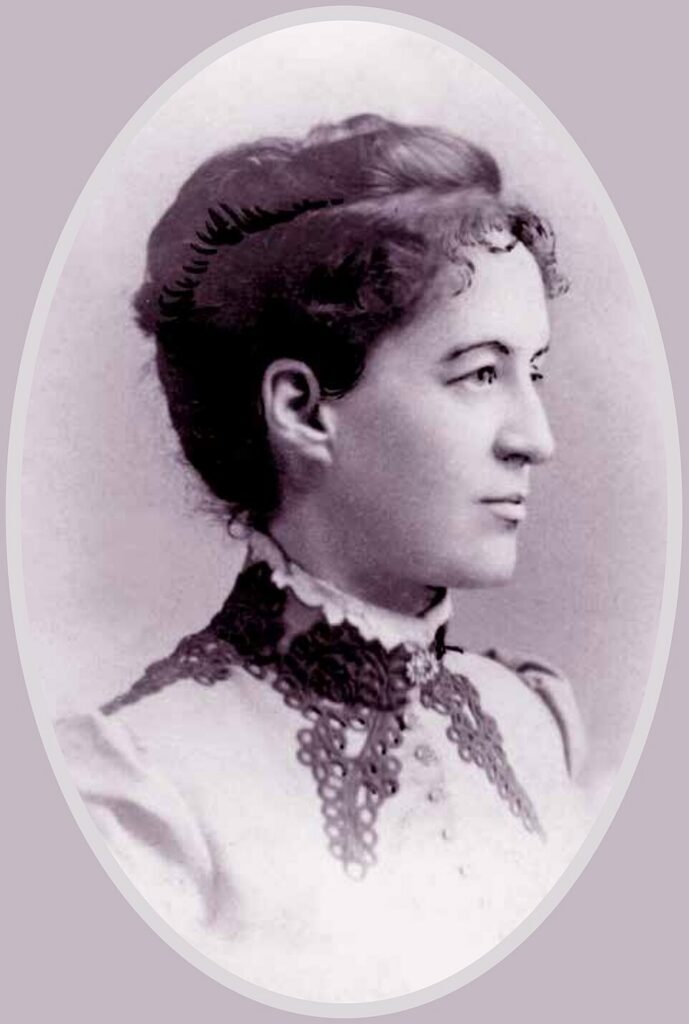
This tension has become particularly noticeable alongside official celebrations of women’s history and achievements. Earlier this year, Tasmanian Department of Health marked International Women’s Day by highlighting its commitment to “equal rights, justice and empowerment for all women and girls,” including recognition of Emma Constance Stone, Australia’s first registered female medical practitioner.
For some women, there is an apparent contradiction between celebrating the historical struggle for recognition of women in medicine while simultaneously moving away from consistent sex-based language in parts of the healthcare system. They argue that words such as “woman” and “female” remain important in medical communication because they refer to biological realities that continue to shape women’s healthcare experiences and outcomes.
A growing national pattern
This is not unique to Tasmania. National cervical screening policy has shifted toward phrases like “women and people with a cervix” or simply “people with a cervix.” Similar language now appears in endometriosis awareness campaigns and maternity services across the country.
The pattern is clear: female bodies are being linguistically disappeared so that males who identify as women (or non-binary people who retain female reproductive organs) can be centred in women’s health spaces. The result is confusion for patients, distorted research data, and diluted advocacy for the sex-based conditions that still kill and disable women at far higher rates than any other group.
Women deserve better
The Department of Health must immediately abandon this ideological capture and return to accurate, biology-based medical language. Endometriosis affects females. Cervical screening is for females. Menopause is a female experience. Call women what they are — women. Stop the pretence that sex is “assigned” or optional. Acknowledge that women constitute a sex class with distinct health needs that cannot be wished away by redefinition.
Proper medical language is not bigotry; it is the foundation of safe, effective healthcare. Women fought for decades to be seen, named and treated as the biological reality we are. We will not surrender that hard-won ground to academics chasing the latest trend or bureaucrats terrified of being called out on social media.
The Department of Health claims to celebrate women like Dr Emma Constance Stone. The truest way to honour her legacy — and the legacy of every woman who battled for medical equality — is to stop erasing the sex she belonged to.
Biology is not bigotry.