
For years, Australians were told that medical gender transition for children was “settled science.” Puberty blockers and cross-sex hormones were described as safe, reversible, and necessary to prevent harm. Parents who hesitated were often reassured — or pressured — that delaying treatment placed their child at risk.
Then Queensland happened.
What began as a local clinical concern at one regional service has now triggered nationwide scrutiny, an independent psychiatric review, and the most significant policy shift in Australia regarding medical treatment for gender-distressed minors.
This is the story of how it unfolded.
The Cairns Gender Service
The controversy began at the Cairns Sexual Health Service, part of the Cairns and Hinterland Hospital and Health Service. The clinic had been treating children presenting with gender distress since approximately 2008.
However, unlike other areas of paediatric medicine, the service operated without a clear statewide model of care. According to the later independent review, children were sometimes placed on a medical pathway after limited psychological assessment and without consistent multidisciplinary oversight.
By 2024, internal concerns were emerging. Clinicians raised questions about diagnostic processes, documentation, and whether some young patients’ mental health conditions were being properly assessed before medical treatment was commenced.
The issue escalated after a case involving a 12-year-old child who had been prescribed puberty blockers without adequate clinical assessment or follow-up monitoring, including basic measures such as blood tests and bone-density checks.
The problem was no longer theoretical. It was a patient-safety issue.
The Government Pause
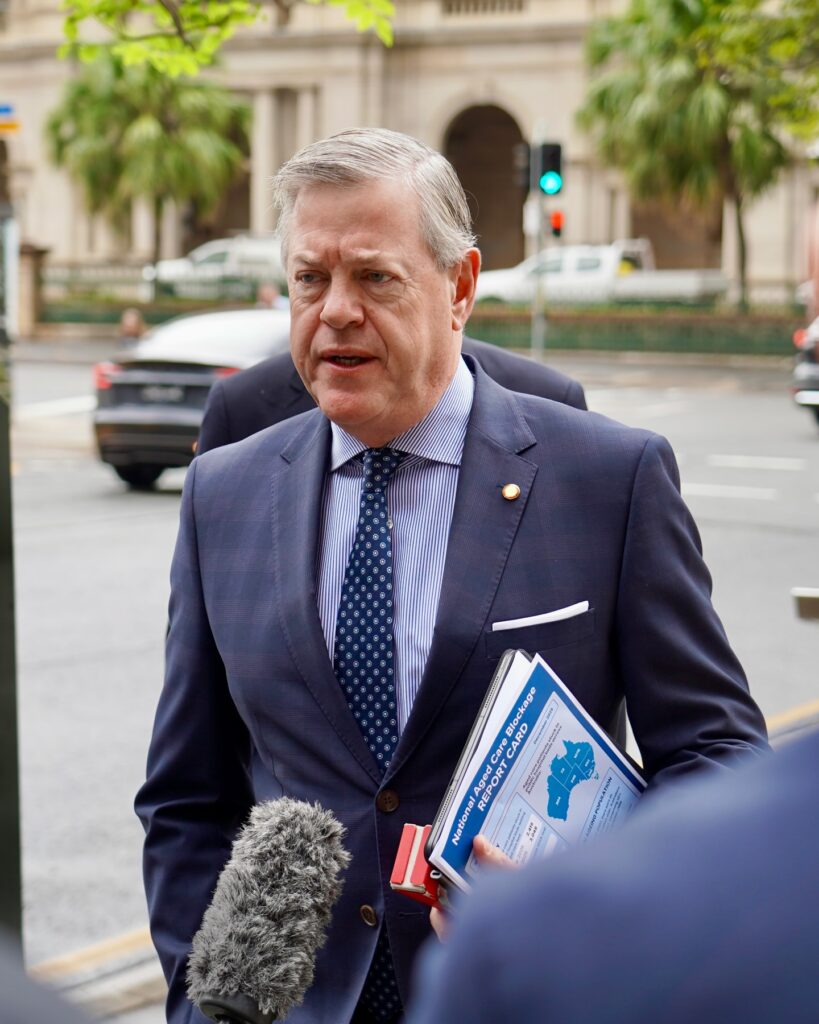
On 28 January 2025, Queensland Health Minister Tim Nicholls announced an immediate statewide pause on new prescriptions of puberty blockers and cross-sex hormones for minors in the public health system.
Existing patients were allowed to continue treatment, but new initiations stopped while an investigation took place.
A preliminary clinical audit of the Cairns service identified:
• incomplete patient notes
• inconsistent consent processes
• rapid progression to medical treatment
• lack of multidisciplinary review
• inadequate monitoring of side effects
The government commissioned an independent investigation led by Professor Ruth Vine, former Chief Psychiatrist of Victoria, to examine both the Cairns service and the broader evidence base for paediatric gender transition.
The Vine Review
Released in December 2025, the 200-plus-page review became one of the most important medical policy documents in recent Australian health history.
Its findings were significant.
The report concluded the scientific evidence supporting puberty blockers and hormonal treatment for gender-distressed minors was limited and low-quality. Most studies were short-term, observational, and unable to determine long-term outcomes such as fertility, psychological wellbeing, or regret.
While some patients reported short-term relief of distress, the review found substantial unknowns, including:
• long-term bone health
• neurological development
• fertility impacts
• persistence of dysphoria into adulthood
• mental health outcomes over time
Importantly, the review did not endorse a blanket ban. Instead, it recommended a far more cautious and tightly governed clinical model.
However, it also confirmed something many families had long suspected: the evidence base behind paediatric medical transition was far weaker than the public had been led to believe.
The Government’s Decision
After considering the review, the Queensland Government chose a precautionary approach.
In December 2025, it extended the pause on new treatments for minors — not for months, but potentially until 2031, pending results of a clinical trial in the United Kingdom designed to properly test puberty blockers.
The government’s reasoning was straightforward: when the long-term safety of an intervention affecting fertility, sexual development, and brain maturation remains uncertain, caution is warranted.
The decision marked the first time an Australian state government had restricted medical transition for minors on evidence-based medical grounds.
A National Ripple Effect
The impact was immediate.
Within days, the Northern Territory introduced a similar policy restricting publicly funded puberty blockers and cross-sex hormones for under-18s.

Across Australia, health authorities began reviewing clinical protocols. Professional bodies, regulators, and researchers started reassessing earlier assumptions about the treatment model.
What had been framed as a settled issue suddenly became an open medical debate.
Why This Matters
This development is not about rejecting compassion for distressed young people. Every child experiencing psychological distress deserves care, support, and understanding.
The question raised by Queensland is a different one:
Should experimental or poorly evidenced medical interventions be used on children whose bodies and identities are still developing?
For many families, the controversy exposed a troubling gap between public messaging and medical uncertainty. Parents were often told treatments were safe and reversible, yet the review found long-term outcomes largely unknown.
Trust in institutions depends on transparency. When medicine moves faster than evidence, confidence erodes.