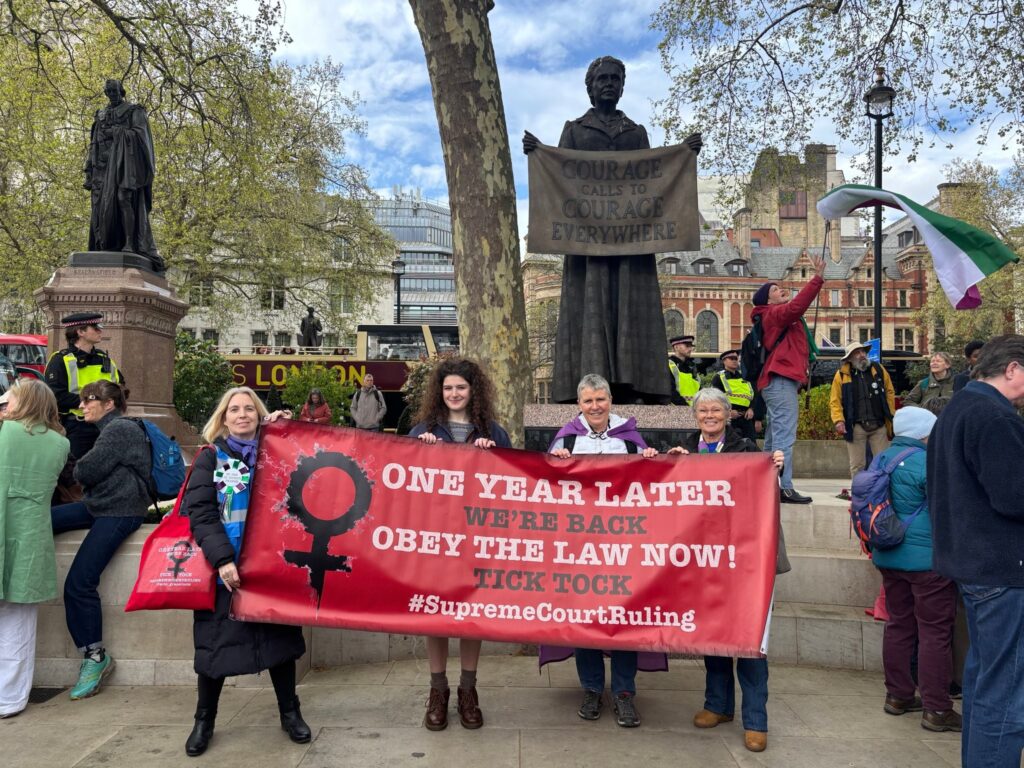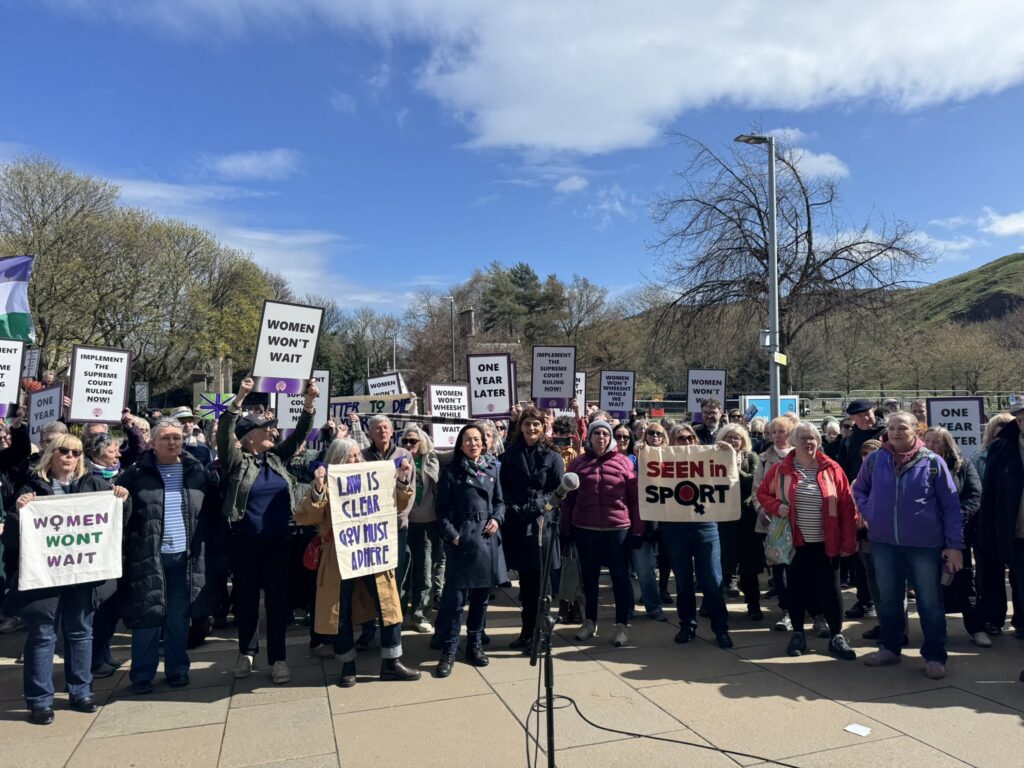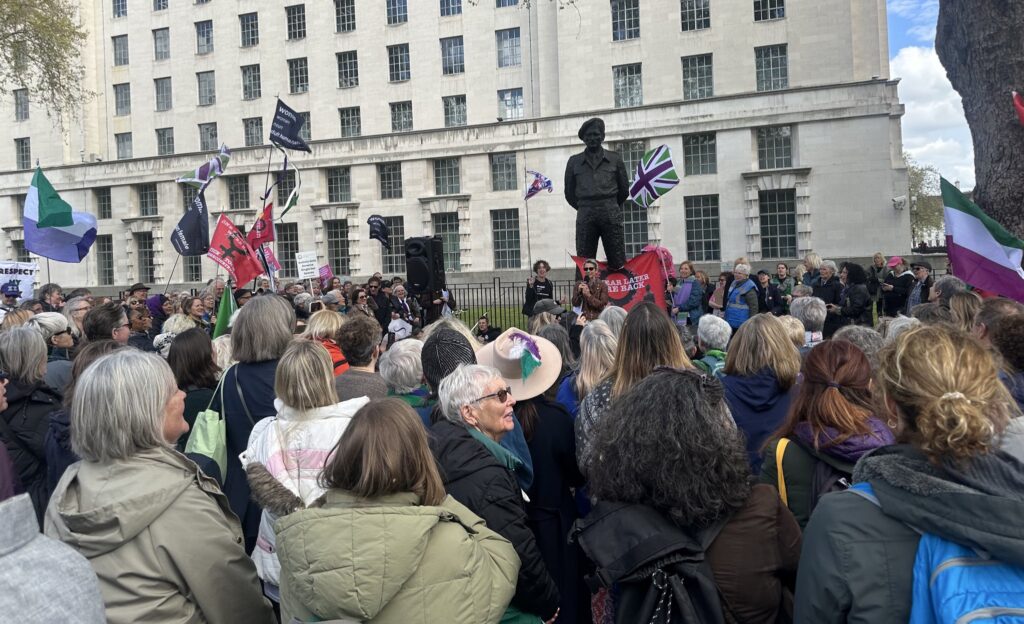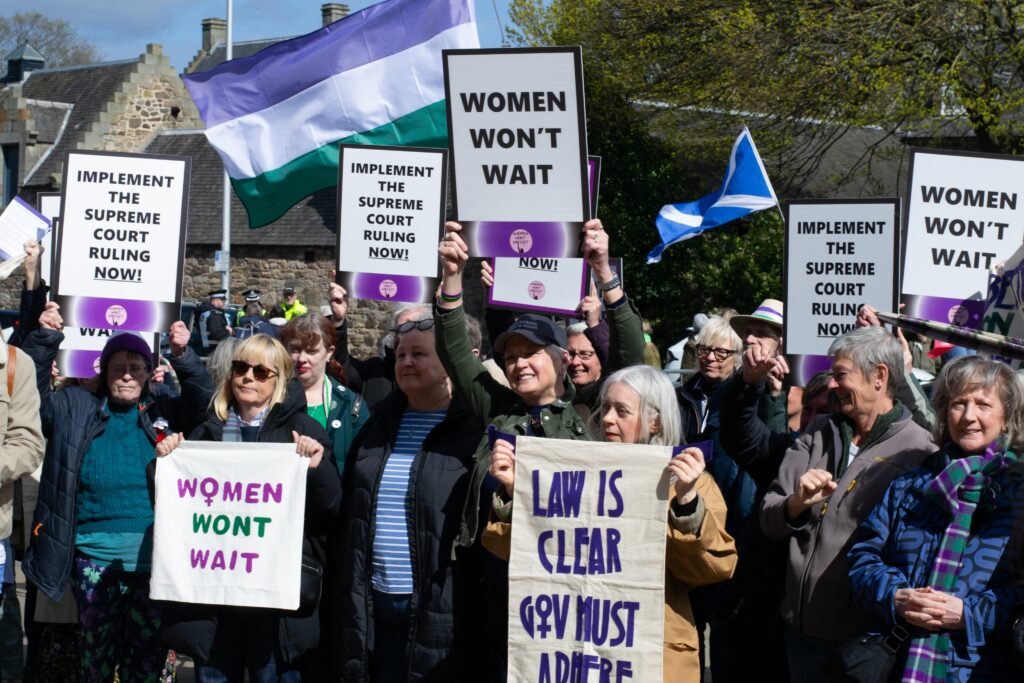
On Saturday 11 April 2026, women and men gathered in multiple cities for the #OneYearLater International Day of Action. Under the banner “ONE YEAR LATER — WE’RE BACK. OBEY THE LAW NOW! TICK TOCK”, they asked a simple question: “How can our government just continue to break the law?”
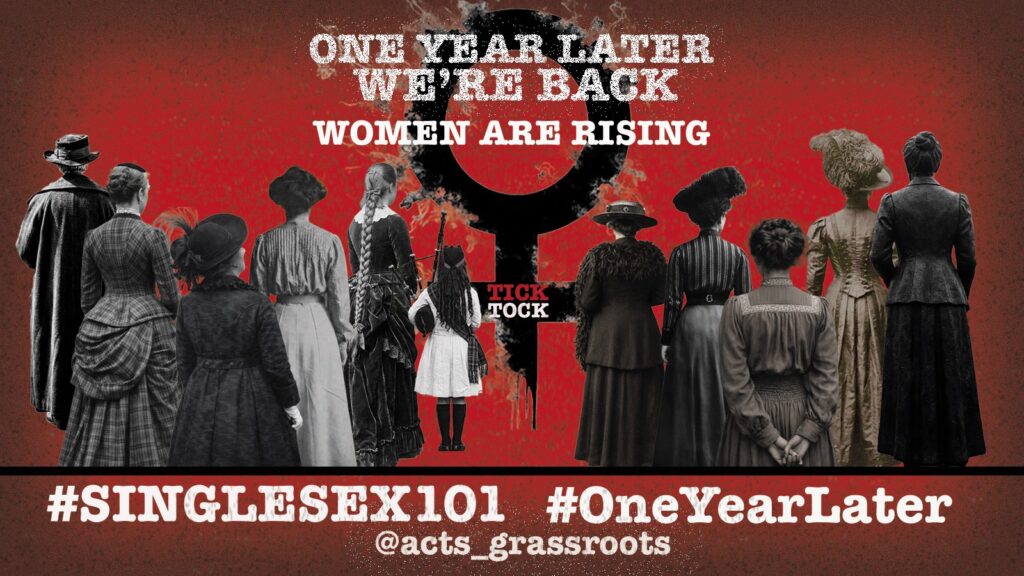
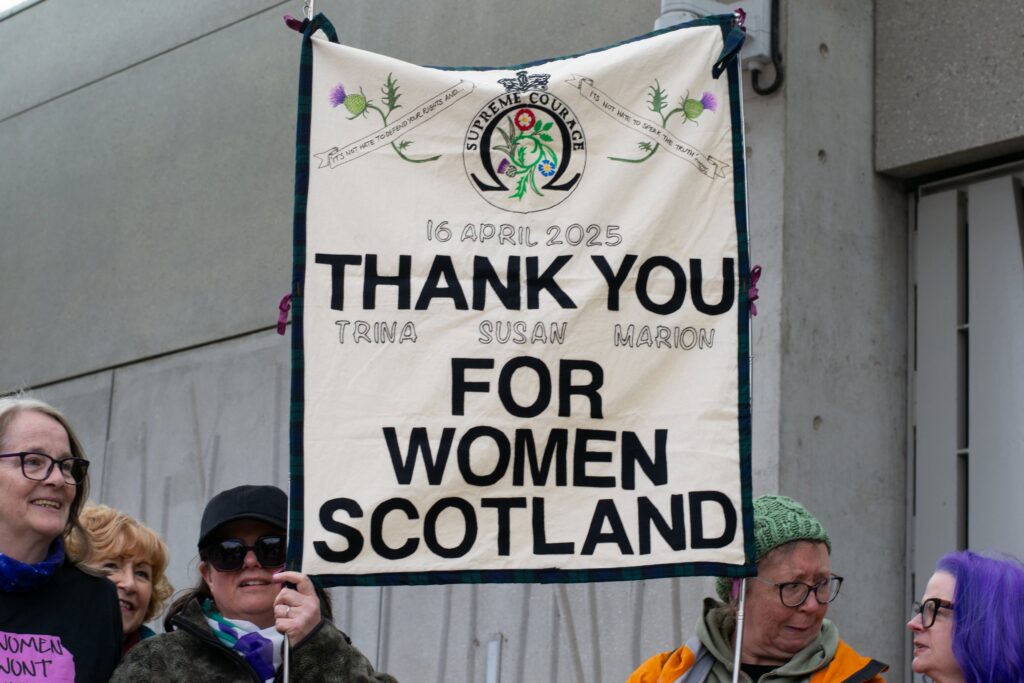
Exactly one year after the UK Supreme Court’s landmark ruling on 16 April 2025 in For Women Scotland Ltd v The Scottish Ministers, the message was clear: the law on biological sex is settled — now enforce it.
The Supreme Court Ruling
The unanimous judgment confirmed that in the Equality Act 2010, the protected characteristic of “sex” means biological sex (a person’s sex as recorded at birth). “Woman” means adult human female. A Gender Recognition Certificate does not change legal sex for the purposes of the Act. This protects single-sex spaces, services, sports, and opportunities for women and girls.
Why the Protests? The Law Is Still Being Ignored
Despite the clear ruling, politicians and institutions across the UK continue to defy it. The ongoing reality is:
- Men who say they are women still housed in women’s prisons.
- Schools operating illegally, providing only mixed-sex toilets.
- Female NHS nurses still being forced to undress in the same changing rooms as men.
- NHS trusts that cannot guarantee same-sex intimate care for women.
- Men competing in sports categories meant for women.
- Female rape crisis centres allowing men to use women-only services.
- Charities and associations for women allowing men to benefit from grants and donations meant for women.
- Council-run leisure centres allowing men to undress and shower in women’s and girls’ changing rooms.
The grassroots group @acts_grassroots organised the day of action to demand full implementation of the Supreme Court ruling — without further delay — across all government departments, institutions, councils, services and policies.
Where It Happened
Protests took place simultaneously at 1pm BST in: London, Manchester, Edinburgh, Cardiff, Plymouth, Sunderland, Belfast, Vienna, Berlin, Düsseldorf, Paris.
Speakers and Political Accountability
Notable speakers at the #OneYearLater protests included:
- Maya Forstater (Sex Matters) in London
- Dr Emma Hilton (Sex Matters) and Denise Fahmy (Freedom in the Arts) in Manchester
- Joanna Cherry KC and Nicole Jones in Edinburgh
- Fiona McAnena (Sex Matters), Marianne Buchanan Stewart (Women’s Rights Network NI), and Sorcha Nic Lochlainn (The Countess) in Belfast
- Sarah Philimore and Sonya Douglas in Cardiff
In Sunderland / Houghton-le-Spring (in the constituency of Education Secretary Bridget Phillipson), speakers included Leigh Taylor (Conservative Women), Sally Wainwright (Lesbian Resistance), and Simon Calvert (Deputy Director at The Christian Institute). An open invitation was extended to Bridget Phillipson to attend and explain why the Supreme Court ruling is still not being implemented. She did not respond to the invitation.
The Broader Message
The protests were peaceful but determined. They showed that women will not stop demanding that biology is recognised in law and policy.
Mainstream coverage was limited, but the energy on the ground — and the small counter-protests in places like York — made clear that this issue is not going away.
What This Means for Australia and Tasmania
While the UK ruling does not directly apply here, the principles are universal. In Australia we have seen similar battles (including the Tickle v Giggle case). Women everywhere deserve safety, privacy, and fairness based on biological sex — in prisons, shelters, sports, hospitals, and changing rooms.
Women Speak Tasmania stands in solidarity with our UK sisters. The law — where it recognises biological reality — must be upheld, not ignored.
The law is clear. The time for waiting is over. Tick tock.
Photo Gallery
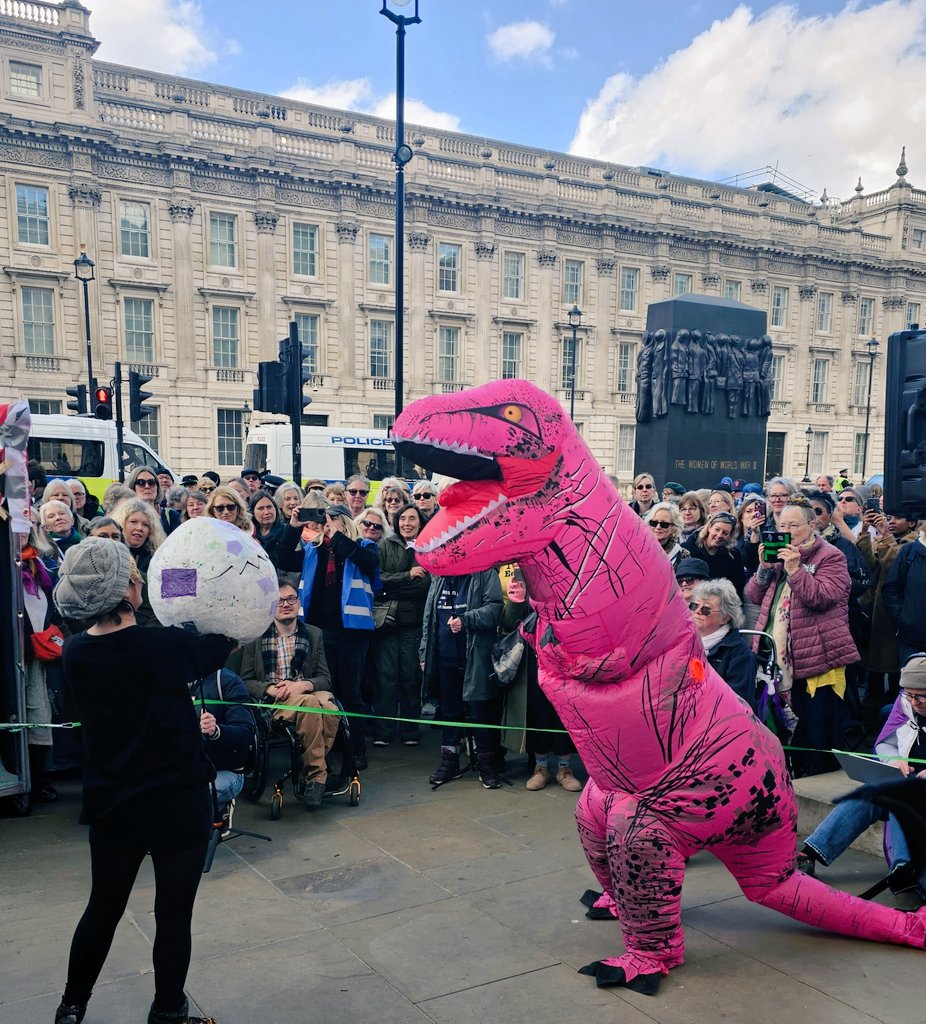
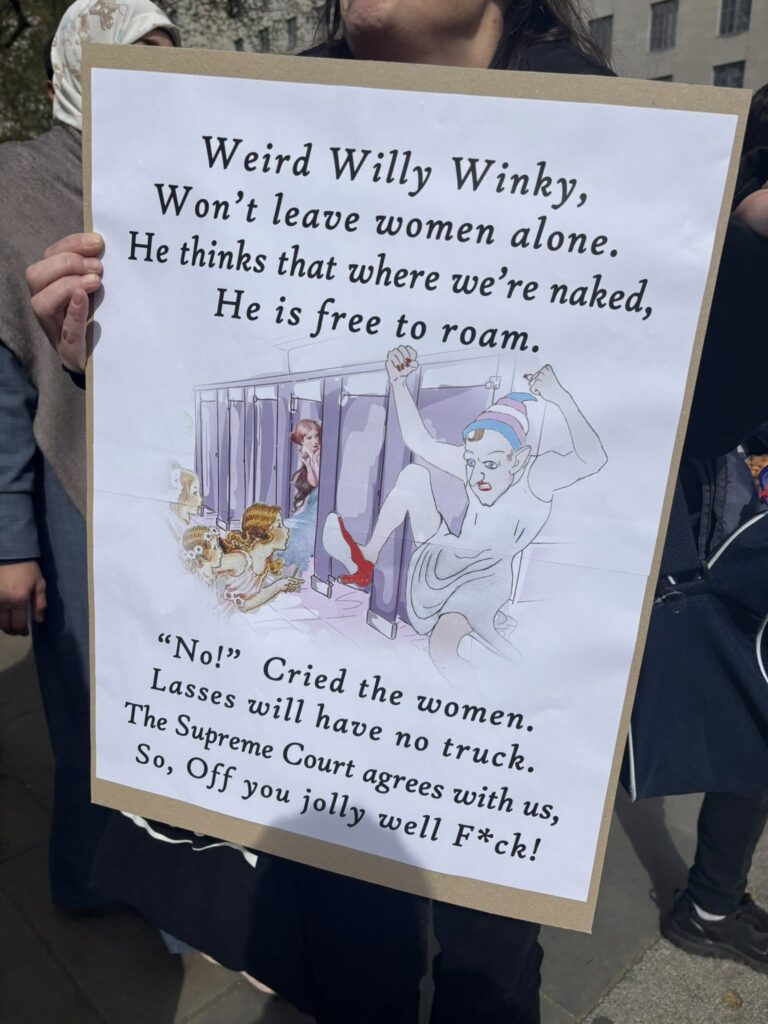
Some great photos from the march, taken by amazing women in the UK and shared from X, to highlight the ongoing fight for women’s rights.